Are you experiencing pain, bleeding, or discomfort around your anal area, but you are not sure what is wrong? You are not alone. Millions of people in India suffer from anorectal conditions every year, yet most confuse piles (hemorrhoids), anal fissure, and anal fistula with each other. These three conditions may seem similar, but they differ significantly in their causes, symptoms, and treatments. Understanding the difference is the first step toward the right treatment and lasting relief.
In this blog, we break down each condition in simple language so you know exactly what you are dealing with and what to do next.
Piles, medically known as hemorrhoids, are swollen veins located in and around the rectum and anus. They are one of the most common digestive health problems in India, affecting both men and women, especially those aged 30 and above.
Piles are classified into four grades depending on severity. Grade 1 and 2 piles can often be managed with plant-based medicines and lifestyle changes, while Grade 3 and 4 may require more advanced treatment.
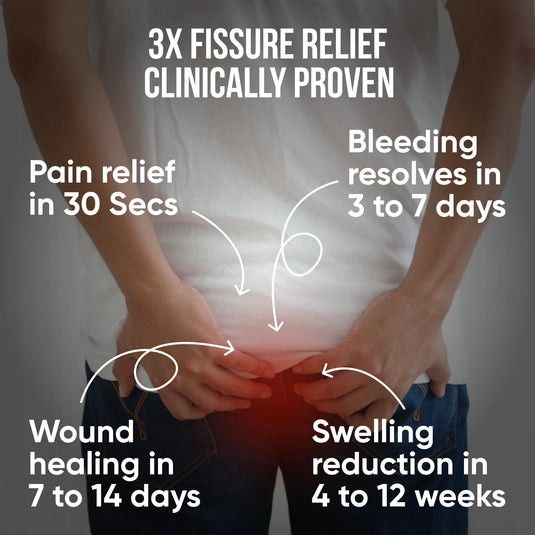
An anal fissure is a small tear or cut in the anal canal lining. It is one of the most painful anorectal conditions and is often mistaken for piles due to similar symptoms like bleeding. However, a fissure pain pattern is very different.
Anal fissures are classified as acute (recent) or chronic (lasting more than 6-8 weeks). Chronic fissures are harder to treat and may involve a skin tag or internal sphincter spasm.
An anal fistula is an abnormal tunnel or tract that forms between the inside of the anal canal and the skin around the anus. It usually develops after an anal abscess (a painful, pus-filled infection) that has not healed properly. Fistulas are among the most complex anorectal conditions and often require specialised treatment.
Key Feature: Piles | Anal Fissure | Anal Fistula
Main Symptoms: Bleeding, itching, lump | Severe pain + bleeding | Plus discharge + pain
Pain Level: Mild to moderate | Severe (during/after stooling) | Moderate to severe
Bleeding: Bright red, common | Bright red, on stool surface | May be present with pus
Visible Signs: Lump near anus | Tear/crack near anus | Opening/hole near anus
Common Cause: Constipation, straining | Hard stools, constipation | Anal abscess, IBD
Treatment: Medicines, lifestyle change | Topical creams, fibre, surgery if chronic | Surgery or plant-based kits.
Once you have identified your condition, the next step is choosing the right treatment. Here is what works best for each.
Traditional allopathic treatments for piles, fissures, and fistulas often involve surgery, topical steroids, or chemical-based medicines that come with side effects. Plant-based innovations are changing this landscape.
Healing Hands offers India’s first patented, plant-based treatment kits for piles, fissures, and fistulas, trusted by over 1 million customers across India. These kits are designed to address the root cause of the problem using natural healing ingredients, without the need for invasive surgery in early- to moderate-stage cases.
Piles, anal fissures, and anal fistulas are all treatable conditions, but only if you identify them correctly and act at the right time. Ignoring symptoms like rectal bleeding, anal pain, or discharge near the anus can worsen the condition over time.
If you have been dealing with any of these symptoms, start by making simple lifestyle changes to increase your fibre intake, stay hydrated, and avoid straining. For targeted relief, explore plant-based treatment kits for piles, fissures, and fistulas, without surgery.
Piles are swollen veins inside or around the anus that cause bleeding and itching. A fissure is a painful tear in the anal lining, while a fistula is an abnormal tunnel between the anal canal and the outer skin that causes pus discharge.
If you have painless, bright red bleeding with a lump near the anus, it is likely piles. If you do experience severe, sharp pain during and after passing stools along with bleeding, it is most likely an anal fissure.
No, piles do not directly turn into a fistula. A fistula usually develops from an untreated anal abscess (pus-filled infection), not from hemorrhoids. However, both conditions can occur together in the same person.
Rectal bleeding is a common symptom of piles, but it can also indicate a fissure, a fistula, or other digestive conditions. Bright red blood on toilet paper usually points to piles or fissures, but you should always consult a doctor for a proper diagnosis.
Yes, early to moderate piles and fissures can be treated without surgery using plant-based treatment kits, dietary changes, and lifestyle improvements. Fistulas may require surgery in complex cases, but plant-based options can reduce inflammation and support healing.
Avoid spicy, processed, and alcohol-containing foods, as well as low-fibre meals, as they worsen constipation and increase strain during bowel movements. Include high-fibre foods like fruits, vegetables, and whole grains to soften stools and reduce symptoms.
An acute anal fissure can heal within 4 to 8 weeks with proper care, including a high-fibre diet, hydration, and topical plant-based treatment. Chronic fissures lasting 6–8 weeks or more may require medical intervention for complete healing.
Healing Hands offers India’s first patented plant-based PiloKit, trusted by over 1 million customers for effective pile relief without surgery. Along with the kit, lifestyle changes like increased fibre intake and avoiding straining are essential for lasting results.

© 2025 Crivva - Hosted by Airy Hosting Managed Website Hosting.