

In today’s fast-paced lifestyle, health issues related to the heart and blood vessels are becoming increasingly common. While most people are aware of heart attacks and strokes, fewer understand a condition called Peripheral Arterial Disease (PAD). Despite being less talked about, PAD is a serious health concern that can significantly impact your quality of life if ignored.
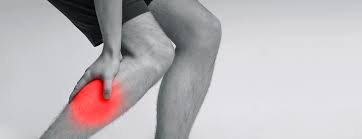
Imagine feeling pain in your legs just by walking a short distance or noticing wounds on your feet that refuse to heal. These are not just minor inconveniences—they could be warning signs of a deeper vascular problem. That’s why understanding PAD is not just important but essential.
If you want a detailed medical overview, you can also explore this resource on Peripheral Arterial Disease (PAD).
In this article, we’ll walk you through everything you need to know about PAD in a simple, human-friendly way so you can take control of your health before it’s too late.
Peripheral Arterial Disease (PAD) is a condition in which the arteries that supply blood to your limbs—especially the legs—become narrowed or blocked. This happens due to the buildup of fatty deposits, also known as plaque, in the artery walls.
As the arteries narrow, less blood reaches your muscles and tissues. This reduced blood flow can lead to pain, discomfort, and in severe cases, tissue damage.
PAD is often considered a warning sign of widespread atherosclerosis, meaning it can also indicate problems in other parts of the body, including the heart and brain.
To effectively manage PAD, it’s important to understand what causes it. While plaque buildup is the primary reason, several underlying factors contribute to this process.
Additionally, genetics and aging also play a role. People above the age of 50 are at a higher risk, especially if they have other health conditions.
One of the tricky aspects of PAD is that its symptoms often develop slowly. Many people ignore them, assuming it’s just fatigue or muscle strain.
As the disease progresses, symptoms may become more severe. In advanced cases, you may experience pain even while resting, which requires immediate medical attention.
Early diagnosis of PAD can make a life-changing difference. When detected in its initial stages, the condition can be managed effectively with lifestyle changes and medication.
However, if ignored, PAD can lead to serious complications such as:
Therefore, paying attention to early warning signs and consulting a doctor promptly is extremely important.
Doctors use a combination of physical examinations and tests to diagnose PAD.
These tests are generally painless and help determine the severity of the condition.
The treatment of PAD focuses on improving blood flow, reducing symptoms, and preventing complications.
This is the foundation of PAD treatment.
Doctors may prescribe medicines to:
For moderate cases:
In severe cases:
Exercise plays a powerful role in managing PAD, especially walking.
Doctors often recommend supervised exercise programs where patients gradually increase their walking duration.
Your diet directly impacts your blood vessels. Making the right food choices can help slow down the progression of PAD.
A healthy diet not only helps manage PAD but also improves overall heart health.
Prevention is always better than cure. The good news is that PAD is largely preventable.
Even small changes in your daily routine can make a big difference in the long run.
Certain individuals are more likely to develop PAD.
If you fall into any of these categories, it’s important to be extra cautious and undergo regular screenings.
Ignoring PAD can lead to life-threatening complications.
These complications highlight the importance of early intervention and proper management.
Living with PAD doesn’t mean giving up on an active life. With the right approach, you can manage symptoms effectively.
Consistency and discipline are key to improving your condition.
Peripheral Arterial Disease (PAD) is a serious condition, but it is manageable with the right knowledge and timely action. From recognizing early symptoms to adopting a healthier lifestyle, every step you take can help you stay ahead of the disease.
The most important thing is not to ignore the signs your body gives you. Early diagnosis, proper treatment, and consistent care can significantly improve your quality of life and prevent severe complications.
Take control of your health today—because prevention and awareness are your strongest weapons against PAD.

© 2025 Crivva - Hosted by Airy Hosting Managed Website Hosting.