

Renovating a home or apartment in New York City is exciting, but older buildings may hold hidden risks that many property owners overlook—lead-based paint. Buildings constructed before 1978 often contain layers of lead paint that, when disturbed during renovations, can release toxic dust and particles.
For homeowners, landlords, and contractors, conducting a lead test NYC before renovation isn’t just a precaution—it’s essential for health, safety, and legal compliance. This guide explores why lead testing is critical, how inspections work, and what property owners should do to protect themselves and their tenants.
Lead exposure is particularly dangerous for children, pregnant women, and pets. Even small amounts of lead dust can cause significant health problems, including developmental delays, learning difficulties, and neurological damage.
In NYC, thousands of residential and commercial buildings were built before the 1978 lead paint ban. While intact paint may seem safe, renovation activities such as sanding, drilling, demolition, or repainting can release lead particles into the air. That’s why professional NYC lead testing is vital before beginning any construction or remodeling project.
Removing or sanding old paint
Window or door replacement
Wall or ceiling demolition
Plumbing or electrical upgrades
Floor refinishing or trim replacement
Without professional lead inspection NYC services, these activities can expose occupants to lead and create long-term safety and legal issues.
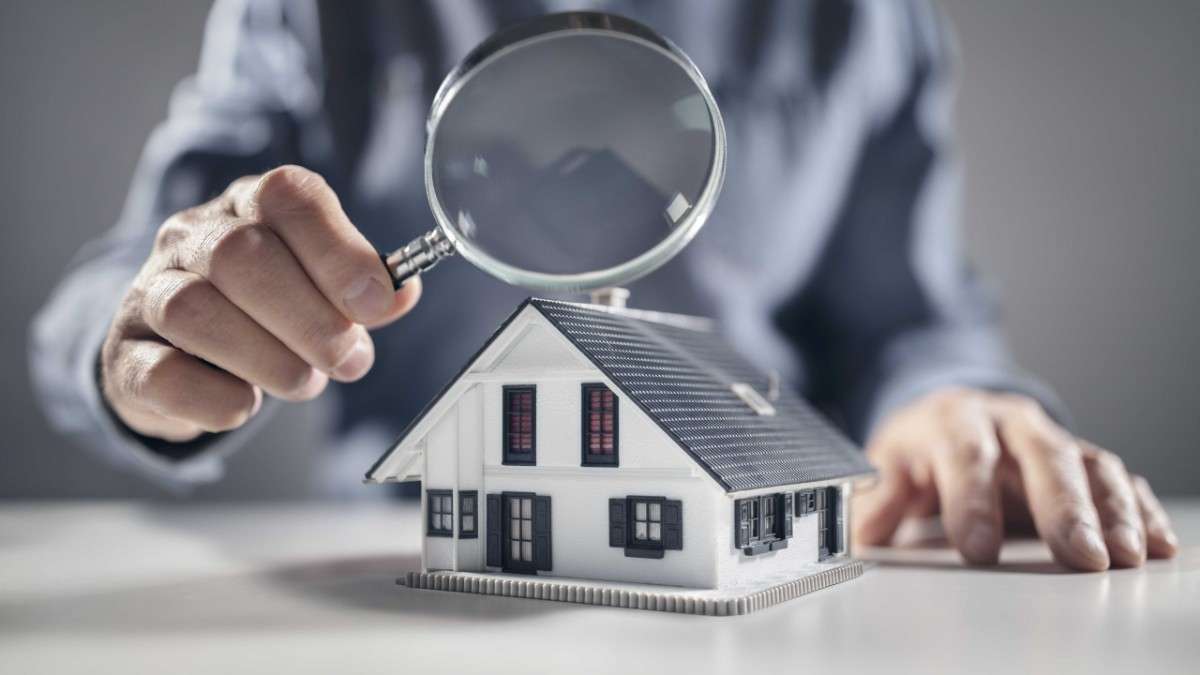
A lead test NYC involves a detailed assessment of a property to detect lead-based paint and other lead hazards. Professionals use certified methods to ensure accurate and legally defensible results.
Visual inspection – Identify peeling, chipping, or deteriorated paint
XRF testing or chemical swabs – Measure lead content in paint layers
Dust wipe sampling – Detect lead particles on floors, window sills, and other surfaces
Detailed reporting – Document findings and highlight areas that pose a hazard
Professional lead hazard testing NYC ensures accurate results and provides actionable recommendations to manage and remediate risks safely.
Lead hazards can exist in almost any building built before 1978. Key groups who should prioritize lead test NYC include:
Homeowners planning renovations
Landlords managing rental units
Property managers of multi-unit buildings
Parents or caregivers of young children
Engaging professional NYC lead testing services early in the renovation process prevents exposure and ensures compliance with local and federal regulations.
Renovation work is one of the most common causes of lead exposure. When lead-based paint is disturbed, dust and debris can contaminate air, surfaces, and even soil.
Developmental delays in children
Behavioral issues and learning difficulties
Neurological damage
Increased health risks during pregnancy
Professional lead inspection NYC services minimize these risks, ensuring that property renovations do not compromise occupant health.
New York City has strict regulations around lead safety. Local laws and federal EPA rules require property owners to identify and mitigate lead hazards, especially in buildings where children may reside.
Failing to conduct a lead test NYC before renovation can result in:
Fines and penalties
Work stoppages
Mandatory remediation
Legal liability if exposure occurs
Conducting a lead test early not only protects health but also ensures legal compliance and avoids costly delays during renovation.
Professional NYC lead testing follows a systematic process to detect hazards and provide clear guidance for property owners:
Initial Consultation – Discuss the property, renovation plans, and potential risks.
Visual Inspection – Identify areas with peeling or deteriorating paint and other risk zones.
Testing – Use XRF analyzers, chemical swabs, or dust wipes to detect lead content.
Reporting – Provide a detailed report highlighting hazardous areas and recommendations.
Remediation Planning – Suggest safe removal, encapsulation, or interim control measures.
Following this process ensures that all renovations are safe and compliant with NYC lead regulations.
Hiring certified lead inspection NYC professionals provides several advantages:
Accuracy – Certified tools detect even hidden lead layers
Safety – Non-destructive testing prevents unnecessary exposure
Compliance – Documentation meets NYC and federal standards
Cost Savings – Early detection prevents expensive remediation after damage
Peace of Mind – Ensures occupants, workers, and neighbors remain safe
Professional testing is far more reliable than DIY kits, which are often inadequate for legal compliance or renovation planning.
Incorporating lead hazard testing NYC into renovation planning reduces risks and keeps projects on track. By knowing where lead hazards exist, property owners can:
Adjust renovation methods to avoid lead exposure
Use containment systems and protective equipment
Schedule remediation before major work begins
Ensure tenant and worker safety
This proactive approach prevents delays, protects health, and keeps projects fully compliant with NYC regulations.
Most professional inspections can be completed in a single day, depending on the size and complexity of the property.
Yes, especially for rental properties or buildings with children under six years old. Local laws mandate lead hazard assessments before renovations.
Yes, but only with proper containment, safety measures, and certified remediation steps.
Only certified professionals experienced in NYC lead testing services should conduct inspections. DIY kits are not sufficient for compliance or safety.
Certified inspectors provide guidance on safe removal, encapsulation, or interim control measures to minimize risk.
CleanNYC Lead and Mold Solutions provides expert lead test NYC services for residential and commercial buildings throughout New York City.
Comprehensive lead paint inspections
Dust and surface sampling
Risk assessments and mitigation guidance
Compliance-ready documentation
Business Details:
CleanNYC Lead and Mold Solutions
841 Knickerbocker Ave, Brooklyn, NY 11207
Mobile: 212-381-6001
We prioritize accurate testing, regulatory compliance, and safe renovation practices to protect families, tenants, and property owners.
Testing measures the actual lead content, while inspection identifies areas at risk. Both are part of a thorough lead test NYC service.
Yes, landlords must address lead hazards, especially in buildings with children under six. Lead testing ensures compliance.
Yes, certified professionals follow strict safety protocols to prevent exposure during inspections.
Costs vary by property size and complexity, but professional testing is a small investment compared to potential health risks and legal fines.
Testing is recommended before any major renovation or if deteriorating paint is observed.
Renovation should improve your property, not create hidden hazards. In NYC, where many buildings predate the 1978 lead paint ban, conducting a professional lead test NYC is critical for health, safety, and compliance.
Partnering with CleanNYC Lead and Mold Solutions ensures accurate results, actionable guidance, and peace of mind. Detecting lead hazards early protects tenants, residents, and workers while keeping your project safe and legally compliant.

© 2025 Crivva - Hosted by Airy Hosting Managed Website Hosting.