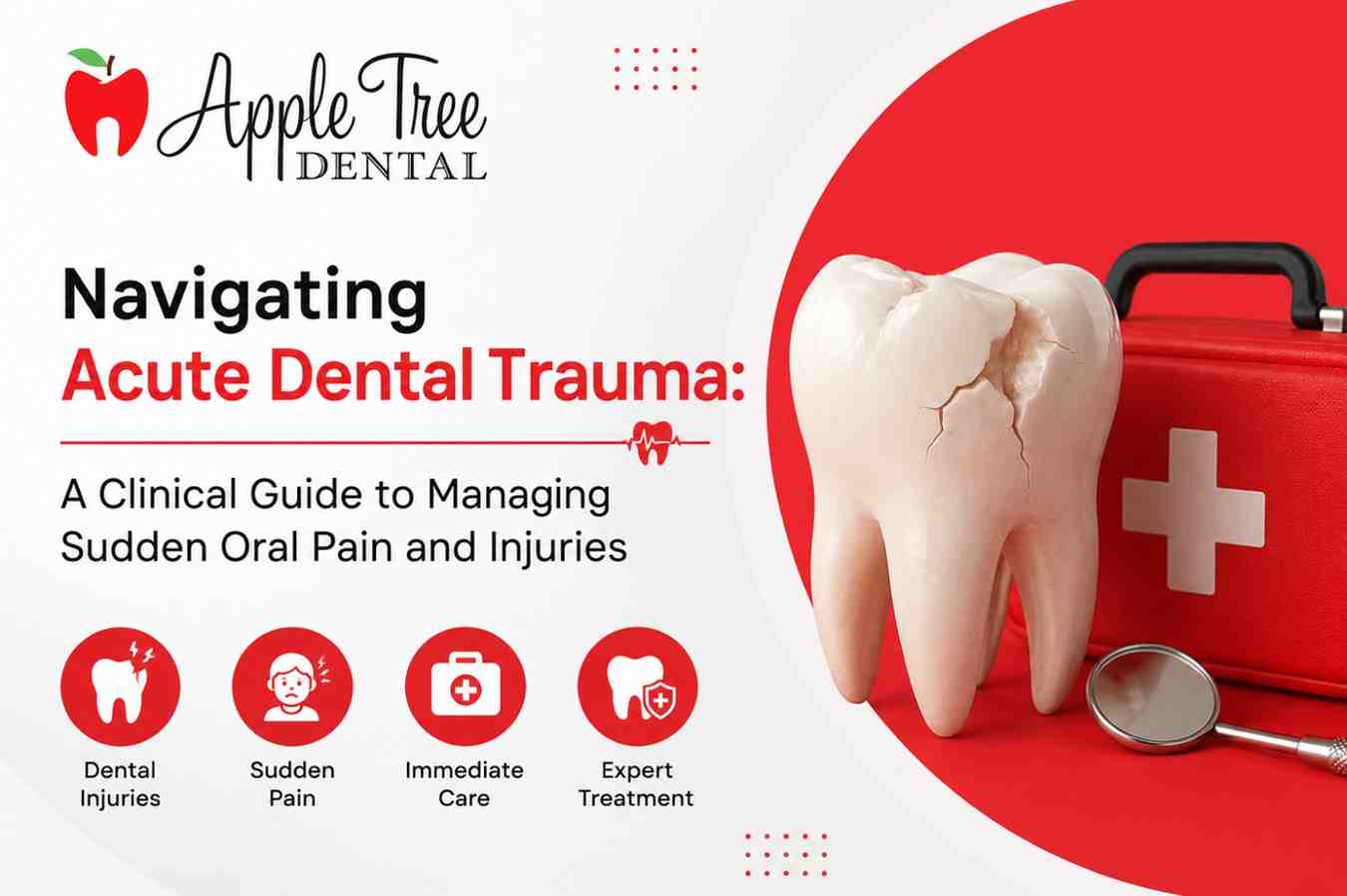
Dental emergencies rarely occur at convenient times. They often manifest during weekend sporting events, late-night meals, or seemingly out of nowhere as a mild sensitivity rapidly escalates into a severe, pulsating ache. Understanding the underlying mechanisms of dental pain and knowing precisely how to respond can mean the difference between saving a natural tooth and facing permanent loss or systemic infection.
This guide provides a comprehensive overview of dental trauma, outlining immediate first-aid protocols, the physiological causes of sudden tooth pain, and the appropriate steps for seeking professional care.
To understand why dental pain can be so debilitating, one must look at the anatomy of the tooth. Beneath the hard outer layers of enamel and dentine lies the dental pulp. This central chamber houses a complex network of nerves, blood vessels, and connective tissue. Because the pulp is encased in a rigid, unyielding structure, any inflammation within this chamber—known as pulpitis—creates immense pressure.
Unlike a swollen ankle that has room to expand outward, an inflamed dental pulp has nowhere to go. The swelling compresses the internal nerve endings against the hard dentine walls, resulting in the sharp, throbbing agony characteristic of a severe toothache. This inflammatory response is typically triggered by deep decay, microscopic fractures, or blunt force trauma. Recognizing that this pain is a biological alarm bell is the first step in proper management.
Not every oral abnormality requires a midnight trip to a clinic. Categorizing the severity of the situation helps in managing panic and applying the correct intervention.
Certain symptoms indicate an active infection or structural failure that demands prompt attention from an emergency dentist:
Severe, Unremitting Pain: Pain that cannot be managed with over-the-counter analgesics and disrupts sleep or daily functioning.
Facial Swelling: Swelling that extends to the jaw, cheek, or neck is a hallmark sign of a severe dental abscess. If accompanied by a fever or difficulty swallowing, this is a medical emergency that can compromise the airway.
Avulsion (Knocked-Out Tooth): An entire permanent tooth being dislodged from its socket. The window for successful reimplantation is highly time-sensitive.
Significant Bleeding: Haemorrhaging from the gums or extraction site that does not subside after applying continuous pressure for fifteen to twenty minutes.
Extrusive or Lateral Luxation: A tooth that has been pushed out of its normal alignment but remains in the socket.
Conversely, some issues, while uncomfortable, can wait for normal operating hours:
Lost Fillings or Crowns: Provided the exposed tooth is not excruciatingly sensitive to ambient air.
Mild Sensitivity: Brief, transient pain when consuming hot or cold foods.
Minor Chipped Enamel: Small fractures that do not expose the sensitive inner dentine or cause a sharp, cutting edge against the tongue.
When a crisis occurs, the actions taken in the first thirty minutes dictate the long-term prognosis of the tooth.
If a permanent tooth is entirely knocked out, time is the most critical factor.
Retrieve the Tooth: Pick up the tooth strictly by the crown (the chewing surface). Never touch the root, as this can damage the delicate periodontal ligament cells necessary for successful reattachment.
Clean if Necessary: If the tooth is covered in dirt, rinse it gently with milk or a sterile saline solution. Do not use tap water, soap, or chemicals, and do not scrub the surface.
Attempt Reimplantation: If the patient is a cooperative adult or older child, gently try to place the tooth back into its socket and have them bite down on a clean piece of gauze to hold it in place.
Storage: If reimplantation is not possible, place the tooth in a small container of cold milk. Milk has an appropriate osmolality and chemical makeup to keep the root cells viable for a short period. Alternatively, the tooth can be kept in the patient’s cheek pouch (if they are old enough not to swallow it).
Seek Care: Proceed to a clinic immediately. The highest success rates for reimplantation occur within the first hour of the injury.
A significant break in the tooth can expose the pulp, leading to intense pain and a high risk of bacterial contamination. Rinse the mouth with warm water to clear away any debris. Apply a cold compress to the outside of the face to minimize swelling. Gather any large broken fragments of the tooth and bring them to the clinic, as modern bonding techniques can sometimes reattach the native enamel. Avoid applying topical pain relievers directly to the exposed nerve or gum tissue, as this can cause chemical burns to the soft tissues.
The final step in managing a dental crisis is securing appropriate professional help. Instead of frantically searching for an emergency dentist near me while in a state of panic, it is highly advisable to establish a plan beforehand.
When dealing with severe trauma or sudden, blinding pain, you require a facility equipped with advanced diagnostic imaging, proper anaesthetic protocols, and clinicians experienced in rapid-response dentistry. For those residing in or travelling through Middlesex County, keeping the contact information for a reputable emergency dental clinic london ontario saved in your mobile device can streamline the process of getting help. A dedicated facility will be capable of performing vital triage, administering palliative care to stabilize the situation, and executing definitive treatments such as emergency root canal therapy or surgical extractions.
Modern emergency dental services prioritize immediate pain management and infection control over routine aesthetic procedures. Upon arrival, the clinical team will typically focus on the following:
Diagnostic Radiography: Utilizing digital X-rays to look beneath the gum line for root fractures or bone infections.
Palliative Anaesthesia: Administering local anaesthetic to immediately halt the transmission of pain signals.
Infection Control: Draining abscesses and prescribing appropriate courses of antibiotics.
Stabilization: Splinting mobile teeth or placing temporary restorative materials to seal exposed dentine until a permanent crown or filling can be fabricated.
While accidents are inherently unpredictable, many dental emergencies are the culmination of ignored warning signs. Preventative maintenance is the most effective defence.
Regular oral examinations allow clinicians to detect and address micro-fractures, failing restorations, and early-stage decay before they evolve into agonizing problems. Furthermore, for individuals engaged in contact sports or activities with a high risk of facial impact, the use of a custom-fitted mouthguard is non-negotiable. Unlike generic, over-the-counter options, a custom guard fabricated by a dental professional distributes the force of an impact evenly, drastically reducing the likelihood of avulsions, jaw fractures, and concussions.
Maintaining a consistent standard of oral hygiene at home—including daily flossing and the use of fluoridated toothpaste—keeps the enamel robust and less susceptible to the bacterial ingress that eventually leads to severe pulpitis. By combining proactive habits with a clear understanding of first-aid protocols, patients can navigate the unexpected with confidence and safeguard their long-term oral health.
Author Bio: This guide was authored by the clinical team at Apple Tree Dental. Serving the community with a commitment to evidence-based care, Apple Tree Dental provides comprehensive oral health solutions, including preventative care, restorative procedures, and dedicated Emergency dental services for patients across London, Ontario. The practice focuses on patient education, utilizing modern diagnostic technology to deliver reliable, patient-centric treatments in a comfortable and professional environment.

© 2025 Crivva - Hosted by Airy Hosting Managed Website Hosting.