In today’s fast-moving digital landscape, launching a product quickly, without compromising on value, is critical for success. This is where MVP (Minimum Viable Product) development plays a key role. Instead of spending months or years building a fully-featured product, businesses can launch a simplified version with core functionalities and validate their idea in real market conditions.
MVP development allows startups and businesses to test assumptions, gather user feedback, and make data-driven decisions early in the product lifecycle. It minimizes risks, reduces development costs, and ensures that you are building something users actually need.
From startups looking to attract investors to enterprises exploring new product ideas, the MVP approach has become a standard strategy for innovation and growth. By focusing on essential features and continuous improvement, businesses can move faster, adapt quickly, and stay ahead of the competition.
What is an MVP (Minimum Viable Product)?
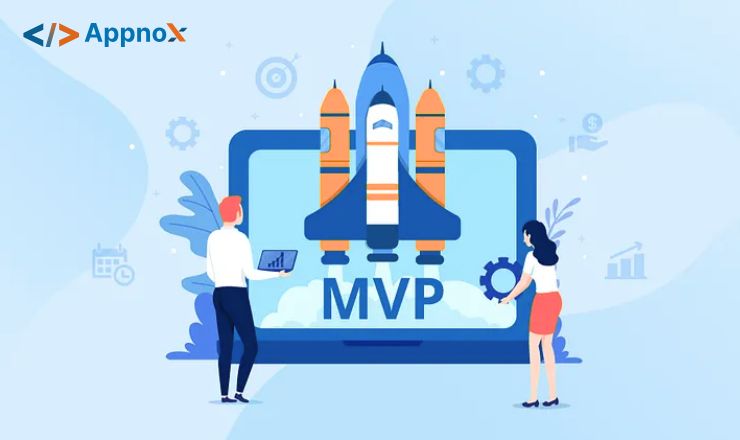
A Minimum Viable Product (MVP) is a simplified version of a product that includes only its core features, just enough to solve a specific problem and deliver value to early users. The goal of an MVP is not perfection, but validation.
Instead of building a fully-featured product from the start, businesses launch an MVP to test their idea in real market conditions. This approach helps teams understand user needs, gather feedback, and improve the product based on actual data.
An MVP focuses on answering one key question:
“Is this product worth building further?”
By validating ideas early, companies can avoid unnecessary development costs and reduce the risk of failure.
Benefits of MVP Development
MVP development offers several strategic advantages, especially for startups and growing businesses:
- Faster Time-to-Market
Launching a basic version of your product allows you to enter the market quickly and gain a competitive edge.
- Cost Efficiency
By focusing only on essential features, you save time, resources, and development costs.
- Idea Validation
An MVP helps you test your concept with real users and validate demand before investing heavily.
- Reduced Risk
Early feedback minimizes the chances of building a product that users don’t need.
- Better Product-Market Fit
Continuous user feedback helps refine your product to better meet market demands.
- Easier Investor Pitching
A working MVP demonstrates real potential, making it easier to attract investors and funding.
Key Stages of the MVP Development Process
Building a successful MVP requires a structured approach. While the process may vary slightly depending on the project, it typically includes the following stages:
- Idea Validation and Market Research
- Defining Core Features and Scope
- Choosing the Right Tech Stack
- UI/UX Design (Wireframing & Prototyping)
- MVP Development (Frontend & Backend)
- Testing and Quality Assurance
- Product Launch
- Feedback Collection and Iteration
Each stage plays a critical role in ensuring your MVP is both functional and aligned with user needs.
Step 1: Idea Validation and Market Research
The first and most crucial step in MVP development is validating your idea. Before writing a single line of code, you need to ensure that your product solves a real problem and has market demand.
- Identify Your Target Audience
Understand who your ideal users are, their needs, pain points, and behaviors.
- Define the Problem Statement
Clearly outline the problem your product aims to solve. A strong problem statement is the foundation of a successful MVP.
- Conduct Market Research
Analyze industry trends, demand, and potential opportunities to ensure your idea is viable.
- Competitor Analysis
Study existing solutions in the market. Identify their strengths, weaknesses, and gaps you can fill.
- Validate Your Idea
Use surveys, interviews, landing pages, or early prototypes to gather real user feedback before development.
Step 2: Defining Core Features and Scope
Once your idea is validated, the next step is to define what your MVP will include—and just as importantly, what it won’t.
The goal here is to focus only on essential features that solve the core problem. Avoid feature overload, as it can delay development and increase costs.
- Prioritize Must-Have Features
Identify the features that are absolutely necessary for your product to function and deliver value.
- Eliminate Non-Essential Features
Postpone advanced or “nice-to-have” features for future iterations.
- Create a Feature List
Document all features and categorize them into:
- Must-have
- Should-have
- Nice-to-have
- Define the MVP Scope
Set clear boundaries for your MVP to ensure the project stays focused, on time, and within budget.
Step 3: Choosing the Right Tech Stack
Selecting the right technology stack is crucial for your MVP’s performance, scalability, and future growth.
- Frontend Technologies
Choose frameworks that ensure fast and responsive user interfaces (e.g., React, Vue).
- Backend Technologies
Pick reliable backend technologies to handle data, logic, and integrations (e.g., Node.js, Django).
- Database Selection
Select a database based on your app’s needs (SQL vs NoSQL).
- Scalability Considerations
Ensure your tech stack can support future growth without major rework.
- Development Speed
For MVPs, prioritize technologies that allow rapid development and deployment.
Step 4: Designing the MVP (UI/UX)
Design plays a critical role in how users perceive and interact with your product. Even a basic MVP should offer a smooth and intuitive experience.
- Wireframing
Create basic layouts to visualize the structure and flow of your app.
- Prototyping
Develop interactive prototypes to simulate user experience before development begins.
- Focus on Simplicity
Keep the design clean and user-friendly, avoid unnecessary complexity.
- User-Centric Design
Ensure the interface solves user problems effectively and enhances usability.
Step 5: MVP Development
This is the stage where your idea starts taking shape as a functional product. The development process typically involves both frontend and backend work.
- Frontend Development
Build the user-facing part of the application, ensuring responsiveness and usability.
- Backend Development
Develop the server-side logic, database structure, and APIs.
- API Integrations
Integrate third-party services such as payment gateways, analytics tools, or authentication systems.
- Agile Development Approach
Use agile methodology with sprints to ensure flexibility and continuous improvement.
Step 6: Testing and Quality Assurance
Before launching your MVP, thorough testing is essential to ensure functionality, performance, and reliability.
- Functional Testing
Verify that all features work as intended.
- Usability Testing
Ensure the app is easy to use and provides a good user experience.
- Performance Testing
Check speed, responsiveness, and stability under different conditions.
- Bug Fixing
Identify and resolve issues before launch to avoid negative user experiences.
Step 7: Launching the MVP
After development and testing, it’s time to launch your MVP into the market. This stage is not about perfection, it’s about getting your product in front of real users as quickly as possible.
- Choose the Right Launch Strategy
Decide whether to go for a soft launch (limited audience) or a full public release.
- Deploy Your Application
Ensure your app is properly deployed on servers, app stores, or web platforms with all configurations in place.
- Monitor Performance
Track key metrics such as user engagement, crashes, and load times from day one.
- Prepare for Feedback
Be ready to collect insights and respond quickly to user needs.
Step 8: Collecting Feedback and Iteration
Launching an MVP is just the beginning. The real value comes from learning and improving based on user feedback.
- Gather User Feedback
Use surveys, reviews, analytics tools, and direct communication to understand user behavior.
- Analyze Data
Identify patterns, pain points, and areas for improvement.
- Prioritize Improvements
Focus on updates that deliver the most value to users.
- Iterate and Improve
Continuously release updates and refine your product based on feedback.
Cost and Timeline of MVP Development
The cost and timeline of MVP development depend on several factors, including complexity, features, and team structure.
Estimated Cost
- Simple MVP: $5,000 – $15,000
- Moderate MVP: $15,000 – $50,000
- Complex MVP: $50,000+
Estimated Timeline
- Basic MVP: 4 – 8 weeks
- Moderate MVP: 2 – 4 months
- Complex MVP: 4 – 6+ months
Key Factors Affecting Cost & Timeline
- Number of features
- Design complexity
- Technology stack
- Development team size
- Third-party integrations
Why Choose Appnox for MVP Development
Choosing the right development partner plays a crucial role in the success of your MVP. Appnox offers a reliable and efficient approach to building scalable and high-performing MVPs.
- Experienced Development Team
Appnox provides access to skilled developers with hands-on experience in MVP and product development.
- Faster Time-to-Market
With streamlined processes and agile methodologies, Appnox ensures quick delivery without compromising quality.
- Custom Solutions for Startups
Every MVP is tailored to your unique business goals and target audience.
- End-to-End Development Support
From idea validation to post-launch iteration, Appnox supports your entire product journey.
- Scalable and Flexible Approach
Easily scale your product and development team as your business grows.
- Cost-Effective Development
Appnox helps you build efficient MVPs while keeping development costs under control.
Conclusion
MVP development is a powerful strategy for turning ideas into successful products with minimal risk and investment. By focusing on core features, validating your concept early, and continuously improving based on user feedback, you can build a product that truly meets market needs.
From idea validation to launch and iteration, each step in the MVP development process plays a critical role in your product’s success. With the right approach, & the right development partner like Appnox, you can accelerate your journey from concept to a scalable, market-ready solution.
If you’re planning to build your MVP, now is the perfect time to take the first step and bring your idea to life.