

Children’s dental health has become a growing concern for parents, dentists, and healthcare professionals. Changes in diet, increased sugar consumption, and busy family routines have made proper oral care more challenging.
Many children do not brush correctly or for the recommended amount of time. This often leads to cavities, gum problems, and early dental issues that could have been prevented.
Modern technology is playing an important role in improving children’s dental health. Technology does not replace basic dental care or professional checkups. Instead, it strengthens daily routines and helps children develop healthy habits that last.
This article explores how modern technology supports children’s dental health, why it matters, and how families can use it effectively.
Dental health in childhood affects much more than just teeth. Healthy teeth support proper chewing, speech development, and facial growth. Baby teeth also hold space for permanent teeth and guide them into correct positions.
Poor dental care during childhood can lead to pain, infections, and difficulty eating or sleeping. These problems can affect a child’s focus at school and overall quality of life. Dental issues that begin early often continue into adulthood if habits do not improve.
Many dental problems start quietly. Plaque and bacteria build up over time without causing immediate pain. By the time symptoms appear, treatment may already be necessary. This is why prevention and daily care are so important for children.
Children often struggle with brushing their teeth properly. Their motor skills are still developing, and they may not have the coordination needed for correct technique. Many children brush too quickly or miss areas such as the back teeth and gum line.
Other common challenges include resistance to routines, short attention spans, and discomfort caused by hard bristles or improper brushing pressure. Parents frequently report daily struggles, especially during busy mornings or bedtime routines.
These challenges do not mean children are unwilling to care for their teeth. In most cases, they simply need better guidance and support. Modern dental technology helps address these problems by making brushing easier and more structured.
Modern dental technology focuses on improving consistency, technique, and motivation. It is designed to work with a child’s natural abilities rather than requiring perfect brushing skills.
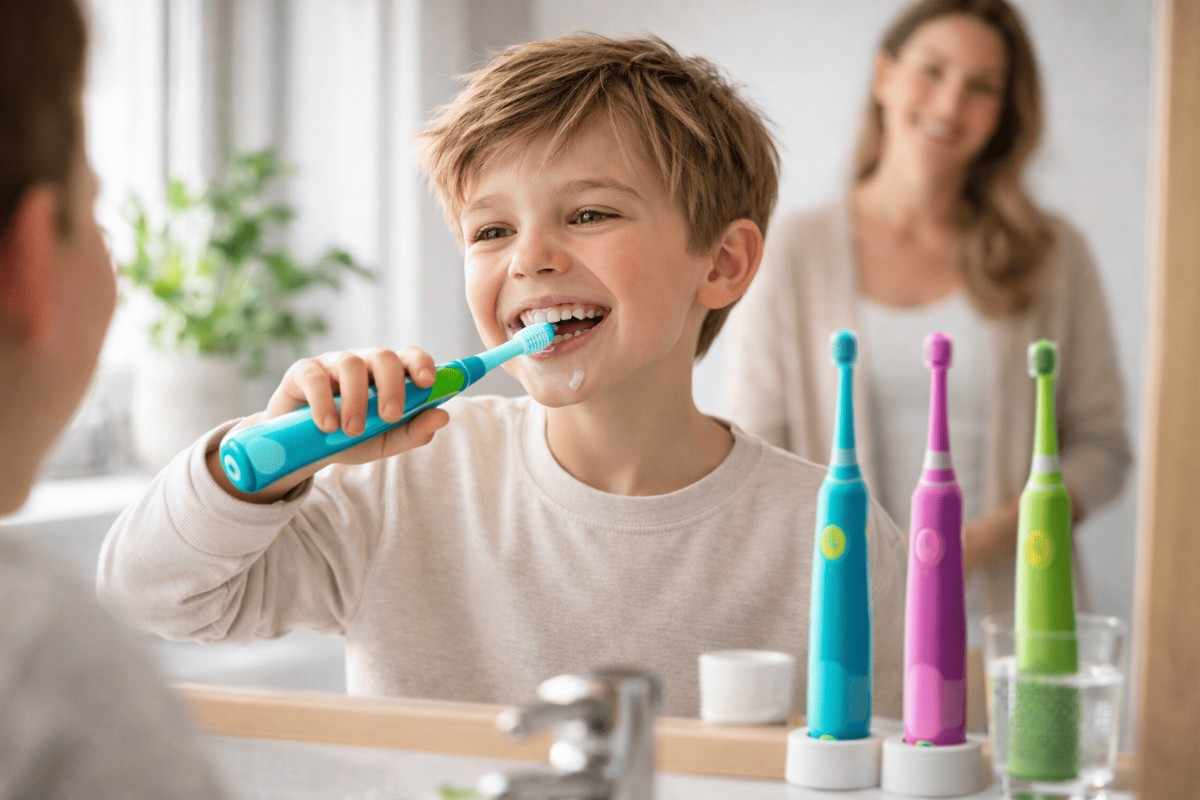
Kids electric toothbrushes designed for children are one of the most effective tools available today. They use gentle, controlled movements to clean teeth more evenly than manual brushing in many cases. This reduces the need for complex hand motions that children often struggle to perform.
Technology also supports parents by reducing the stress of daily brushing routines. With guided tools, children are more likely to brush correctly with less supervision.
Electric toothbrushes help improve brushing quality by providing consistent motion. Instead of relying on a child’s brushing technique, the toothbrush handles much of the cleaning action.
These toothbrushes are designed with soft bristles and gentle vibration or oscillation. This helps remove plaque while protecting sensitive gums. Smaller brush heads allow better access to tight areas in a child’s mouth.
Many children brush longer and more carefully with electric toothbrushes. This leads to better plaque removal and improved overall oral hygiene. For children who struggle with manual brushing, electric toothbrushes can make a noticeable difference.
One of the most common problems in children’s oral care is brushing for too little time. Many children stop brushing after thirty seconds or less. Dentists generally recommend brushing for two minutes.
Modern toothbrushes often include built-in timers that guide children through the full brushing time. These timers remove confusion and help children understand how long brushing should last.
Some tools divide brushing into sections, encouraging children to clean all areas of the mouth evenly. This guidance helps reduce missed spots and improve overall cleaning effectiveness.
Motivation plays a major role in children’s dental health. When brushing feels boring or forced, children are more likely to resist it. Modern dental technology helps change this experience.
Child-friendly designs, gentle movement, and predictable routines make brushing feel less like a chore. When children feel comfortable and engaged, they are more willing to participate in daily oral care.
Enjoyable brushing experiences lead to better consistency. Over time, this consistency turns into a habit, which is the foundation of good dental health.
Children’s dental needs change as they grow, and technology reflects these differences. Tools designed for young children focus on safety, simplicity, and comfort. Soft bristles protect gums, and small brush heads fit comfortably in small mouths.
As children grow older, dental tools can support greater independence. Timers and guided brushing features help older children maintain consistent routines without constant supervision.
Using age-appropriate dental technology improves comfort and effectiveness. It also reduces the risk of improper use or discomfort.
Some children face additional challenges with oral care due to sensory sensitivities or developmental differences. Manual brushing can feel uncomfortable or overwhelming for these children.
Electric toothbrushes offer predictable and controlled movement. This consistency can feel calming and easier to tolerate. Gentle settings reduce sudden pressure changes that may cause discomfort.
Structured routines and guided brushing also help children feel secure. Technology allows parents to adapt oral care routines to their child’s individual needs.
Dental technology continues to evolve with a focus on prevention and user-friendly design. Future tools may offer smarter guidance and better integration into daily routines.
Despite innovation, the core goal remains the same. Healthy teeth depend on consistent care, good habits, and regular dental visits.
Technology will continue to support children and families, making oral care more effective and accessible.
Modern technology has become an important part of children’s dental health. It helps improve brushing habits, supports consistency, and reduces daily challenges for families.
When used alongside parental guidance and traditional dental care, technology helps children build strong oral hygiene habits early in life. These habits protect their teeth, support overall health, and contribute to confident smiles for years to come.

© 2025 Crivva - Hosted by Airy Hosting Managed Website Hosting.