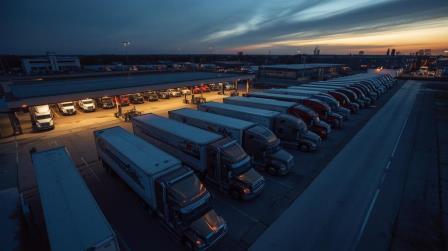
Driving a large rig into Los Angeles is a bit like threading a needle while riding a rollercoaster. The City of Angels offers endless entertainment, booming business opportunities, and stunning coastal views, but it also presents a labyrinth of traffic, tight corners, and confusing parking regulations. If you are navigating an RV, commercial truck, or towing a trailer, standard advice often falls short.
This guide goes beyond the basics. We are diving into the insider tips, community hacks, and digital tools that seasoned drivers use to conquer the concrete jungle of Los Angeles. Whether this is your first haul down the 405 or your tenth vacation in an Airstream, these strategies will save you time, money, and stress.
Mastering the Timing: Beating the LA Traffic Beast
In Los Angeles, when you drive is just as important as where you drive. Traffic isn’t just an inconvenience here; it is a lifestyle factor that dictates your schedule.
The “Golden Windows” for Movement
Locals know that the freeways breathe in and out. For large vehicles, getting stuck in stop-and-go traffic isn’t just annoying—it burns massive amounts of fuel and increases wear and tear on your brakes.
- Early Morning (4:00 AM – 6:00 AM): This is the sweet spot. The roads are mostly clear, allowing you to navigate complex interchanges and reach your parking destination before the morning rush begins.
- Mid-Day Lull (10:30 AM – 1:30 PM): While not empty, the roads are significantly lighter than peak hours. This is a safe bet for moving between parking lots or RV parks.
- Late Night (After 8:00 PM): Traffic usually thins out, but be wary of construction crews. Caltrans often schedules major roadwork for these hours.
The “Surface Street” Trap
GPS apps like Waze or Google Maps are aggressive about saving time for cars, often rerouting drivers onto surface streets to bypass freeway jams. Never blindly follow these shortcuts in a large rig.
- Tight Turns: Residential streets in neighborhoods like Silver Lake or the Hollywood Hills are notoriously narrow and winding. You might find yourself facing a turn your trailer physically cannot make.
- Low Clearance: Many older neighborhoods have low-hanging tree branches that aren’t marked on GPS apps.
- Stick to the Freeways: Even if it takes 20 minutes longer, staying on the freeway is safer and more predictable for vehicles over 25 feet.
Leveraging Technology: The Best Apps for Big Rigs
Your smartphone is your co-pilot. While standard maps are great for finding coffee, specialized apps are essential for finding legal parking and safe routes for oversized vehicles.
Essential Navigation Tools
- TruckMap: This is a gold standard for commercial drivers but equally useful for RVers. It highlights truck-legal routes, avoiding low bridges and weight-restricted roads. It also shows parking facilities that specifically accommodate 18-wheelers.
- RV Life / RV Trip Wizard: These tools allow you to input your vehicle’s specific height, weight, and length. The app then calculates a safe route, ensuring you don’t end up facing a bridge that is too low.
Parking-Specific Apps
- ParkAdvisor: Excellent for finding RV parks, campgrounds, and rest areas. User reviews often mention specific site dimensions, which helps you avoid booking a spot that is too tight.
- iOverlander: This crowdsourced app is a treasure trove for finding boondocking spots, dump stations, and even quiet industrial streets where overnight parking might be tolerated (though always verify local signage).
- SpotAngels: This app is a lifesaver for understanding street parking rules. It displays street cleaning schedules, meter rates, and permit zones on a map, helping you avoid those infamous $75+ parking tickets.
Tapping into Community Intelligence
No guidebook is as up-to-date as the people currently on the road. The community of drivers in Los Angeles is vast and surprisingly helpful if you know where to look.
Online Forums and Groups
Before you arrive, spend an hour browsing these digital watering holes.
- Reddit (r/LosAngeles, r/GoRVing, r/Truckers): Search for “parking” within these subreddits. You will often find threads discussing specific lots that have recently opened or neighborhoods that have become hostile to street parking.
- Facebook Groups: Look for groups like “California RV Camping” or “SoCal Truckers.” Members often post real-time updates about full lots or new enforcement blitzes.
The “Knock and Talk”
If you are eyeing a spot in an industrial area or near a large vacant lot, look for other trucks or RVs already parked there.
- Ask the Locals: A polite conversation with another driver can reveal a lot. They might tell you, “The cops sweep this street at 3 AM,” or “The business owner on the corner doesn’t mind if you park here for the night.”
- Safety in Numbers: Parking near others can provide a slight deterrent to theft, as there are more eyes on the area.
Navigating the “Oversized” Stigma
Let’s address the elephant in the room: Los Angeles has a complex relationship with large vehicles parked on streets. Due to housing shortages, many RVs are used as permanent dwellings, leading to strict “anti-camping” ordinances in many neighborhoods.
How to Blend In (and Avoid Hassle)
- The 72-Hour Rule: By law, a vehicle cannot remain parked in the same spot on a public street for more than 72 hours. However, in sensitive areas, residents may report you much sooner. Move your vehicle regularly, even if it is just a few blocks.
- Keep it Clean: Perception matters. A clean rig that looks well-maintained is less likely to draw complaints than one surrounded by trash or with slide-outs extended onto the sidewalk.
- Respect the “No Parking 2 AM – 6 AM” Signs: These are strictly enforced in residential zones. You will be ticketed, and towing is a real possibility.
Hidden Gem Parking Strategies
Sometimes the best spots aren’t advertised as parking lots at all.
Casino Parking
While not in downtown LA, several casinos in the greater LA area (like The Gardens Casino in Hawaiian Gardens or Hollywood Park Casino near SoFi Stadium) have massive lots.
- The Tip: Call security beforehand. Some casinos allow oversized vehicle parking for patrons. Even if they don’t allow overnight sleeping, they can be excellent, secure places to park your rig while you take an Uber into the city for the day.
Industrial Zones on Weekends
Neighborhoods like Vernon, Commerce, and parts of the San Fernando Valley are industrial hubs.
- The Strategy: On weekends, these areas are often ghost towns. Street parking is generally easier to find, and restrictions are sometimes relaxed. However, security is lower, so ensure you have high-quality locks.
The “Park and Ride” Hybrid
If you are visiting tourist spots like Hollywood or Santa Monica, driving your RV there is a nightmare.
- The Fix: Park your rig at a secure facility on the outskirts (like near the end of the Metro lines in North Hollywood or Norwalk). Then, use the Metro rail system or ride-share apps to get into the dense urban core. You save on fuel, avoid stress, and eliminate the impossible task of parallel parking a 40-foot vehicle on Sunset Boulevard.
Avoiding Common Pitfalls
The “Dead End” Street
LA is full of cul-de-sacs, especially in the hills.
- Rule: Never turn down a residential street unless you can see the outlet. Backing a trailer out of a narrow, winding canyon road is a surefire way to ruin your transmission and your day.
The Santa Ana Winds
If you are parking a high-profile vehicle (like a large trailer or empty truck), be aware of the weather. The Santa Ana winds can reach hurricane force in the passes (like the Cajon Pass or near Fontana).
- Advice: During a wind event, park your vehicle facing into the wind if possible, or seek shelter alongside a sturdy building to prevent tipping.
Conclusion
Parking in Los Angeles is a skill that blends planning, technology, and street smarts. By utilizing the right apps, timing your movements to avoid the legendary traffic, and tapping into the knowledge of the driver community, you can turn a potential headache into a manageable part of your journey. Remember, the goal isn’t just to find a spot—it’s to find peace of mind, knowing your rig is safe while you enjoy everything the city has to offer.