

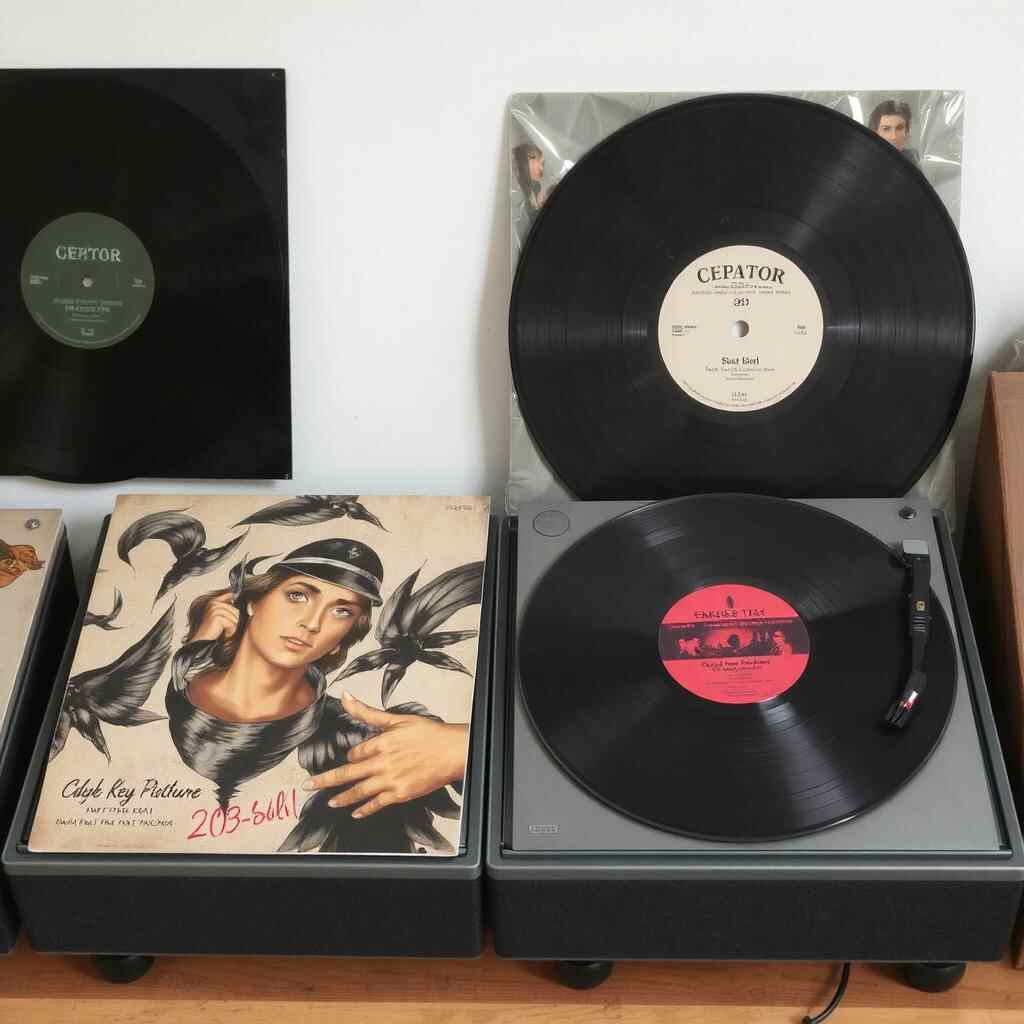
The warm sound, physical feel, and analog nature of vinyl make it a special listening experience. While vinyl manufacturing declined in India during the 1990s, a renewed global demand has brought attention back to the pressing process and the legacy of Indian pressing plants. Understanding how vinyl records are made gives collectors a deeper appreciation of the craftsmanship behind every groove. Here is a detailed look at the vinyl manufacturing process and how Indian pressing plants contributed to this fascinating craft.
The creation of a vinyl record begins with the master recording. In the early days of Indian vinyl production, studios recorded music on analog tapes, capturing the raw sound of instruments and vocals without digital interference. These tape recordings were then sent to mastering engineers. Mastering is the process of preparing the music for the vinyl format by adjusting volume levels, balancing frequencies, and ensuring the sound fits properly into the grooves. Vinyl has physical limitations, so mastering engineers must carefully optimize the audio to prevent distortion.
Once the mastering is complete, the next step is cutting the lacquer. A cutting lathe engraves grooves into a lacquer-coated aluminum disc. This lacquer master is extremely delicate and must be handled with precision. The grooves cut into the lacquer represent the final sound the listener hears when the vinyl is played. The accuracy of this step determines the clarity and character of the record.
The lacquer master is then used to create metal stampers through a process called electroplating. First, the lacquer is coated with silver to conduct electricity. It is then submerged in nickel baths where layers of metal gradually build up. The first metal negative produced is called the father plate. From the father, a positive mother plate is made, and finally, several negative stampers are created from the mother. These stampers are used in pressing machines to physically mold vinyl records.
Vinyl pellets, usually made of PVC, are heated until they become soft and pliable. This warm vinyl is placed between two stampers inside a pressing machine. When pressure is applied, the grooves from the stampers imprint onto the vinyl puck, forming the two sides of a record. At the same time, labels are pressed onto the center during the molding process. After pressing, the record is cooled to maintain its shape, trimmed to the correct size, and carefully inspected.
Indian pressing plants followed these same steps, contributing significantly to the country’s music culture. The Gramophone Company of India, also known as HMV or His Master’s Voice, was the largest and most influential pressing plant in India. Located in Dum Dum, Kolkata, it produced millions of LPs, EPs, and 78 rpm records for decades. The plant pressed Bollywood soundtracks, classical recordings, devotional albums, and regional music across languages. Many of the vinyl records collected today were created in this factory, known for its sturdy pressings and rich analog sound.
Another important name in Indian vinyl manufacturing was the Saregama plant, which continued the legacy of HMV’s operations. These pressing facilities not only met domestic demand but also exported records during the peak of India’s vinyl era. Regional music industries in Tamil Nadu, Kerala, and Andhra Pradesh also benefited from these pressing plants, as they released movies and albums locally.
During the 1980s and 1990s, Indian pressing plants faced challenges with the rise of cassettes and CDs. Vinyl production gradually slowed down, and many facilities shut down or repurposed their machinery. However, the global vinyl revival has generated renewed interest in Indian records. Collectors increasingly seek original Indian pressings because they carry the authentic sound of their era.
Today, new independent pressing plants are emerging in India to meet the growing demand. Modern plants combine traditional craftsmanship with advanced equipment to produce high-quality records for Indian independent musicians, film industries, and reissue labels. They follow international standards but carry a touch of Indian character in their production style and artwork.
Understanding how vinyl records are made highlights the precision, artistry, and engineering behind every disc. From mastering to lacquering, plating, and pressing, each step represents a delicate balance between science and craftsmanship. Indian pressing plants played a crucial role in shaping the listening experience of generations, and their legacy lives on in the vibrant vinyl culture thriving today. For collectors and music lovers, knowing the journey of a vinyl record adds depth to the joy of placing the needle on the groove and hearing music come alive. Bollywood Vinyl Records Indian Vinyl Records
The resurgence of vinyl culture has also renewed interest in the unique characteristics of Indian pressings. Unlike many Western records, Indian vinyl often carried distinct mastering choices tailored to local listening habits and equipment. For example, engineers frequently emphasized midrange frequencies because many households used basic turntables or radiograms with limited bass response. This gave Indian records a warm and direct sound that listeners still appreciate today. Collectors often note that Indian pressings of Bollywood soundtracks have a vibrant tonal quality that reflects the emotional intensity of the music itself.
Album artwork was another area where Indian pressing plants played a defining role. Many iconic Bollywood vinyl covers were designed by in-house artists who used hand-drawn illustrations, bold typography, and vivid colours. These covers became cultural symbols, capturing the glamour of Indian cinema and the personalities of legendary stars. Even today, original jackets from the 1960s to 1980s are prized for their artwork as much as for their music. The tactile charm of holding an old Indian LP, with its slightly textured cardboard and vintage print style, adds to the emotional value for collectors.
As vinyl regains popularity, preservation and restoration have also become important topics. Many older Indian records were pressed on recycled or mixed-quality PVC due to cost constraints, which means they require careful cleaning and storage. Enthusiasts now invest in proper inner sleeves, outer jackets, and anti-static brushes to maintain their collections. Some specialists even offer professional record-cleaning services using ultrasonic machines to revive rare or damaged Indian pressings.
On the production side, contemporary Indian pressing plants are adopting eco-friendly practices, exploring sustainable PVC alternatives, energy-efficient machinery, and better waste management. These efforts demonstrate that vinyl manufacturing can evolve responsibly while maintaining its analog charm. Musicians across genres, from indie artists to classical performers, increasingly release limited-edition vinyl versions of their albums, reconnecting modern audiences with analog listening.
Ultimately, vinyl’s revival in India is not just about nostalgia. It represents a renewed appreciation for sound quality, craftsmanship, and the emotional connection that physical music formats provide. As new generations discover the magic of vinyl and older collectors rediscover forgotten gems, Indian pressing plants—past and present—remain at the heart of this enduring musical journey.

© 2025 Crivva - Hosted by Airy Hosting Managed Website Hosting.