

Equipment loss is one of the most expensive and recurring problems in the rental industry. Whether it is construction machinery, power tools, medical devices, or event equipment, loss or misplacement directly impacts profitability, operational efficiency, and customer satisfaction. Businesses today are increasingly adopting digital solutions such as a rental equipment tracking system to gain better visibility and control over their assets.
Reducing equipment loss is not just about preventing theft. It also involves improving accountability, streamlining operations, and ensuring that every asset is properly monitored throughout its lifecycle. With the right strategies and technology, businesses can significantly reduce losses and improve return on investment.

Before solving the problem, it is important to understand its root causes. Equipment loss in rental businesses usually occurs due to poor tracking, manual errors, lack of accountability, and inefficient processes.
In many cases, equipment is not actually stolen but misplaced between job sites or warehouse locations. Manual record-keeping systems often fail to capture real-time movement, leading to confusion about where an item currently is.
Another major reason is lack of proper check-in and check-out procedures. When equipment is handed over without proper documentation, tracking becomes unreliable. Over time, these small gaps accumulate into significant losses.
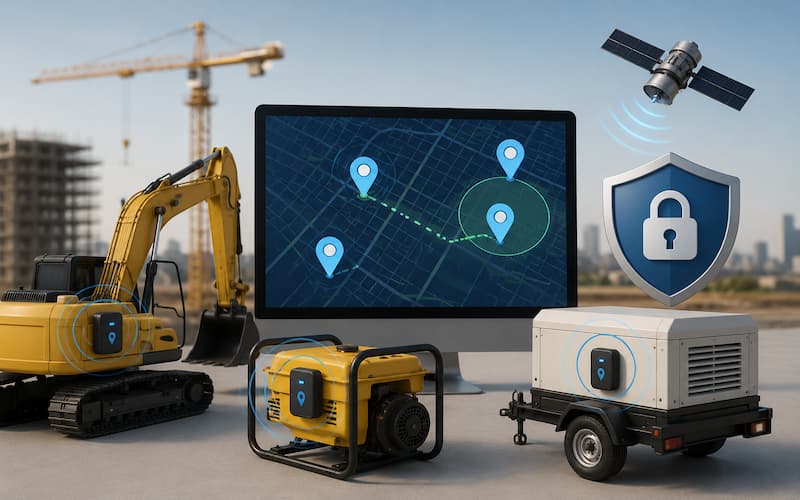
Modern tracking systems use technologies like GPS, RFID, barcode scanning, and cloud-based databases to monitor equipment in real time. These systems ensure that every movement of an asset is recorded and traceable.
With real-time visibility, businesses can instantly see where each piece of equipment is located, who is using it, and when it is due for return. This eliminates guesswork and reduces dependency on manual logs.
Tracking systems also improve accountability. When employees know that equipment movements are being recorded, they are more careful in handling and returning assets on time.
One of the most effective ways to reduce equipment loss is by using real-time tracking technology. GPS-enabled devices attached to equipment allow businesses to monitor location at all times.
For smaller tools and indoor equipment, RFID tags or QR codes can be used. These technologies allow quick scanning and instant updates in the system.
Real-time tracking ensures that misplaced equipment can be located quickly, reducing downtime and preventing permanent loss.
A structured check-in and check-out system is essential for tracking equipment movement. Every time equipment is issued or returned, it should be recorded digitally.
This process should include details such as the employee responsible, customer information, location, and expected return date. Without this structure, tracking becomes inconsistent and unreliable.
Digital systems make this process faster and more accurate by automating data entry and reducing human error.
Assigning responsibility for equipment significantly reduces loss. When employees or teams are held accountable for specific assets, they are more careful in handling them.
Tracking systems can link equipment to specific users, departments, or job sites. This creates a clear chain of responsibility.
Accountability also helps in identifying patterns of loss or misuse, allowing businesses to take corrective action when needed.
Manual inventory checks are time-consuming and often inaccurate. Automated tracking systems continuously update inventory levels in real time.
This helps businesses know exactly how many units of each item are available, rented out, or under maintenance. It also prevents overbooking or double allocation of equipment.
Automation reduces dependency on manual audits and ensures data accuracy across the system.
Modern tracking systems come with alert features that notify managers about important events. These include overdue returns, unauthorized movement, or missing equipment.
Alerts ensure that issues are addressed immediately before they turn into bigger losses. For example, if equipment is not returned on time, the system can automatically send reminders to the customer or staff.
This proactive approach helps businesses stay in control of their assets at all times.
Equipment that is poorly maintained is more likely to break down or go missing during repairs. Maintenance tracking ensures that all assets are serviced regularly and properly documented.
Tracking systems can automatically schedule maintenance based on usage hours or time intervals. This reduces unexpected breakdowns and improves equipment lifespan.
Well-maintained equipment is easier to track because it stays within controlled workflows.
Even the best tracking system will fail if employees do not use it correctly. Proper training is essential to ensure that staff understand how to log equipment, update status, and follow procedures.
Training should include real-world scenarios such as lost equipment, emergency retrieval, and system reporting. This helps employees become familiar with handling exceptions.
Regular refresher training ensures that staff remain consistent in using the system correctly.
Integrating tracking systems with billing, scheduling, and customer management systems improves overall efficiency. This ensures that equipment status is always aligned with business operations.
For example, when equipment is returned, the system can automatically update availability and trigger billing processes. This reduces manual intervention and minimizes errors.
Integration creates a seamless workflow where all departments work with the same real-time data.
Even with advanced tracking systems, periodic audits are important. Physical verification of equipment ensures that system data matches real-world inventory.
Audits help identify discrepancies, damaged equipment, or missing items early. When combined with digital tracking, audits become faster and more accurate.
Businesses can use audit results to improve processes and reduce future losses.
Tracking systems generate valuable data that can be used to identify trends in equipment loss. Businesses can analyze patterns such as frequently lost items, high-risk locations, or recurring user issues.
This data-driven approach helps in making informed decisions about asset management. For example, high-risk equipment can be equipped with stronger tracking devices or additional security measures.
Over time, data analysis leads to continuous improvement in loss prevention strategies.
Reducing equipment loss has a direct impact on business profitability. It lowers replacement costs, reduces downtime, and improves customer satisfaction.
It also enhances operational efficiency by ensuring that equipment is always available when needed. Businesses gain better control over assets, leading to improved planning and utilization.
Most importantly, it strengthens trust between rental companies and customers, as reliable equipment availability improves service quality.
Reducing equipment loss requires a combination of technology, process discipline, and employee accountability. Modern tracking systems provide the visibility and control needed to manage assets efficiently and prevent loss at every stage.
By implementing real-time tracking, structured processes, automation, and regular audits, businesses can significantly reduce equipment loss and improve overall performance. A well-managed system not only protects assets but also supports long-term growth and operational stability.

© 2025 Crivva - Hosted by Airy Hosting Managed Website Hosting.