In the construction, logistics, and industrial rental industries, equipment theft is one of the most costly and persistent challenges. Heavy machinery, tools, and portable assets are often moved across multiple sites, making them difficult to track manually. In this environment, Equipment rental software plays a critical role in improving visibility, accountability, and control over assets. As businesses scale, relying on spreadsheets or manual logs is no longer sufficient to prevent losses, especially when equipment is frequently transported between job sites and external contractors.
Equipment theft does not always happen as a single major incident. In many cases, it is a result of poor tracking, weak documentation, and lack of real-time monitoring. Without proper systems in place, even small discrepancies in asset records can lead to significant financial losses over time. The good news is that modern rental software solutions provide multiple layers of protection that significantly reduce theft risk when used correctly.

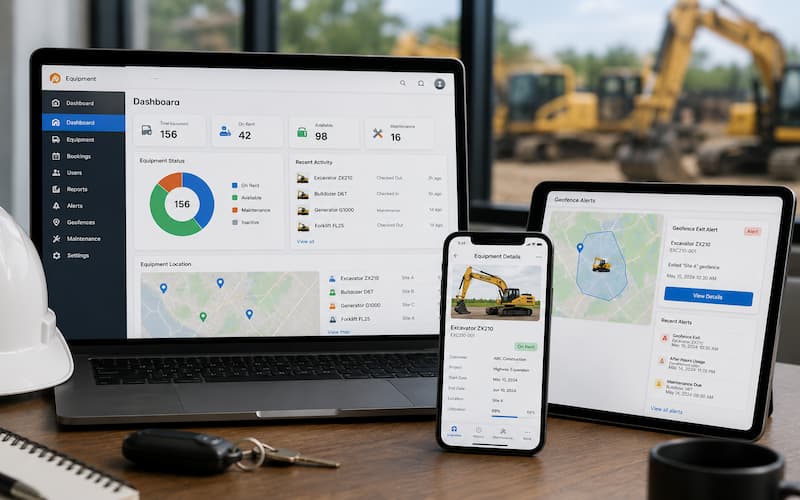
One of the most effective ways to prevent equipment theft is real-time tracking. Modern rental systems allow businesses to monitor where each asset is located at any given time. Whether equipment is on a construction site, in transit, or returned to a warehouse, real-time visibility ensures that nothing goes unnoticed. When employees know that equipment is being tracked continuously, it naturally discourages unauthorized movement or misuse.
This visibility also helps managers quickly identify discrepancies, such as equipment being shown as “available” in the system but physically missing from inventory. Early detection is key to preventing theft before it escalates. Continuous monitoring also helps in reducing disputes between teams about equipment responsibility, since every movement is logged automatically in the system.
Many advanced systems integrate GPS tracking with rental operations. This allows businesses to pinpoint exact locations of high-value assets. If equipment moves outside approved zones or designated job sites, alerts can be triggered immediately. These geo-fencing features are particularly useful for construction machinery and vehicles that frequently move between multiple locations.
GPS tracking not only helps recover stolen equipment faster but also acts as a strong deterrent against internal misuse. In many cases, simply knowing that equipment location is monitored 24/7 reduces the likelihood of unauthorized relocation or unapproved usage. It also helps fleet managers optimize utilization by identifying idle or underused assets in real time.
Manual handover processes are prone to errors and manipulation. Digital check-in and check-out systems ensure that every equipment movement is recorded with timestamps, user identification, and location data. This creates a clear chain of custody for every asset.
When equipment is issued to a customer or site supervisor, the system logs who took it, when it was taken, and under what contract. This level of transparency makes it difficult for theft or misplacement to go unnoticed. It also eliminates confusion during returns, as the system automatically compares issued and returned quantities with original records.
Barcode and QR code scanning adds another layer of accuracy to asset management. Each piece of equipment is assigned a unique digital identity that can be scanned at every stage of its lifecycle. From warehouse dispatch to return, scanning ensures that the correct item is being tracked.
This reduces human error and prevents situations where incorrect equipment is logged or missing items are overlooked. It also speeds up audits and inventory checks, making it easier to identify discrepancies quickly. Over time, barcode-based tracking creates a reliable digital history for every asset, improving accountability across teams.
Late returns are often an early indicator of potential theft or misuse. Rental software can automatically generate alerts when equipment exceeds its rental period. These notifications can be sent to both internal staff and customers, ensuring accountability at multiple levels.
By proactively tracking overdue assets, businesses can intervene early and prevent long-term loss. In many cases, simple follow-ups can resolve issues before they turn into theft cases. Automated reminders also reduce the need for manual tracking, saving administrative time while improving control.
Not every employee should have access to all equipment records or movement controls. Role-based access ensures that only authorized personnel can approve rentals, modify records, or transfer assets.
By restricting system access, businesses reduce the risk of internal fraud or unauthorized changes to inventory data. Each action is logged, creating accountability across the organization. This also ensures that sensitive financial and operational data remains protected from misuse or accidental changes.
Equipment that is poorly maintained is more likely to go missing or be mishandled. Rental systems that track maintenance schedules ensure that assets are regularly inspected and serviced. Well-maintained equipment is easier to track and less likely to be abandoned or lost on job sites.
Maintenance logs also help verify whether equipment was in usable condition at the time of rental, reducing disputes that could lead to loss or misreporting. Over time, this improves asset longevity and reduces replacement costs, indirectly minimizing theft-related losses.
Clear documentation plays a major role in preventing disputes that can lead to equipment loss. Digital contracts ensure that rental terms, responsibilities, and return conditions are clearly defined and stored within the system.
When customers are aware that agreements are digitally tracked, it increases accountability and reduces the likelihood of intentional non-return or misuse of equipment. It also simplifies legal enforcement if recovery actions are required.
Every action within a rental system should be traceable. Audit trails record who accessed, modified, or moved equipment data. This helps businesses identify suspicious activity and investigate potential theft cases quickly.
If discrepancies arise, managers can review system logs to determine exactly when and where the issue occurred, making resolution faster and more accurate. Audit trails also improve internal discipline because employees know their actions are being recorded.
When rental software is integrated with inventory and accounting systems, it creates a unified view of all assets and financial transactions. This reduces gaps between physical inventory and recorded data.
If equipment is missing, financial records will reflect inconsistencies, prompting immediate investigation. Integration ensures that theft cannot be hidden within disconnected systems. It also improves reporting accuracy, helping businesses make better operational decisions.
Preventing equipment theft requires more than physical security—it demands digital control, transparency, and automation. By implementing modern tracking systems, access controls, and real-time monitoring, businesses can significantly reduce the risk of asset loss. Equipment rental operations become more efficient when every movement is recorded, verified, and analyzed through a centralized system.
As rental businesses continue to expand, adopting smart digital tools is no longer optional. It is essential for protecting assets, improving accountability, and ensuring long-term operational success in a competitive industry.

© 2025 Crivva - Hosted by Airy Hosting Managed Website Hosting.