


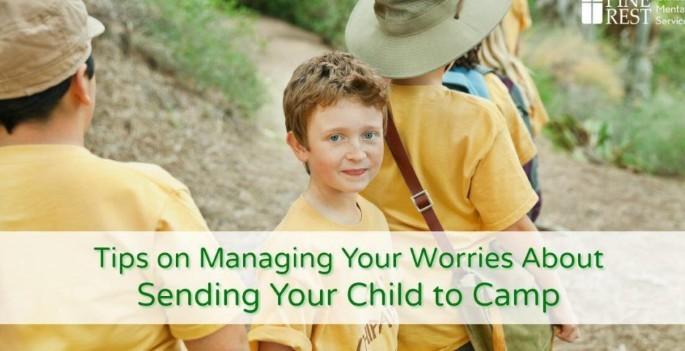
One minute they are talking about games, swimming, and making friends. The next minute they are asking questions like:
“What if nobody talks to me?”
“What if I miss home?”
“What if I do not know anyone?”
That kind of anxiety is actually very normal, especially for younger children trying something unfamiliar for the first time.
And honestly, many parents feel nervous too.
The good news is that camp anxiety usually fades much faster than people expect when kids feel supported, prepared, and understood.
Programs like Rouge Camps see this every summer. A child who feels nervous during drop off often ends the week asking if they can come back again.
Children get anxious because camp is new.
New people.
New routines.
New environments.
New expectations.
Even adults feel uncomfortable walking into unfamiliar situations sometimes, so it makes sense that children do too.
One parent once described their child crying the night before camp started because they were scared they would not make friends. By the second day, that same child was excitedly talking about a group game they played and the counsellor who helped them during lunch.
Kids often adjust faster than we think once they settle in.
Parents usually mean well when they say things like:
“You’ll be fine.”
“Don’t worry.”
“There’s nothing to be scared of.”
But sometimes those responses accidentally make kids feel like their emotions are wrong.
Instead, it helps to acknowledge the feeling calmly.
Something simple like:
“It makes sense to feel nervous when you are trying something new.”
That small shift helps children feel understood instead of dismissed.
One of the easiest ways to reduce anxiety is by making camp feel more familiar ahead of time.
Talk through what a typical day might look like:
The more predictable camp feels, the less overwhelming it becomes.
If possible, show pictures from the camp website or social media too. Seeing real kids smiling and participating can help young children picture themselves there.
This part is harder for parents than people realize.
When children feel nervous, parents naturally want to comfort them. But long emotional goodbyes can sometimes increase anxiety because kids start thinking, “Maybe this really is something scary.”
Short, calm, confident goodbyes usually work best.
A quick hug, reassurance, and a predictable pickup reminder often helps more than staying for a long emotional conversation.
Counsellors at experienced camps know this pattern very well. They are usually excellent at redirecting children into activities quickly once parents leave.
Kids are incredibly good at reading emotional energy.
If a parent seems stressed, hesitant, or uncertain, children often absorb that feeling immediately.
Even if you feel nervous internally, try to speak positively and confidently about camp.
That does not mean pretending your child’s fears are not real. It simply means showing trust that they can handle the experience.
Children often borrow confidence from adults before they develop their own.
One of the biggest fears children have is:
“What if nobody wants to play with me?”
The reality is that most kids arriving at camp are looking for the exact same thing.
Camp environments are actually designed to help friendships form quickly through:
At many camps, counsellors actively help quieter or nervous children feel included early on.
And often, kids bond surprisingly fast when they are playing, laughing, and solving problems together instead of sitting in classrooms all day.
Sometimes younger children simply need a small sense of familiarity.
Depending on camp policies, this might mean:
Little comforts can make new environments feel safer.
Not every child thrives in the exact same setting.
Some children love large, high energy camps. Others feel more comfortable in smaller groups with calmer environments.
That is why many parents searching for the best summer camp for kids spend time looking at camp culture, staff support, and group dynamics, not just activities.
The emotional environment matters just as much as the programming.
Families exploring a Unionville summer camp often look for programs that balance structure, fun, and supportive counsellors who understand younger campers may need extra encouragement during the first few days.
One of the beautiful things about camp anxiety is that overcoming it often becomes a confidence-building moment.
A child who was scared to attend camp may later realize:
“I did something difficult and I handled it.”
That feeling stays with them.
It teaches children they can try unfamiliar things, adapt, and succeed even when they feel nervous at first.
That is a huge life skill.
Summer camp anxiety is incredibly common, especially for young children trying camp for the first time.
Most kids are not afraid because camp is bad. They are nervous because it is new.
With patience, preparation, supportive counsellors, and calm encouragement from parents, those fears usually fade quickly and often turn into excitement, friendships, and confidence.
And sometimes, the child who cried at drop off becomes the same child begging to stay longer by the end of the week.
Yes, completely normal. Even very social and confident kids can feel nervous before camp because it is a new environment with new people and routines. Most children settle in quickly once activities begin and they start connecting with counsellors and other campers.
Stay calm, keep your goodbye short, and reassure them that you will be back at pickup time. Long emotional goodbyes can sometimes make anxiety stronger. Experienced camp staff are usually very good at helping children transition into activities once parents leave.
For many children, nerves improve within the first day or two. Once they become familiar with the schedule, meet other kids, and start participating in activities, their confidence usually grows naturally.
It depends on the situation, but mild anxiety is often something children can successfully work through with support. Gently encouraging them to try camp can help build confidence and resilience. If anxiety feels extreme or ongoing, it may help to speak with camp staff beforehand to create a smoother transition plan.
Small familiar items can help younger children feel more secure. Things like a favourite water bottle, a comforting snack, sunscreen from home, or a small note in their backpack can make the environment feel more familiar.
Most camps use group games, team activities, and counsellor-led introductions to help children connect naturally. Staff are usually trained to notice quieter campers and gently encourage inclusion so no child feels left out during activities.

© 2025 Crivva - Hosted by Airy Hosting Managed Website Hosting.