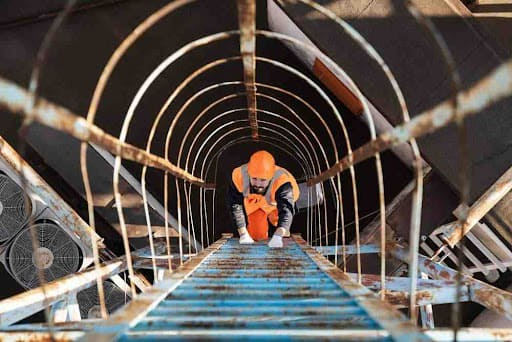
Have you ever stopped to think about what’s really keeping your workers safe when they’re up high? When was the last time you gave your fall protection gear a proper once-over? And here’s the big one would your equipment actually hold up if someone took a tumble?
Fall protection systems are quite literally lifesavers. In Melbourne’s bustling construction and industrial sectors, these vital bits of kit stand between workers and potentially fatal falls. But here’s the thing even the best equipment in the world won’t do its job if it’s not properly maintained. A frayed harness or a dodgy anchor point isn’t just a compliance issue; it’s a tragedy waiting to happen.
In this guide, we’ll walk you through everything you need to know about keeping your fall protection systems in Melbourne in tip-top shape. From daily pre-use checks to annual assessments, Australian Standards compliance to proper storage, you’ll learn exactly what it takes to protect your team. Whether you’re a site supervisor, safety officer, or business owner, this information could genuinely save lives. Let’s get stuck into it.
Australian worksites rely on several types of fall protection equipment. Full-body harnesses remain the most common personal protective equipment, distributing fall forces across the body to minimise injury. Lanyards connect workers to anchor points, while self-retracting lifelines (SRLs) offer greater mobility without compromising safety.
Anchor points themselves come in multiple varieties. Permanent roof anchors, temporary anchors, and horizontal lifeline systems each serve different purposes. Your choice depends on the specific work environment and tasks at hand.
Every fall protection system has critical components that need your attention. Webbing on harnesses and lanyards can degrade over time. Metal connectors like carabiners and D-rings may develop cracks or corrosion. Stitching can fray, and buckles can fail.
Don’t forget about anchor points either. These often-overlooked components bear the full force of a fall. A compromised anchor defeats the purpose of even the most pristine harness.
Every single time someone straps on fall protection gear, they should give it a quick visual inspection. This isn’t about ticking boxes it’s about catching problems before they become disasters. Workers should check for obvious damage, contamination, or wear.
A proper pre-use check takes just a few minutes. Run your hands along webbing to feel for cuts or abrasions. Check that all buckles and connectors work smoothly. Look for any signs of chemical exposure or heat damage.
Beyond daily checks, monthly inspections add another layer of protection. These should be more thorough than pre-use checks and documented in your records. A designated person should examine each piece of equipment systematically.
Monthly inspections catch gradual deterioration that daily checks might miss. Pay particular attention to areas of high wear, such as where webbing passes through buckles or where lanyards connect to harnesses.
Once a year, bring in the experts. Annual assessments should be conducted by a competent person who knows exactly what to look for. These inspections are thorough, documented, and form the backbone of your compliance records.
Annual assessments often involve testing equipment functionality and reviewing the entire fall protection programme. It’s also a good time to assess whether your current systems still meet your workplace needs.
Start at the shoulder straps and work your way down systematically. Check all webbing for cuts, burns, fraying, or chemical damage. Examine every stitch line for broken threads or pulled stitches. Test all buckles to make sure they engage and release properly.
Inspect D-rings and other metal components for distortion, cracks, or corrosion. The dorsal D-ring where the lanyard attaches deserves extra scrutiny. Any deformation here could spell disaster.
Lanyards take significant abuse on worksites. Examine the entire length for damage to the webbing or rope. Check shock absorbers for any sign of deployment—once activated, they must be replaced immediately.
Connectors need careful attention too. Gates should open and close smoothly, and locking mechanisms must function correctly. Any connector showing wear on the gate or body needs replacing.
Anchor points are only as good as their installation and condition. Check for corrosion, loose bolts, or structural damage to the anchor itself. Verify that the supporting structure remains sound.
For permanent installations, look for signs of movement or deterioration around the mounting points. Temporary anchors should be inspected before each use and removed from service if any damage is apparent.
SRLs are more complex than static lanyards and require careful inspection. Check the housing for cracks or damage. Extend the lifeline fully and check for smooth retraction. Any grinding, catching, or hesitation indicates a problem.
Examine the lifeline itself whether cable or webbing for wear, kinks, or corrosion. The connector at the end needs the same scrutiny as any other hardware. If an SRL has arrested a fall, it must be removed from service and professionally inspected.
The AS/NZS 1891 series sets out the requirements for industrial fall arrest systems in Australia. These standards cover everything from design and manufacture to installation, use, and maintenance. Compliance isn’t optional it’s a legal requirement.
Part 4 of the standard specifically addresses selection, use, and maintenance. It requires that equipment be inspected before each use and at regular intervals by a competent person. Following these standards protects both workers and employers.
Proper documentation isn’t just bureaucracy it’s evidence of due diligence. Keep records of all inspections, including dates, findings, and the name of the inspector. Document any equipment removed from service and the reasons why.
These records should be easily accessible and retained for the lifespan of the equipment plus several years. Good record-keeping can prove invaluable if an incident occurs or during regulatory audits.
Some damage is obvious cuts, burns, or severe abrasion clearly indicate equipment needs retiring. But look out for subtler signs too. Faded webbing suggests UV degradation. Stiff or hardened material indicates chemical exposure. Rust or corrosion on metal components weakens their integrity.
Frayed stitching is particularly concerning. The stitching in fall protection equipment is engineered to hold specific loads. Even minor damage compromises this design.
Here’s a non-negotiable rule: any equipment involved in arresting a fall must be immediately removed from service. This includes harnesses, lanyards, SRLs, and even anchor points. No exceptions.
Fall arrest places enormous forces on equipment forces that may not leave visible damage but could compromise performance in a subsequent fall. Most manufacturers recommend equipment be destroyed after a fall event to prevent accidental reuse.
Australian regulations require fall protection inspections to be conducted by a “competent person.” This means someone with the knowledge, training, and experience to identify defects and determine whether equipment is safe for continued use.
Competency can be gained through formal training courses, manufacturer certification, or demonstrated experience. The key is that the person genuinely understands what they’re looking for and the implications of their findings.
When selecting an inspector for your fall protection systems in Melbourne, look for proper qualifications and experience. Ask about their training, the standards they work to, and their documentation processes. A good inspector will happily provide references and evidence of their competency.
Many equipment suppliers and specialist height safety companies offer inspection services. Building relationships with reputable providers makes sure you always have access to qualified inspectors when you need them.
Proper maintenance of your fall protection systems isn’t just about meeting regulations though that’s certainly important. It’s fundamentally about making sure every worker goes home safely at the end of each day. The few minutes spent on daily checks and the investment in regular professional inspections are nothing compared to the value of a human life.
Throughout this guide, we’ve covered the essentials: understanding your equipment, inspection frequencies, Australian Standards compliance, recognising when equipment needs replacing, and proper storage practices. Each element plays a crucial role in a comprehensive fall protection programme.

© 2025 Crivva - Hosted by Airy Hosting Managed Website Hosting.