

In today’s fast-paced business environment, companies across the USA are discovering that managing human resources manually is no longer efficient. That’s where Human Resource Management Systems (HRMS) come in. But here’s the challenge many businesses face: how do you integrate new HRMS HR software with the systems you’re already using?
If you’re wondering how to make your different software tools work together smoothly, you’re in the right place. This guide will walk you through everything you need to know about HRMS integration, making the process simple and stress-free.
HRMS, or Human Resource Management System, is software that helps businesses manage their employees more efficiently. It handles everything from payroll and attendance to performance reviews and benefits management.
But here’s the thing: your company probably uses other important software too. Maybe you have accounting software, a customer relationship management CRM system, or project management tools. When these systems don’t talk to each other, your team wastes time entering the same information multiple times, and mistakes happen more often.
Integration means connecting your HRMS with these existing systems so information flows smoothly between them. Think of it like connecting different apps on your phone so they can share information automatically.
Before jumping into integration, you need to understand what you’re working with. Take a good look at all the software your company currently uses.
Most businesses in the USA use several systems, including accounting software like QuickBooks, communication tools like Slack or Microsoft Teams, and often a customer relationship management CRM platform to track customer interactions. Your HRMS needs to connect with these tools to create a complete business ecosystem.
Make a list of all your current software. Ask yourself: What information needs to be shared between systems? For example, when you hire a new employee in your HRMS, does that information need to flow to your payroll system, email platform, and access management tools?
Not all HRMS software development solutions are created equal. When selecting an HRMS, integration capabilities should be high on your priority list.
Look for software that offers:
Open APIs: These are like bridges that allow different software programs to communicate. Modern HRMS platforms should have well-documented APIs that make integration easier.
Pre-built Integrations: Many HRMS providers offer ready-made connections with popular business tools. This saves you time and money because you don’t need to build these connections from scratch.
Scalability: Your business will grow, and your systems need to grow with you. Choose HRMS software development solutions that can handle increased data volume and additional integrations down the road.
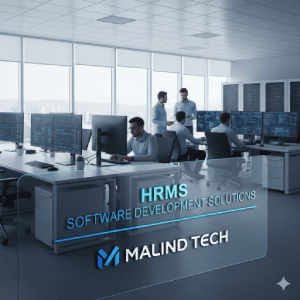
Companies like Malind Tech specialize in creating customized HRMS solutions that fit your specific business needs and integrate seamlessly with your existing technology stack.
Success doesn’t happen by accident. You need a solid plan before starting your HRMS integration project.
Start by identifying your priority integrations. Which connections will provide the most value to your business right away? Maybe it’s connecting your HRMS with your payroll system to eliminate duplicate data entry. Or perhaps linking it with your customer relationship management CRM helps your sales team understand which employees handle which client relationships.
Create a timeline with realistic milestones. Integration projects typically take several weeks to a few months, depending on complexity. Don’t rush the process, rushing leads to mistakes.
Assign clear roles and responsibilities. Who on your team will manage the project? Who will test the integrations? Who will train employees on the new connected systems?
Let’s talk about the most important connections your HRMS HR software should have.
Payroll Systems: This is usually the number one priority. When your HRMS connects with payroll software, employee hours, leave requests, and pay rate changes automatically flow to payroll processing. This reduces errors and saves countless hours every pay period.
Accounting Software: Financial data and employee cost information need to sync between your HRMS and accounting systems. This gives you accurate reports on labor costs and helps with budget planning.
Time and Attendance Systems: If you use separate time-tracking tools, they should feed directly into your HRMS. This ensures accurate records for payroll, leave balances, and productivity tracking.
Customer Relationship Management (CRM): Connecting your customer relationship management CRM with HRMS helps you understand which team members interact with which clients. This is valuable for performance reviews, workload management, and ensuring consistent customer service.
Email and Communication Platforms: When you hire someone new or make changes to employee information, these updates should automatically create email accounts and add people to the right communication channels.
You don’t need to be a tech expert to understand the basics of how HRMS software development solutions connect with other systems.
Most modern integrations use APIs, which allow different software programs to request and share data with each other. Think of it like two people speaking the same language, they can exchange information easily.
Some integrations happen in real-time, meaning when you update information in one system, it immediately updates in the other. Other integrations run on a schedule, updating information once per day or once per hour.
There’s also middleware, special software that sits between your different systems and helps them communicate, even if they weren’t originally designed to work together. Middleware solutions can be incredibly helpful when you’re working with older systems that don’t have modern APIs.
Working with experienced providers like Malind Tech ensures your integration uses the best technical approach for your specific situation.
Let’s be honest: integration projects can hit bumps along the way. Here are common challenges and how to overcome them.
Data Format Differences: Different systems store information in different ways. One system might store phone numbers as (555) 123-4567 while another uses 5551234567. You need data mapping to translate between these formats.
Security Concerns: When systems share information, you need to ensure data stays secure and private. Use encrypted connections and follow data protection regulations, especially important for HR data, which includes sensitive personal information.
Legacy Systems: Older software might not have modern integration capabilities. In these cases, you might need custom development work or middleware solutions to bridge the gap.
User Adoption: Sometimes the technical integration works perfectly, but employees resist using the new connected systems. Invest in training and clearly communicate the benefits to get everyone on board.
Before going live with your integrated HRMS HR software, thorough testing is essential.
Start with a test environment where you can try things out without affecting your actual business data. Create test scenarios that mirror real-world situations. What happens when you hire a new employee? Does their information flow correctly to all connected systems?
Test error handling too. What happens if someone enters incorrect information? Do the systems catch errors and alert users, or do problems slip through unnoticed?
Involve actual users in testing. The people who will use these systems daily often spot issues that technical teams might miss.
Even the best-integrated HRMS software development solutions won’t deliver value if your team doesn’t know how to use them effectively.
Develop training materials that are easy to understand and specific to how your company will use the systems. Consider different learning styles, some people learn best from videos, others from written guides, and some prefer hands-on practice.
Create “champions” within different departments who understand the system well and can help their colleagues. This takes pressure off your IT team and ensures help is readily available.
Remember that training isn’t a one-time event. As you add new integrations or update systems, provide ongoing education to keep everyone current.
How do you know if your HRMS integration project succeeded? Set clear metrics before you start.
Track time savings. How many hours per week does your HR team save by not entering duplicate data? How much faster is your payroll process?
Monitor error rates. Are there fewer mistakes in employee records and payroll now that information syncs automatically?
Measure employee satisfaction. Are your team members happier with the new integrated systems? Do they find their work easier?
Look at business impact. Can your HR team now focus on strategic initiatives instead of administrative tasks? Are you making better decisions with improved data visibility across systems?
Integration isn’t a “set it and forget it” situation. Your integrated HRMS HR software and customer relationship management CRM systems need ongoing attention.
Software updates are regular occurrences. When one system updates, it might affect integrations with other systems. Stay informed about upcoming updates and test integrations after significant changes.
Your business needs will evolve. You might add new software tools or change how you use existing ones. Review your integrations regularly to ensure they still meet your current needs.
Monitor performance continuously. Set up alerts so you know immediately if an integration fails or data stops syncing properly.

© 2025 Crivva - Hosted by Airy Hosting Managed Website Hosting.