


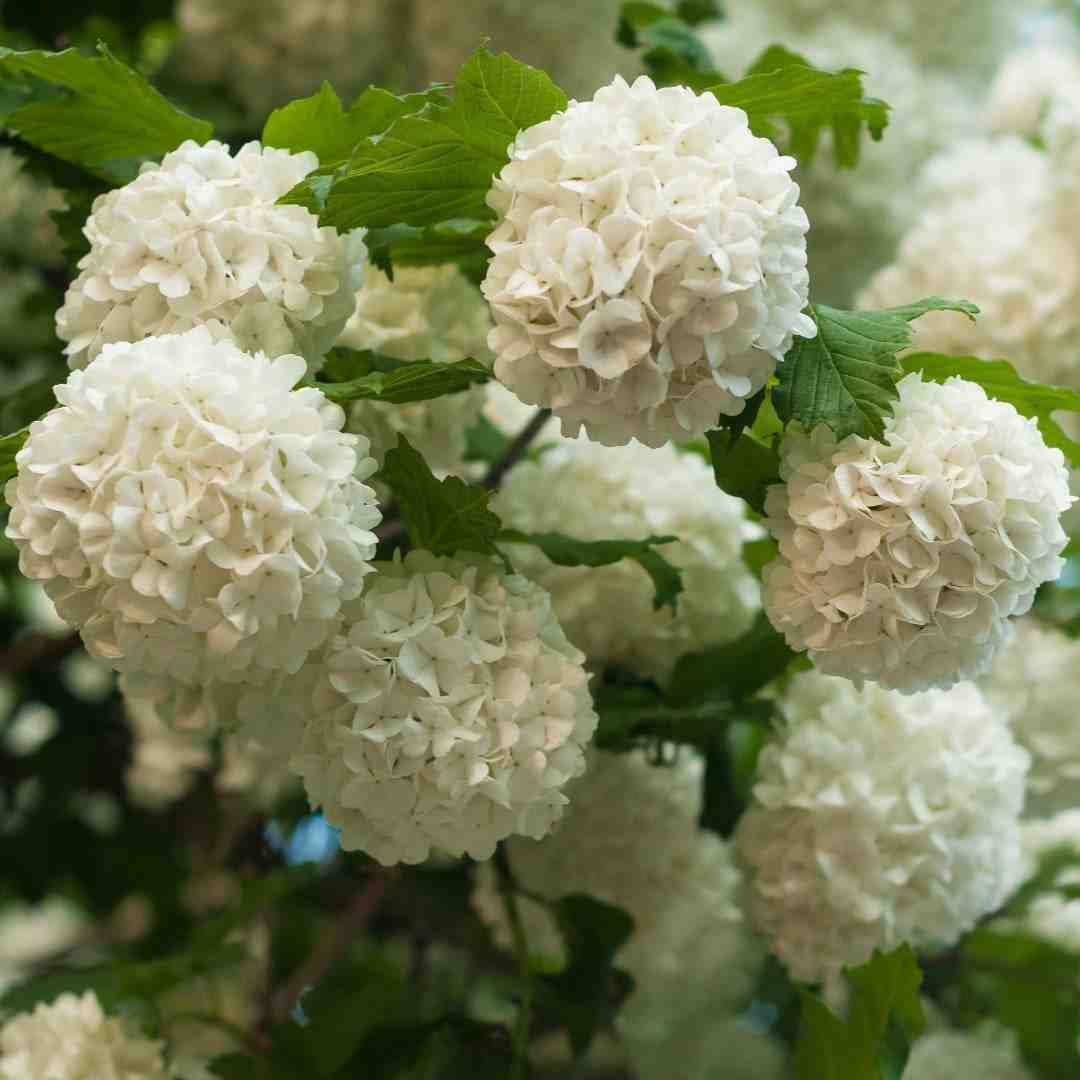
White flowering shrubs add a timeless elegance and fresh beauty to any garden. Their clean, bright blooms create a peaceful atmosphere and pair beautifully with all types of outdoor plants. Whether you are a beginner or an experienced gardener, growing these shrubs can be simple if you follow the right steps.
In this guide, you will learn everything about planting, care, watering, pruning, and common mistakes so your garden thrives all season long.
White flowering shrubs are bushy plants that produce beautiful white blooms during their flowering season. These shrubs are widely used in landscaping because they create a calm, sophisticated look and blend well with colorful flowering plants.
They are popular for garden borders, pathways, and even as focal points in modern landscapes. Some well-known examples include hydrangea, jasmine, and gardenia. Many of these are also evergreen flowering shrubs, meaning they stay green throughout the year while producing seasonal blooms.
Here are some of the best options you can consider for your garden:
Hydrangeas prefer partial shade and bloom during spring and summer. They are known for their large, showy flowers and add a soft, elegant look to any garden. Perfect for borders and shaded areas.
Azaleas prefer shaded areas and acidic soil. These are excellent flowering shrubs in the shade and produce vibrant, eye-catching blooms in spring. Ideal for adding color and texture to your landscape.
Camellias are classic evergreen flowering shrubs that bloom in cooler seasons. They prefer partial shade and well-drained soil. Their glossy leaves and beautiful flowers make them a perfect choice for year-round garden beauty.
Most white flowering shrubs grow best in full sun to partial shade. Some varieties, like hydrangea and azalea, perform better in shaded areas, while others thrive in full sun. Flowers and shrubs.
Well-drained soil is essential. Slightly acidic soil works best for most flowering shrubs, helping them absorb nutrients effectively.
Spring and summer are ideal growing seasons. However, choosing the right shrub for your climate ensures healthy growth year-round.
Follow these simple steps to plant your shrubs successfully:
These steps will help your outdoor plants establish strong roots and grow faster.
Proper watering is key to healthy flowering shrubs. Water deeply once or twice a week, depending on weather conditions. Watering too much can cause root rot, so avoid overwatering.
Use a balanced fertilizer during the growing season to encourage blooms. Organic fertilizers are a great option for long-term soil health, especially if you plan to buy plants online and grow them sustainably at home.
Pruning helps maintain the shape and health of your shrubs.
Regular maintenance ensures your white flowering shrubs stay healthy and visually appealing.
Some common issues and ways to fix them are as follows:
Taking quick action will keep your flowering plants thriving.
To maximize blooms, follow these tips:
These simple practices will help your flowering shrubs produce abundant flowers.
You can use white flowering shrubs in many creative ways:
These ideas enhance the beauty of your outdoor plants and increase the overall appeal of your space.
Avoid these mistakes for better results:
By avoiding these errors, your evergreen flowering shrubs will grow healthier and stronger.
Growing white flowering shrubs is easy and highly rewarding. With the right care, proper sunlight, and good soil, you can transform your garden into a beautiful, peaceful space.
Whether you are searching for a plant nursery near me or prefer to buy plants online, choosing the right shrubs and following these tips will ensure success.
Start planting today and enjoy a garden full of stunning flowering shrubs that bloom beautifully season after season.
White flowering shrubs are bushy plants that produce white blooms and are used to enhance garden beauty and landscaping.
Hydrangea, azalea, and camellia are easy to grow and perfect for beginners.
Most grow well in full sun to partial shade, but some like hydrangea prefer shade.
Water deeply 1–2 times per week, depending on the weather, but avoid overwatering.
For planting, spring and early summer are the best times.
This may be due to a lack of sunlight, poor soil, or неправиль pruning timing.
To increase blooming, ensure your shrubs get proper sunlight, use balanced fertilizers during the growing season, and prune at the correct time. Healthy soil and regular care also help plants produce more vibrant flowers.
Avoid overwatering, poor soil, wrong location, and skipping pruning.

© 2025 Crivva - Hosted by Airy Hosting Managed Website Hosting.