


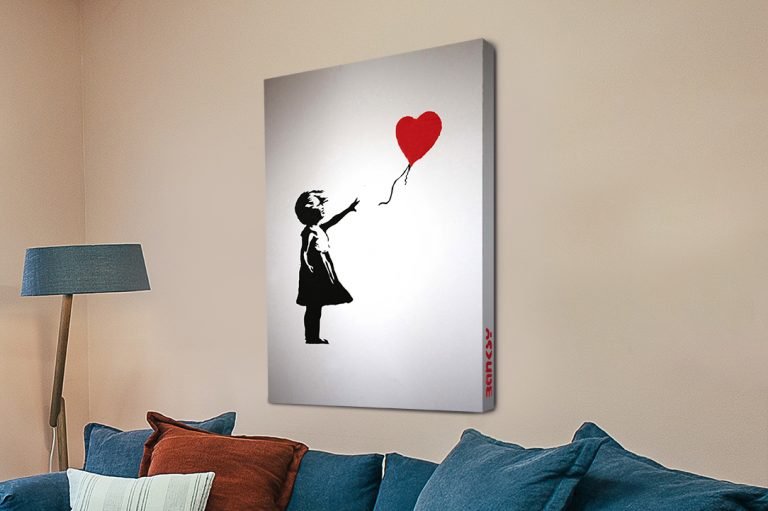
Learning how to frame a canvas print is one of those skills that looks intimidating at first but becomes surprisingly satisfying once you understand the basics. A framed canvas instantly looks more polished, more intentional, and more expensive, even if the artwork itself was affordable. Whether you want to protect a meaningful piece, elevate your home decor, or create a gallery wall that feels professionally curated, framing makes all the difference.
The good news is that you do not need a workshop full of tools or years of experience to get it right. With a bit of planning, the right materials, and a clear process, anyone can frame a canvas print at home with confidence. This guide walks you through everything step by step, from choosing the best frame style to installing it cleanly and safely. By the end, you will know exactly how to frame a canvas print so it enhances both the artwork and the space around it.
Before jumping into tools and techniques, it helps to understand what makes canvas prints unique. Unlike paper posters or photographs, canvas prints are typically stretched over a wooden frame, known as stretcher bars. This gives the artwork depth and allows it to be displayed without glass. However, adding a frame provides extra structure and a finished look.
When exploring how to frame a canvas print, you will come across several common framing styles:
Floating frames are one of the most popular choices for canvas artwork. They leave a small gap between the canvas edge and the frame, creating the illusion that the artwork is floating inside. This style works well for modern interiors and allows the edges of the canvas to remain visible.
A traditional frame fits snugly around the canvas, covering the sides completely. This option is ideal for classic interiors or formal spaces where a more refined appearance is preferred.
If you enjoy hands-on projects, building your own frame from wood molding is another option. This approach allows full control over color, thickness, and finish. It is also a cost-effective way to frame multiple pieces consistently.
Understanding these options early helps you decide which direction suits your artwork and space best. The goal is not just to frame the canvas but to complement it.
Knowing how to frame a canvas print also means preparing the right tools ahead of time. Having everything ready makes the process smoother and helps avoid mistakes.
Here is a basic list of materials:
A frame sized for your canvas or frame molding if building your own
Measuring tape or ruler
Screwdriver or drill
Frame offset clips or brackets
Hanging hardware such as D-rings or sawtooth hangers
Level and pencil
Optional but helpful tools include clamps, corner braces, and wood glue if assembling a custom frame.
Choosing quality materials matters. A sturdy frame protects the canvas from warping and keeps it secure on the wall. When selecting frames, pay attention to depth, since canvas prints are thicker than standard artwork.
This is also where people often compare different display options, such as framed photographs, canvas and prints, or even mixed media collections. While each has its place, framing a canvas correctly ensures it stands out without distraction.
Now let us get into the practical process. This section breaks down how to frame a canvas print into simple, manageable steps that you can follow at home.
Measure the height, width, and depth of your canvas. Depth is especially important because canvas prints vary in thickness. Write these measurements down and double-check them before purchasing or building a frame.
Decide whether you want a floating frame, traditional frame, or custom-built option. Consider the artwork style, room decor, and wall color. Minimalist art often benefits from slim frames, while bold artwork can handle thicker borders.
If you purchased a ready-made frame, remove any backing or hardware not needed for a canvas. For DIY frames, assemble the corners carefully and allow glue to dry fully if used.
Place the canvas face down on a clean, soft surface. Position the frame over it and ensure even spacing on all sides. Use offset clips or brackets to secure the canvas to the frame. Tighten screws gently to avoid damaging the stretcher bars.
Install hanging hardware on the back of the frame. Make sure it is level and securely fastened. For larger canvases, use two D-rings and picture wire for better weight distribution.
Hang the framed canvas on the wall using appropriate anchors. Use a level to make final adjustments so the artwork sits straight.
Following these steps carefully ensures your framed canvas looks clean, balanced, and professionally done. With practice, the process becomes faster and more intuitive.
Understanding how to frame a canvas print goes beyond mechanics. Styling plays a major role in how the final piece feels in your space.
Frames do not need to match furniture exactly, but they should feel cohesive. Black, white, and natural wood are versatile options that work in most interiors.
Give your framed canvas room to breathe. Avoid placing it too close to other wall decor unless you are intentionally creating a gallery wall.
A frame should enhance the artwork, not steal attention. If the canvas is detailed or colorful, choose a simpler frame. For minimal art, a bold frame can add interest.
Choosing a frame that is too shallow for the canvas
Hanging artwork too high or too low
Using weak hardware that cannot support the weight
Framing trends also vary by region and taste. For example, collectors looking for movie posters australia often prefer sleek frames that keep focus on the imagery rather than the border. The same principle applies to canvas art, let the artwork remain the star.
Learning how to frame a canvas print is a valuable skill that combines creativity with practicality. A well-framed canvas protects your artwork, enhances its visual impact, and helps your space feel thoughtfully designed. With simple tools, careful measurements, and the right frame choice, you can achieve results that rival professional framing services.
Now is the perfect time to put this knowledge into action. Choose a favorite canvas, gather your materials, and start framing with confidence. Once you see the transformation on your wall, you will never look at unframed canvas art the same way again. Take the next step today and give your artwork the presentation it deserves.

© 2025 Crivva - Hosted by Airy Hosting Managed Website Hosting.