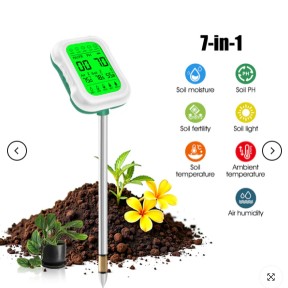
Gardening and agriculture are complex ecosystems where countless factors influence plant health and productivity. Among these, soil pH often remains overlooked, yet it plays a crucial role in plant immunity and resistance to pests and diseases. While pests are typically blamed for crop damage, the underlying vulnerabilities often stem from soil conditions, particularly pH imbalance. If soil pH is not correctly managed, plants may become more susceptible to pathogens and pests, undermining efforts to cultivate healthy crops. This article explores the surprising influence of soil pH on plant health, how it affects soil microbiology, and practical steps to harness pH adjustments for pest and disease management.
The Hidden Power of Soil pH in Plant Health
Soil pH measures the acidity or alkalinity of the soil, expressed on a scale from 0 to 14. A pH of 7 is neutral; below 7 is acidic, and above 7 is alkaline. Although it may seem like a minor detail, soil pH fundamentally influences nutrient availability, microbial activity, and overall soil health.
Many gardeners and even farmers tend to focus on fertilization, watering, and pest control, but neglect how pH levels can create a conducive environment for pests and diseases or, conversely, hinder plant defenses. When soil pH is outside the optimal range for a specific crop, plants struggle to absorb essential nutrients like iron, manganese, phosphorus, and calcium. This nutrient deficiency weakens the plant’s immune system, making it more vulnerable to infections and pest infestations.
Moreover, soil pH affects the microbial community within the soil. Beneficial bacteria that help suppress pathogens and facilitate nutrient cycling thrive within specific pH ranges. When soil becomes too acidic or alkaline, these beneficial microbes diminish in number and activity, creating an imbalance that favors harmful fungi and disease-causing organisms. Essentially, soil pH acts as a gatekeeper, influencing which microbes dominate and which pathogens flourish.
How Soil pH Influences Specific Plant Threats
Certain pests and diseases are highly dependent on soil pH conditions. Understanding these relationships enables targeted pH management to mitigate threats.
Root Diseases and Fungal Pathogens:
Many root-borne fungal pathogens, such as Fusarium, Rhizoctonia, and Phytophthora, prefer soils with extreme pH levels—either highly acidic or alkaline. In such environments, plants are more likely to suffer root rot, wilting, and stunted growth. Conversely, maintaining soil within a suitable pH range for the crop can suppress these pathogens. For example, potatoes with a pH around 5.0–5.5 are more susceptible to scab caused by Streptomyces scabies, but adjusting the soil pH can reduce disease incidence.
Tubers and Scab Disease:
The development of common scab on potatoes and other tubers is influenced by soil pH. Lowering soil pH (more acidic) can reduce scab occurrence, as the pathogen prefers alkaline conditions. Therefore, managing soil pH becomes a natural, chemical-free method to control such diseases.
Other Pests and Diseases:
In some cases, pests like root nematodes or certain soil-borne insects may be more prevalent in soils with specific pH levels. Moreover, diseases such as clubroot in brassicas are directly linked to acidic soils, and raising soil pH can effectively control these pests and diseases.
By adjusting soil pH to optimal levels, growers can create an environment less favorable for pathogens, reducing disease pressure and limiting pest outbreaks. This approach not only safeguards plants but also promotes stronger, healthier growth.
Practical Strategies for Using pH as a Pest and Disease Defense
Harnessing soil pH for plant protection involves precise measurement and gradual adjustment. Here are some practical steps to incorporate pH management into your gardening or farming practices:
Limitations and Considerations
While pH management is a powerful tool, it is not a standalone solution for pest and disease control. Proper drainage, crop rotation, organic matter management, and resistant plant varieties are also crucial. Additionally, soil pH adjustments take time and may require multiple applications to achieve the desired results.
It’s important to remember that over-correcting pH can harm plants, impair nutrient uptake, and disturb the soil microbiome. Therefore, gradual adjustments and continuous monitoring are essential.
Conclusion: The Subtle Art of pH Balance for Plant Protection
In the quest for healthy, pest-resistant crops, soil pH emerges as an often underestimated but vital factor. Maintaining the correct pH range for your plants not only optimizes nutrient uptake but also fosters a balanced soil microbiome that naturally suppresses pests and diseases. By making informed, gradual adjustments to soil pH, gardeners and farmers can create an environment that strengthens plant defenses and reduces reliance on chemical controls.
As part of a comprehensive soil management strategy, pH control offers a subtle yet effective way to protect plants and improve yields. Modern tools and sensors, such as those offered by Yieryi, facilitate precise soil testing and monitoring, empowering growers to make smarter decisions for sustainable and resilient gardening.
Whether you are an avid gardener or a commercial grower, understanding and managing soil pH is a cornerstone of healthy plant growth and pest resistance. Embrace the power of pH balance—your plants will thank you with vigorous growth and natural defenses against pests and diseases.

© 2025 Crivva - Hosted by Airy Hosting Managed Website Hosting.