

In modern construction and infrastructure projects, tracking progress is no longer about monthly reports or manual updates. Projects today move fast, involve multiple contractors, and depend heavily on coordination between teams spread across different locations. Because of this complexity, real-time milestone tracking has become essential for keeping projects on schedule, within budget, and aligned with stakeholder expectations.
With the rise of digital transformation in the industry, tools like construction project management system have made it possible to monitor milestones as they happen rather than after delays occur. This shift from reactive to proactive management is changing how projects are planned and delivered.

Project milestones are key checkpoints that represent significant progress points within a project lifecycle. They are not tasks themselves but markers that indicate completion of major phases.
Common examples include:
Milestones help project managers measure progress, identify delays, and ensure accountability across teams.
Traditional milestone tracking often relies on weekly or monthly reporting. While this provides historical insight, it does not help prevent delays while they are happening.
Real-time tracking offers several advantages:
In large projects, even a small delay in one milestone can cascade into major cost overruns. Real-time tracking helps prevent these issues before they escalate.
Modern project systems use digital tools, automation, and field data collection to track milestones continuously. The process typically works as follows:
Each milestone is broken into smaller tasks that can be tracked individually. For example, “foundation completion” may include excavation, reinforcement, and concrete pouring.
Tasks are assigned to teams or contractors through centralized systems. Each task has a deadline, dependency, and progress indicator.
Site engineers and supervisors update progress using mobile apps, tablets, or connected devices. Updates may include:
All updates are synchronized instantly to a central dashboard where project managers can view overall progress.
The system calculates milestone completion percentages based on task completion data.
Real-time milestone tracking is powered by several technologies working together:
Cloud platforms allow project data to be accessed and updated from anywhere in real time.
Field teams use mobile apps to report progress instantly from construction sites.
Sensors on equipment and materials help track usage and activity automatically.
Used to monitor equipment and workforce location, ensuring tasks are performed at the correct site.
Analytics engines process large amounts of project data to identify trends and predict delays.
Project managers can view milestone completion status in real time.
Notifications are triggered when milestones are delayed or at risk.
The system highlights how delays in one task affect other milestones.
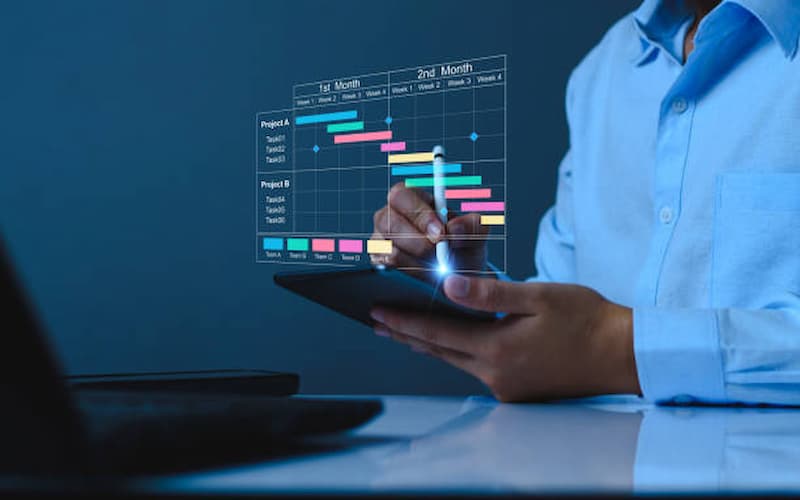
Gantt charts and progress bars provide a clear visual representation of project status.
Teams can attach proof of completion, such as images or inspection reports.
Different stakeholders see different levels of project detail based on their roles.
Stakeholders always know the exact status of the project without waiting for reports.
Project managers can respond immediately to delays or issues.
Resources like labor, materials, and equipment can be reallocated quickly.
Early detection of issues prevents small delays from becoming major setbacks.
Teams are more responsible when their progress is tracked in real time.
Clients receive transparent updates, improving trust and satisfaction.
Despite advanced tools, companies still face challenges:
If field teams fail to update progress regularly, dashboards become inaccurate.
Remote construction sites may face connectivity issues affecting real-time syncing.
Teams may not fully understand how to use tracking systems effectively.
Breaking projects into too many micro-milestones can create confusion.
Some teams prefer traditional reporting methods, slowing down implementation.
Each milestone should have a clear definition of completion.
Ensure all teams use the same format for updates.
Proper training ensures accurate and timely updates.
Mobile apps make it easier for field workers to update progress instantly.
Reduce manual reporting by integrating sensors and automated data collection.
Check system data against actual site progress to ensure accuracy.
A large infrastructure project involving highway construction previously relied on weekly progress reports. This caused frequent delays because issues were only identified after they had already impacted timelines.
After implementing a real-time tracking system, project managers were able to:
The project became significantly more predictable and easier to manage, with fewer last-minute disruptions.
The future of milestone tracking is becoming more intelligent and automated:
These innovations will make project management more precise and proactive.
Real-time milestone tracking has transformed how construction and infrastructure projects are managed. Instead of waiting for reports, project managers now have instant visibility into progress, allowing them to make faster and more informed decisions.
By combining mobile reporting, cloud systems, IoT devices, and analytics, organizations can significantly improve project efficiency and reduce delays. As construction projects become larger and more complex, real-time milestone tracking is no longer just a convenience—it is a critical requirement for successful project delivery.

© 2025 Crivva - Hosted by Airy Hosting Managed Website Hosting.