

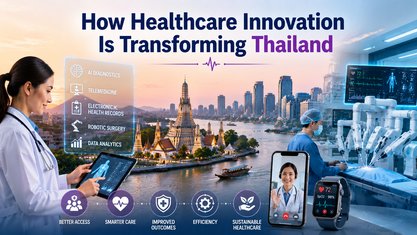
Thailand’s healthcare sector is experiencing a remarkable transformation as the country continues to strengthen its healthcare infrastructure, expand access to medical services, and embrace cutting-edge healthcare technologies. Rising public healthcare investments, an aging population, and increasing demand for specialized treatments are reshaping the nation’s healthcare landscape. These developments are not only improving healthcare outcomes for citizens but also reinforcing Thailand’s position as one of Southeast Asia’s leading healthcare destinations.
Over the past decade, Thailand has made significant progress in building a healthcare system that balances accessibility, quality, and innovation. Both public and private healthcare providers are investing in modern facilities, advanced medical equipment, and digital health solutions to address evolving patient needs. As healthcare demand continues to rise, the country is leveraging technology and strategic healthcare reforms to create a more efficient and patient-centered healthcare ecosystem.
According to MarkNtel Advisors’ Thailand Healthcare Market Report, the industry is projected to grow from USD 37.65 billion in 2026 to USD 61.38 billion by 2032, registering a CAGR of 8.49% during the forecast period. The report highlights cardiovascular diseases as the leading therapeutic area, emphasizing the growing importance of chronic disease management and preventive healthcare services within the country.
One of the most significant contributors to Thailand’s healthcare development is its commitment to universal health coverage. The country has been widely recognized for creating a healthcare system that provides affordable medical services to the majority of its population. This approach has helped reduce healthcare inequalities and improve access to preventive care, diagnostics, and specialized treatments.
Universal health coverage has encouraged more individuals to seek medical attention at earlier stages of disease development, resulting in better treatment outcomes and reduced healthcare costs over time. Increased healthcare accessibility has also supported the growth of hospitals, clinics, diagnostic laboratories, and community healthcare centers throughout the country.
Government initiatives aimed at strengthening healthcare infrastructure continue to attract investments in medical facilities and healthcare technologies. As healthcare demand grows, providers are expanding service offerings and improving patient care capabilities across both urban and rural regions.
Digital transformation has become a cornerstone of Thailand’s healthcare modernization efforts. Healthcare providers are increasingly adopting technologies such as electronic medical records (EMRs), telemedicine platforms, artificial intelligence (AI)-powered diagnostics, and remote patient monitoring systems. These innovations are helping healthcare organizations deliver more efficient, accurate, and personalized care.
The implementation of electronic health records allows healthcare professionals to access patient information quickly, improving coordination between departments and reducing administrative inefficiencies. Digital records also enhance patient safety by minimizing medical errors and supporting evidence-based clinical decision-making.
Telemedicine has emerged as an especially valuable healthcare solution, enabling patients to consult physicians remotely without the need for physical visits. This capability is particularly beneficial for individuals living in remote or underserved areas where access to specialists may be limited. According to the World Health Organization (WHO), digital health technologies have become increasingly important in improving healthcare accessibility and strengthening health systems worldwide.
Artificial intelligence is also playing a growing role in Thailand’s healthcare sector. AI-powered tools can assist physicians in disease detection, medical imaging analysis, and treatment planning, helping improve diagnostic accuracy and patient outcomes while reducing workloads for healthcare professionals.
Thailand is witnessing increased adoption of smart hospital initiatives designed to improve healthcare delivery and operational performance. Smart hospitals integrate advanced technologies such as Internet of Things (IoT) devices, connected medical equipment, data analytics platforms, and automated monitoring systems.
These technologies enable healthcare providers to collect and analyze real-time patient data, optimize resource utilization, and improve clinical decision-making. Automated patient monitoring systems can alert healthcare professionals to changes in patient conditions, allowing for faster interventions and improved safety.
IoT-enabled devices are also streamlining hospital operations by tracking medical equipment, managing inventory, and reducing administrative burdens. These efficiencies contribute to better patient experiences while helping healthcare facilities control operational costs.
In addition, wearable health technologies are becoming increasingly popular among patients. Devices that monitor heart rate, blood pressure, glucose levels, and physical activity are supporting preventive healthcare strategies and empowering individuals to take a more active role in managing their health.
The increasing prevalence of non-communicable diseases (NCDs) is creating significant demand for chronic disease management services throughout Thailand. Conditions such as cardiovascular disease, diabetes, cancer, and chronic respiratory illnesses require ongoing monitoring, long-term treatment plans, and multidisciplinary care approaches.
Healthcare providers are responding by expanding specialized treatment centers and investing in advanced diagnostic technologies. The ability to detect diseases earlier allows healthcare professionals to implement timely interventions that improve patient outcomes and reduce long-term healthcare expenditures.
Preventive healthcare initiatives are also becoming a central focus. Public health campaigns promoting healthy lifestyles, regular health screenings, and disease awareness are helping reduce risk factors associated with chronic illnesses. According to the WHO Noncommunicable Diseases Program, NCDs remain one of the leading causes of mortality worldwide, making prevention and early intervention critical priorities for healthcare systems.
The increasing use of remote patient monitoring solutions is further supporting chronic disease management. Patients can now share real-time health data with healthcare providers, enabling continuous monitoring and more proactive treatment strategies.
Thailand has established itself as one of the world’s leading destinations for medical tourism. The country attracts international patients seeking high-quality healthcare services at competitive costs. Its reputation is supported by internationally accredited hospitals, highly trained medical professionals, and modern treatment facilities.
Medical tourists visit Thailand for a wide range of procedures, including cardiovascular treatments, orthopedic surgeries, cosmetic procedures, fertility treatments, and cancer care. The combination of advanced medical expertise and affordability continues to make Thailand an attractive option for patients from Asia, the Middle East, Europe, and North America.
The growth of medical tourism is encouraging healthcare providers to continuously invest in new technologies and specialized treatment capabilities. These investments often benefit local patients as well, creating broader improvements in healthcare quality and service availability. According to the Medical Tourism Association, Thailand remains among the most recognized medical tourism destinations globally.
Thailand’s demographic changes are significantly influencing healthcare demand. As life expectancy increases and the proportion of elderly citizens grows, healthcare providers are facing greater demand for age-related medical services, long-term care, and chronic disease treatment.
Older adults often require more frequent medical consultations, specialized treatments, rehabilitation services, and ongoing health monitoring. This trend is driving investments in geriatric care facilities, home healthcare services, and digital health solutions designed specifically for aging populations.
The healthcare sector is increasingly focusing on preventive care strategies that promote healthy aging and improve quality of life for senior citizens. These efforts are expected to play a crucial role in managing future healthcare demands while reducing pressure on hospitals and healthcare systems.
Despite strong growth opportunities, Thailand’s healthcare sector faces several challenges. Healthcare workforce shortages remain a concern, particularly in specialized medical fields and rural regions. Rising healthcare costs, increasing patient expectations, and growing demand for advanced treatments continue to place pressure on healthcare providers.
Addressing these challenges will require sustained investments in medical education, workforce development, healthcare infrastructure, and digital transformation initiatives. Strengthening healthcare workforce capacity will be essential to ensuring long-term service quality and accessibility.
Looking ahead, innovation is expected to remain a key driver of healthcare development in Thailand. Continued adoption of artificial intelligence, telemedicine, smart hospital technologies, and data-driven healthcare solutions will support more efficient and personalized patient care. Combined with ongoing government support and private-sector investment, these advancements are likely to strengthen Thailand’s healthcare ecosystem and improve healthcare outcomes for millions of people.
As the country continues to modernize its healthcare system, Thailand is well-positioned to remain a regional leader in healthcare innovation, medical tourism, and patient-centered care. The sector’s continued evolution will not only enhance public health but also contribute significantly to the nation’s long-term economic and social development.

© 2025 Crivva - Hosted by Airy Hosting Managed Website Hosting.