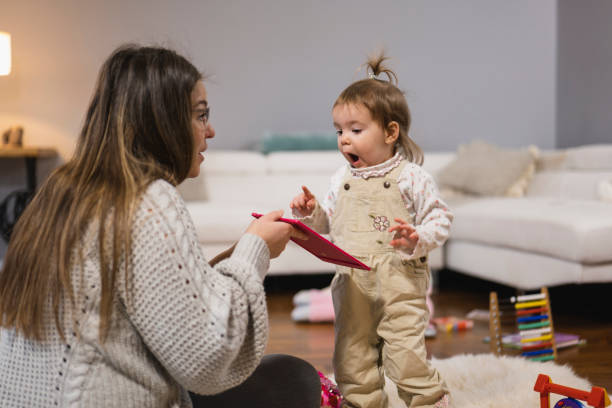
When families look for quality early childhood education, one of the biggest benefits is how it helps children build strong language skills. From first words to full sentences, the early years are a critical time for communication growth. A well-planned learning setting gives children daily chances to listen, speak, and understand language in a natural and engaging way.
Let’s look at how early education shapes language development and why it matters so much for young children.
Language is more than just talking. It includes listening, understanding, expressing ideas, and connecting with others. In the early years, a child’s brain develops quickly, making it the perfect time to build these skills.
Children who develop strong language abilities early often:
Early learning environments support this growth in ways that go beyond what most children experience at home.
In a quality childcare setting, children are constantly surrounded by conversation. Educators speak with children throughout the day—during play, meals, and group time.
Simple moments like:
help children learn new words and sentence patterns naturally.
For example, during snack time, an educator might say, “Would you like more apple?” This small interaction builds understanding and encourages children to respond.
Play is one of the most powerful ways children learn language. Whether it’s pretend play, building blocks, or role-playing games, children practise talking while having fun.
During play, children:
For instance, when children play “shop,” they use everyday words like “buy,” “sell,” and “money.” These experiences help them connect words with real-life meaning.
Reading plays a big role in language development. Early education settings often include daily storytime sessions where children listen to books, repeat phrases, and discuss pictures.
This helps children:
When educators ask questions like “What do you think happens next?”, children start thinking and speaking in more complete sentences.
Songs and rhymes are not just fun—they are also great for language learning. Repeating words and rhythms helps children remember sounds and patterns.
Activities like:
help children build pronunciation and memory skills.
Many children begin by copying sounds before forming clear words, and music helps bridge that gap.
Language grows when children interact with others. Group activities in early learning settings encourage children to talk, listen, and take turns.
These experiences help children:
For example, during group discussions, children learn to wait, listen, and respond appropriately.
Children in early learning environments are exposed to a wide range of words daily. This helps them build a richer vocabulary compared to limited exposure at home.
Listening is just as important as speaking. Structured activities like storytime and group play teach children how to focus and understand spoken language.
Children who can express themselves clearly feel more confident. They are more likely to participate in activities and share their thoughts.
Language development is closely linked to reading and writing. Children who understand sounds, words, and sentences early find it easier when they start school.
Being able to communicate helps children manage emotions and build friendships. They learn how to express feelings instead of getting frustrated.
Let’s look at how language development happens in everyday situations:
These simple moments add up and play a big role in language growth.
While early education plays a strong role, parents can also support language development at home.
Speak with your child throughout the day. Even simple conversations help build understanding.
Reading books regularly introduces new words and ideas. Ask questions and let your child respond.
Give your child time to speak and respond to what they say. This shows that their voice matters.
Ask your child to talk about their day or tell a simple story. This helps build sentence structure and confidence.
Too much screen time can reduce real conversations. Focus on face-to-face interaction instead.
If you’re choosing a childcare centre, consider how it supports language development.
Look for:
These factors make a big difference in how children develop communication skills.
Early education plays a key role in shaping a child’s language development. Through daily conversations, play, reading, and social interaction, children build the skills they need to communicate with confidence.
The early years set the foundation for future learning. When children are given the right support at the right time, they grow into strong communicators who are ready for school and beyond.
Language development begins from birth. Babies start by recognising sounds and gradually move to words and sentences as they grow.
Childcare provides daily interaction, structured activities, and social experiences that encourage children to speak and listen more often.
Every child develops at their own pace. Regular interaction, reading, and speaking with your child can help support their progress.
Yes, books introduce new words, improve listening skills, and help children understand how language works.
Yes, play encourages children to talk, ask questions, and express ideas, making it a natural way to build language.

© 2025 Crivva - Hosted by Airy Hosting Managed Website Hosting.