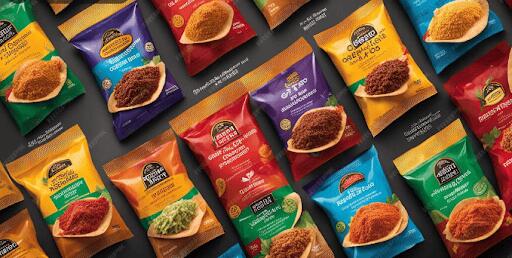
If you walk down any supermarket aisle today, you’ll notice a seismic shift happening on the shelves. The era of muted colors, subtle typography, and minimalist artisanal packaging is rapidly giving way to a distinctly unapologetic and maximalist aesthetic.
This bold and vibrant trend is called Dopamine Design, and it’s intentionally engineered to trigger a tiny hit of the “feel-good” neurotransmitter in your brain!
However, don’t think dopamine design is just bright colors. It’s actually a calculated psychological strategy that operates on the brain’s reward system. In a world saturated with digital content and competing for attention, food packaging has to perform instantly. Find out how unlimited graphic design services are prioritizing this trend in the physical world and on social media feeds.
The Anatomy of Dopamine Design Packaging
The goal of this design style is to be visually arresting, injecting a sense of joy, optimism, and playfulness into everyday routines. It’s a direct cultural response to years of global stress. Consumers now actively seek out products that provide a momentary, cheerful escape. And graphic design subscription services in Santa Clara, California, are providing just that!
Key Elements
The elements that define dopamine design include:
For the logo, this unlimited graphic design service in Santa Clara incorporated the Mesoamerican feathered serpent deity Quetzalcoatl in it. In bold pink, turquoise, blue, and orange, they created a logo that captures every Latinx community in an easily recognizable symbol. It grabs attention, connects to culture, and looks great on everything!
Major food and beverage brands are ditching subtlety. Specifically, those targeting younger, digitally native generations are opting for this new, powerful visual language. So, how are branding and graphic design services working with this style for brands?
The rise of dopamine design is a direct response to two major factors: the saturation of the digital feed and the desire for authentic, emotional connection. In a world where food is often first encountered on Instagram or TikTok, packaging must possess ‘scroll-stopping’ power. Minimalist, muted designs, while once a sign of quality, often fade into the background noise. Dopamine design is explicitly engineered to be shareable, generating organic social media buzz that functions as a powerful form of free marketing. The vibrant colors and maximalist patterns are essentially an invitation to click, share, and tag.
Omsom is a brand specializing in Asian meal starters, and it’s a prime example of the maximalist approach.
Their packaging is an explosion of clashing neon colors, bold color-blocking, and chunky typography. It actively rejects the muted, minimalist aesthetic often associated with authentic or artisanal products. Omsom has positioned itself with unapologetic fun and flavor. This instantly signals a high-energy, exciting culinary experience that you want to display on your counter.
This brand has moved away from the reserved, dark-label look common in specialty condiments. Fly by Jing uses vibrant red and bright yellow with bold, almost hand-painted graphic elements and a dynamic logo.
The design is less about whispering exclusivity and more about shouting flavor and excitement! The package itself feels like a celebration, creating a crave-worthy visual expectation before the product is even opened.
Categories like chocolate are often considered to be traditionally high-end. But they are embracing the shift as well!
Speciality chocolate companies, such as Confiserie Walter, have swapped the classic metallic tones and embossed lettering for striking typography with a sense of high-energy modernity. This design choice aims to evoke immediate, joyful excitement among shoppers. It helps to differentiate the product from its more elegant, restrained competitors.
4. Graza Olive Oil:
The Dopamine Approach: Graza has completely upended the traditionally reserved look of premium olive oil, which often features dark glass bottles and minimalist paper labels. Instead, they use a bright, sunny yellow squeeze bottle—a color that immediately signals energy and positivity.
The Effect: This design makes the product feel incredibly approachable and playful, moving it from a hidden pantry staple to a countertop accessory. The squeeze bottle format itself adds a sense of effortless, instant use, aligning the product with the gratification and convenience central to the dopamine trend. It’s an everyday luxury that is visually fun.
Ultimately, dopamine design is the industry’s way of battling for the consumer’s most precious commodity: attention. And unlimited graphic design services are doing an amazing job!
The Instinctive Purchase
The mentioned brands are directly tapping into the brain’s reward system by prioritizing visual joy. This has ensured we choose their products instinctually and not just logically.
Beyond the packaging, this aesthetic is carried through all brand touchpoints—from website design to social media content—creating a cohesive, high-octane personality.
This shift in food branding mirrors a broader cultural pivot towards self-expression and the rejection of formality. Consumers, particularly Gen Z, value brands that feel approachable, honest, and that don’t take themselves too seriously. Dopamine design is a colorful, necessary pivot that acknowledges that in the modern marketplace, “feeling good” is just as important as tasting good! It’s the visual sugar rush that promises a delightful experience, making the purchase feel like a small, necessary act of self-care and indulgence.
Dopamine design is a colorful, necessary pivot that acknowledges that in the modern marketplace, “feeling good” is just as important as tasting good!

© 2025 Crivva - Hosted by Airy Hosting Managed Website Hosting.