


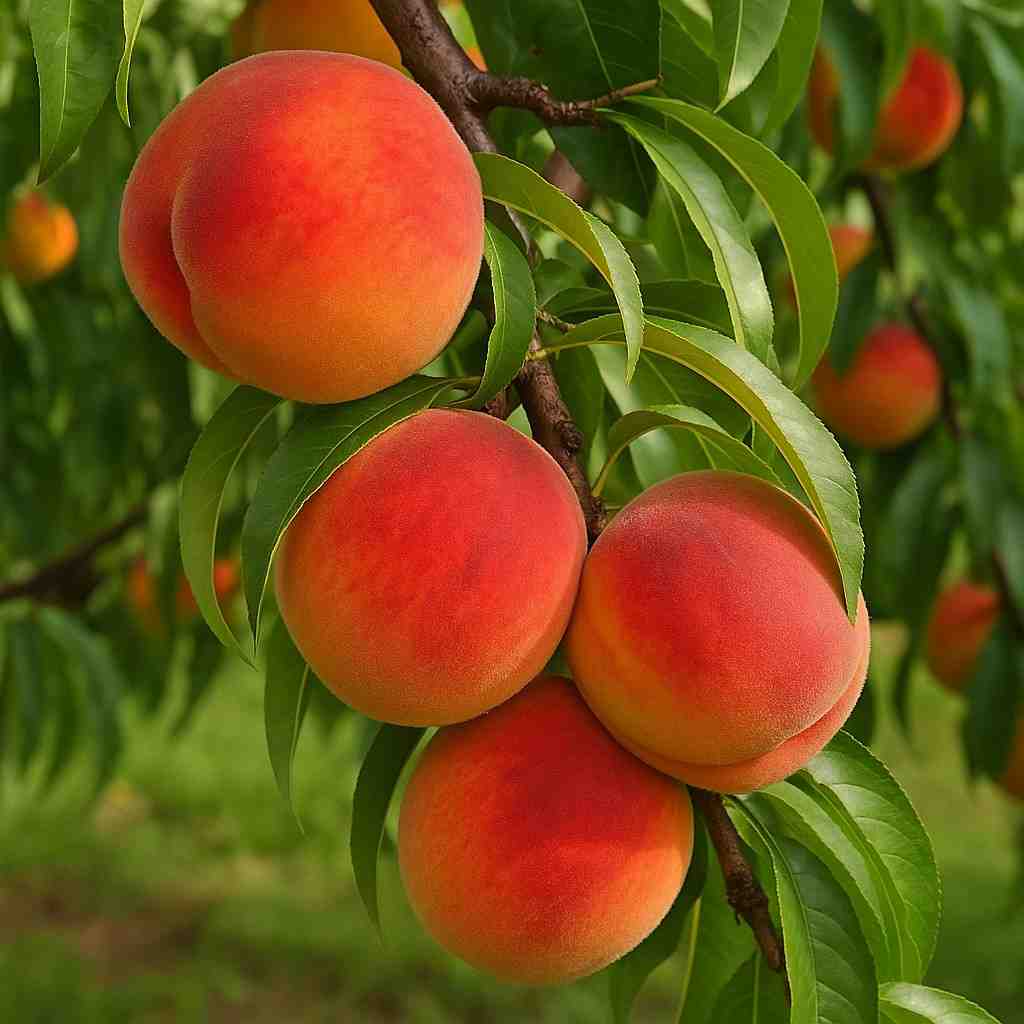
Spring is the most exciting season for peach growers. As temperatures rise and days grow longer, your Elberta peach tree begins to wake up from winter dormancy. Tiny buds swell, blossoms appear, and the tree prepares for a season of rapid growth.
Peaches need spring care if they are going to be juicy and sweet in summer. Proper watering, pruning, feeding, and protection during this time directly affect fruit size, flavour, and overall tree health.
In this complete guide, you’ll learn everything about Elberta peach tree spring care, including pruning, watering, fertilizing, frost protection, and pest prevention, all explained in a simple, beginner-friendly way.
During winter, your peach tree remains dormant. In early spring, it shifts from dormancy to active growth. This transition is critical.
Here’s why spring care matters:
If you ignore spring maintenance, your tree may produce fewer fruits, smaller peaches, or become vulnerable to disease. Proper peach tree fertilizing, pruning, and watering during this stage ensures strong growth and better harvest results.
Timing is very important for successful spring care of Elberta peach trees.
You should begin:
One of the most searched questions is “when to prune a peach tree in spring.” The answer: prune just before new growth starts, while the tree is still mostly dormant, but frost risk is low.
Watch for these signs that your tree is waking up:
Starting care at the right time prevents stress and improves fruit development.
The most important task of spring is pruning.
Without pruning, peach trees can become overcrowded and produce small, low-quality fruit.
Prune in late winter or very early spring before blooming begins.
How to Prune (Step-by-Step)
This open structure helps sunlight reach every part of the tree, enhancing peach sweetness and colour.
Watering properly in spring sets the stage for healthy fruit growth.
Water slowly and deeply so moisture reaches 12–18 inches into the soil. Avoid shallow watering.
Root rot and fungal issues can be caused by too much water. Always check soil moisture before watering. There should be moisture in the soil, but it should not be soggy.
Healthy watering supports strong root development and better fruit formation.
Correct spring feeding of peach trees boosts growth and fruit production.
Use a nitrogen-rich fertilizer in early spring. Nitrogen supports leaf and shoot growth.
Many gardeners search for the best fertilizer for Elberta peach trees, and typically, a balanced fruit tree fertilizer or compost works well.
Always avoid over-fertilizing, as excess nitrogen can reduce fruit production and promote excessive leafy growth.
Proper peach tree fertilizing ensures healthy blossoms and bigger peaches.
Fruit yield can be reduced or damaged by spring frosts.
Peach blossoms are sensitive. A late frost can kill flowers, preventing fruit formation.
Monitoring weather forecasts during bloom season is essential.
As spring approaches, pests and diseases become more active.
Common issues include:
Early prevention reduces the need for strong chemical treatments later.
Mulching is simple but highly effective.
Spread a 2–3 inch layer of mulch around the base of the tree, keeping it a few inches away from the trunk to help prevent rot.
Healthy soil leads to strong fruit trees and better harvest quality.
If you follow all these steps, here’s what happens:
With proper care, your tree will reward you with sweet, juicy peaches perfect for fresh eating, baking, and preserving.
This simple checklist helps ensure successful Elberta peach tree spring care every year.
Spring is the foundation of your peach harvest. Proper pruning, watering, fertilizing, frost protection, and pest control all play a critical role in fruit production.
By following this complete guide to Elberta peach tree spring care, you set your tree up for healthy growth and abundant summer peaches.
Whether you’re expanding your home orchard or searching for the best peach trees for sale, starting with proper seasonal care makes all the difference.
Give your tree the attention it needs this spring and enjoy the reward of sweet, sun-ripened peaches in summer.

© 2025 Crivva - Hosted by Airy Hosting Managed Website Hosting.