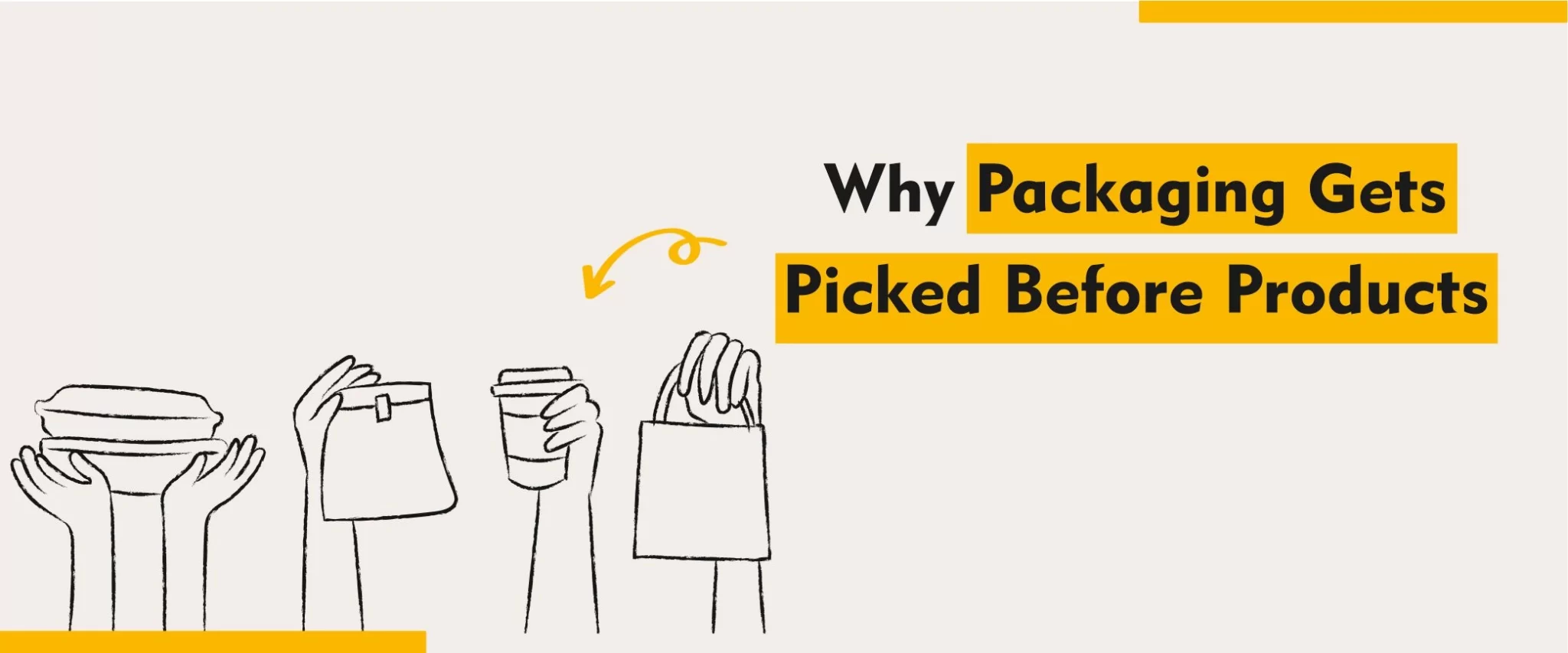


The relationship between packaging and brand perception is one of the most consistently validated findings in consumer research, yet it is one that many brand owners underweight in their packaging investment decisions.
Understanding the mechanism and the evidence for packaging’s impact on brand trust and purchase behavior helps brands make packaging decisions that are grounded in commercial reality rather than cost-minimization instinct.
In most retail environments, physical or digital, packaging is the first tangible brand touchpoint a consumer encounters. Before they read a product description, before they speak to a salesperson, before they open a bottle or taste a food, they see and touch the package.
This means the package carries an outsized responsibility: it must communicate the brand’s value proposition, quality level, and personality in the seconds before any other information reaches the consumer.
Consumer psychology research on first impressions, from the work of Naomi Mandel on color and purchase intent to research on the role of packaging in food perception, consistently demonstrates that packaging characteristics influence perceived product quality.
This effect is not trivial or marginal; it is measurable in purchase conversion, price acceptance, and consumer satisfaction ratings for the product itself.
Brand perception in the context of packaging is a composite of several distinct consumer judgments that occur largely unconsciously within the first few seconds of product encounter:
Consumers use packaging as a proxy for product quality. Heavier, more substantial packaging (rigid boxes vs. flimsy cartons), better materials (matte laminate vs. uncoated board), and more precise construction (tight-fitting lids vs. loose-fitting boxes) all signal higher product quality before the product itself is evaluated.
Research in the food industry has shown that identical food products score higher in taste evaluations when presented in premium packaging versus standard packaging.
Packaging consistency, materials, colors, finishes, and structural formats that are coherent across a product line and stable over time build brand authenticity.
Consumers who encounter a brand’s distinctive packaging multiple times across different retail contexts develop a cognitive association between the visual/tactile package identity and the brand.
This recognition is commercially valuable: it enables rapid purchase decisions and reduces competitive substitution.
For brands in natural food, wellness, clean beauty, and eco-conscious consumer categories, packaging material choice is an authenticity signal. Kraft paper packaging, for example, communicates environmental responsibility without a single word of copy.
Plastic packaging in the same product category creates a credibility gap that brand messaging cannot fully close.
Here’s what most buyers overlook: packaging is the only brand communication that reaches every customer, every time, for the full life of the product.
Digital advertising reaches a subset of potential buyers; in-store signage reaches those who visit, but packaging reaches everyone who buys the product, at the moment that matters most, and again every time they use it.
The emergence of unboxing as a social media phenomenon has created a new commercial dynamic in direct-to-consumer packaging.
When consumers share unboxing content on YouTube, TikTok, or Instagram, they are providing the brand with unpaid media reach and third-party endorsement, but only if the packaging provides an unboxing experience worth documenting.
Analysis of unboxing content across categories consistently shows that branded interior packaging, tissue paper, thank-you cards, product cards, and branded void fill drive significantly higher sharing rates than generic brown box shipping.
The incremental cost of branded interior packaging ($0.30–$1.50 per shipment, depending on components) is typically justified against the earned media value of organic unboxing content.
One of the most commercially significant effects of premium packaging is its impact on consumer price acceptance.
In consumer research studies where identical products are presented in different packaging quality levels, consumers consistently indicate a higher willingness to pay for products in premium packaging, even when they are told that the packaging is the only variable.
This effect is most pronounced in categories where product quality is difficult to assess before purchase (supplements, skincare, food ingredients) and where there is a strong signal-to-quality association for packaging materials (luxury goods, gift products, premium food).
The commercial case for investing in packaging quality is not universal; it is category-specific and customer-specific. For brands whose customers make highly price-sensitive commodity purchases, packaging investment above functional adequacy may not generate returns.
For brands in quality-differentiated, experience-driven, or prestige categories, packaging is a revenue driver, not just a cost.
The practical questions to answer are:
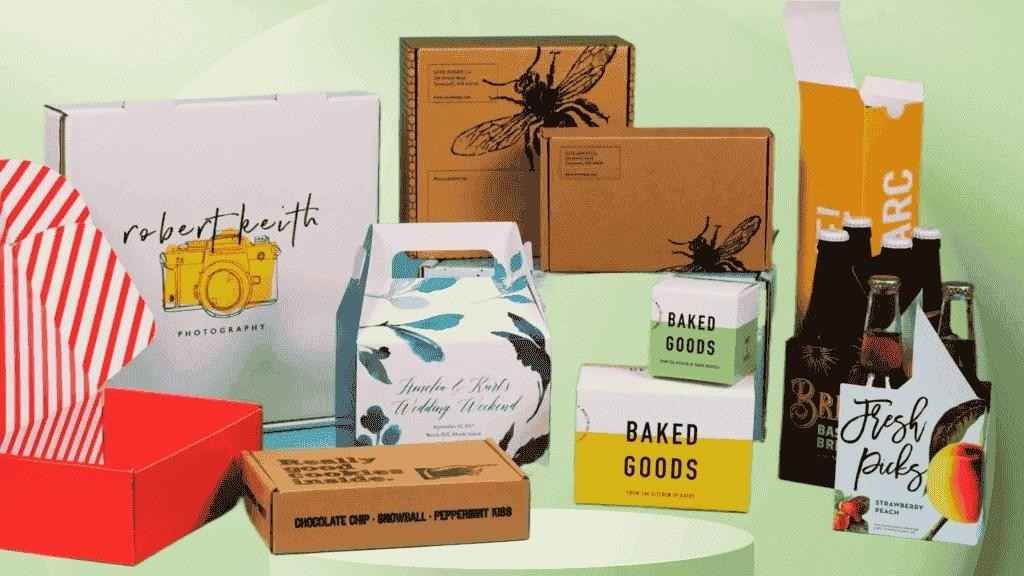
Alpha Global Packaging works with brands across Rigid, Kraft, Cardboard, and Mylar formats to deliver custom packaging that aligns with brand positioning, whether that means premium rigid box presentation for luxury retail or custom-printed Kraft mailers for sustainable e-commerce brands.
Packaging is much more than a simple product container. It influences how customers see a brand, how much they trust it, and whether they believe the product is worth buying.
From retail shelves to e-commerce unboxing experiences, good packaging helps create strong first impressions and lasting customer connections.
Brands that invest in packaging that matches their product quality and brand identity often gain better recognition, stronger customer confidence, and improved price acceptance.
On the other hand, weak packaging can reduce the perceived value of even a high-quality product and affect long-term customer loyalty over time.
The goal is not to spend more just for appearance, but to choose packaging that supports the brand story and meets customer expectations.
When designed correctly, packaging becomes a powerful business tool that helps brands stand out, build trust, and leave a memorable impression long after the purchase is made, consistently driving stronger customer engagement and growth.

© 2025 Crivva - Hosted by Airy Hosting Managed Website Hosting.