

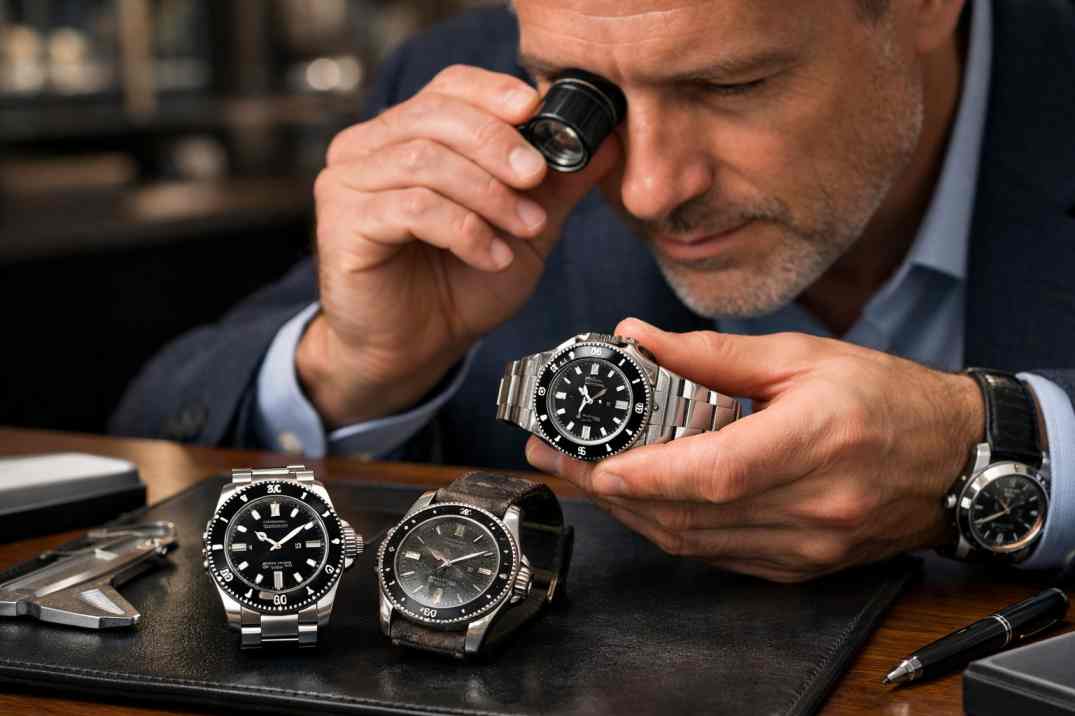
When you sell a luxury or branded watch, one thing matters more than almost anything else — condition. Every watch buyer looks closely at how your watch looks, works, and is maintained before giving a price.
Two watches of the same brand and model can get very different offers. One may sell for thousands more just because it is in better condition. Many sellers do not know this and feel confused when they get a low offer.
In this blog, you will learn in very simple English how the condition of your watch affects the price, what buyers check, and how you can get the best value when selling to a watch buyer.
What Does “Condition” Mean to a Watch Buyer?
Condition means the overall state of your watch. A watch buyer checks both appearance and performance.
Condition includes:
-
How the watch looks
-
How well it works
-
If parts are original
-
How it was cared for
Even small issues can lower the price.
Why Condition Matters So Much to Watch Buyers
Watch buyers resell watches. To do that, they want watches that:
-
Look good
-
Work properly
-
Need little repair
If a watch needs fixing, cleaning, or parts replacement, the buyer will deduct repair costs from the offer.
👉 Better condition = higher resale value.
External Condition: What the Watch Looks Like
The first thing a watch buyer notices is how the watch looks.
Scratches and Marks
Scratches reduce value.
-
Light hairline scratches are normal
-
Deep scratches lower the price
-
Cracks on glass are a big problem
A watch with many scratches may look old and poorly cared for.
Case Condition
The case holds the watch.
Buyers check:
-
Dents
-
Polishing damage
-
Sharp edges
Over-polishing can reduce value because it changes the original shape.
Bracelet or Strap Condition
Bracelets and straps matter more than sellers think.
Watch buyers check:
-
Stretch in metal bracelets
-
Broken links
-
Worn leather straps
Original bracelets increase value. Missing or damaged ones reduce the offer.
Dial and Hands Condition
The dial is the face of the watch.
Dial Issues That Lower Price
-
Fading
-
Stains
-
Water marks
-
Repainted dials
Original dials are very important to watch buyers. Even small changes can lower value.
Hands and Markers
Watch buyers check if:
-
Hands are original
-
Markers are intact
-
Lume is original
Replaced or damaged hands can reduce the price.
Internal Condition: How the Watch Works
A watch buyer always checks if the watch works properly.
Movement Condition
The movement is the engine of the watch.
Buyers test:
-
Time accuracy
-
Smooth movement
-
Power reserve
If the watch runs slow or stops, the price drops.
Service History
A serviced watch is worth more.
If you have:
-
Service receipts
-
Proof of maintenance
You will likely get a better offer.
⏱ Watches not serviced for years often need repairs, and buyers deduct those costs.
Water Damage and Rust
Water damage is a big red flag for any watch buyer.
Signs include:
-
Fog under glass
-
Rust inside
-
Discolored dial
Water-damaged watches lose a lot of value, even if they still work.
Original Parts vs Replacement Parts
Watch buyers prefer original parts.
Parts That Must Be Original
-
Dial
-
Hands
-
Crown
-
Movement
Aftermarket or fake parts reduce value sharply.
📉 Even one non-original part can lower the price by 20–40%.
Box and Papers: Do They Affect Price?
Yes, they do.
Why Box and Papers Matter
Box and papers:
-
Prove authenticity
-
Show ownership history
-
Increase trust
A watch with box and papers can sell for 10–30% more.
Missing Box and Papers
You can still sell without them, but:
-
Buyers may offer less
-
Authentication takes longer
Always keep boxes and documents if you plan to sell later.
How Watch Buyers Grade Condition
Most watch buyers use simple condition levels.
Common Condition Grades
-
Like New – Almost perfect
-
Excellent – Very minor wear
-
Good – Visible wear but working
-
Fair – Heavy wear or small issues
-
Poor – Not working or damaged
The lower the grade, the lower the price.
Real Example: Same Watch, Different Condition
Two sellers had the same watch model.
Seller A:
-
Light scratches
-
Original parts
-
Recently serviced
-
Box and papers
Offer: $7,500
Seller B:
-
Deep scratches
-
No service history
-
Aftermarket strap
-
No box
Offer: $4,800
Condition made a $2,700 difference.
How to Improve Condition Before Selling
You cannot fix everything, but small steps help.
Clean the Watch Gently
-
Use a soft cloth
-
Remove dust and fingerprints
-
Do not use harsh chemicals
A clean watch looks better instantly.
Do NOT Over-Polish
Many sellers make this mistake.
Over-polishing:
-
Removes metal
-
Reduces sharp edges
-
Lowers collector value
Only polish if advised by a professional.
Fix Small Issues (If Worth It)
Simple fixes may help:
-
Replace broken strap
-
Tighten loose bracelet
Avoid expensive repairs unless a watch buyer recommends it.
What a Watch Buyer Will Ask You
Be ready to answer simple questions.
Common questions:
-
Is the watch working?
-
Has it been serviced?
-
Are parts original?
-
Do you have box and papers?
Honest answers build trust and avoid problems later.
Tips to Get the Best Price from a Watch Buyer
Follow these tips to get more value.
Get Multiple Quotes
Never sell to the first watch buyer.
Visit:
-
2–3 professional buyers
-
Authorized dealers
-
Trusted resellers
Compare offers.
Choose a Reputable Watch Buyer
A good watch buyer:
-
Explains pricing
-
Inspects openly
-
Gives written offers
Avoid buyers who rush you.
Be Honest About Condition
Hiding damage does not help.
Experienced watch buyers will find issues during inspection. Honesty builds better deals.
Online vs Local Watch Buyers
Condition matters in both cases.
Selling Online
Pros:
-
More buyers
-
Competitive prices
Cons:
-
Shipping risk
-
Condition disputes
Always take photos before shipping.
Selling Locally
Pros:
-
Face-to-face inspection
-
Instant payment
Cons:
-
Fewer offers
Choose what feels safer for you.
Common Mistakes Sellers Make
Avoid these mistakes:
-
Not cleaning the watch
-
Hiding damage
-
Over-polishing
-
Accepting the first offer
These mistakes cost money.
Conclusion
Condition plays a huge role in how much a watch buyer will pay. The better your watch looks and works, the higher the offer you will receive.
Remember:
-
Scratches, damage, and missing parts reduce value
-
Original parts and service history increase price
-
Box and papers matter
-
Honest, careful selling brings better results
Before you sell, take a little time to understand your watch’s condition. That small effort can help you get the best possible price from a trusted watch buyer.










