

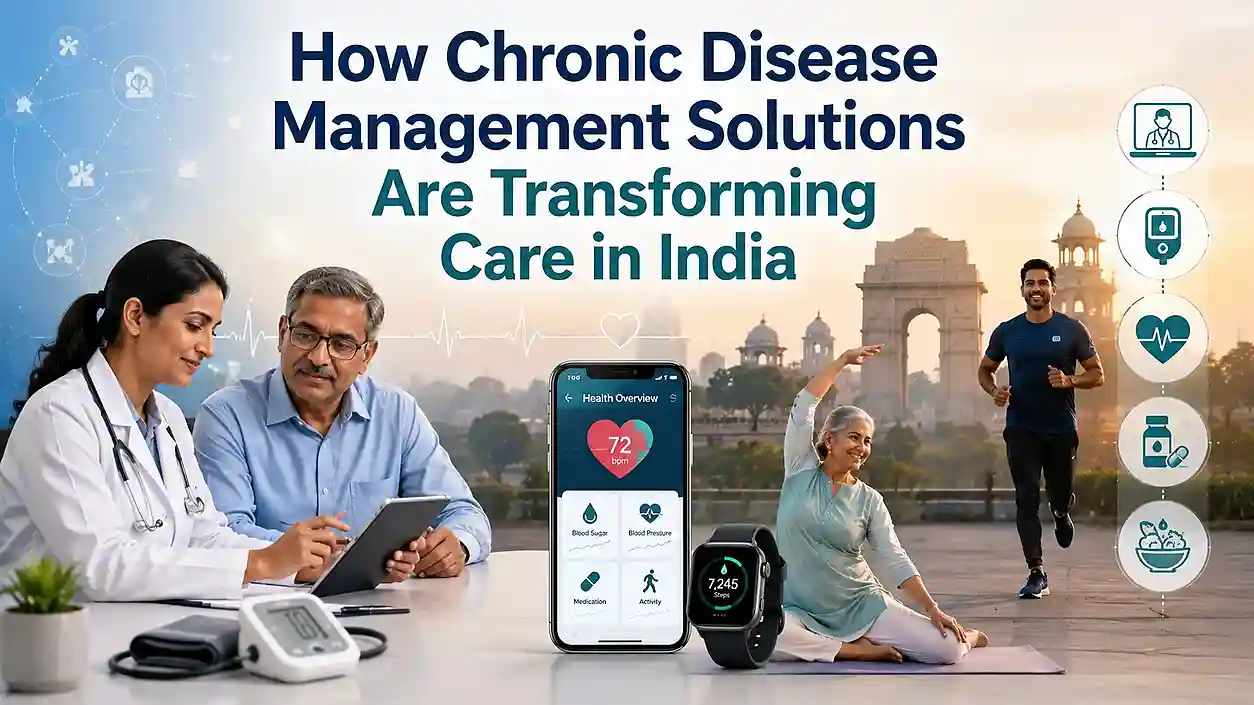
India is experiencing a significant shift in its healthcare landscape as chronic diseases become one of the country’s most pressing health challenges. Conditions such as diabetes, hypertension, cardiovascular diseases, chronic respiratory disorders, and obesity are affecting millions of people and placing immense pressure on healthcare systems. Unlike acute illnesses that require short-term treatment, chronic diseases demand continuous monitoring, long-term care plans, and consistent patient engagement.
As healthcare providers strive to improve outcomes while managing growing patient volumes, chronic disease management solutions are emerging as a critical component of modern healthcare delivery. These solutions combine digital technologies, remote monitoring tools, telehealth services, data analytics, and personalized care programs to help patients better manage their conditions while reducing the burden on hospitals and clinics. The growing adoption of these technologies is transforming how healthcare is delivered across India.
The increasing demand for such solutions is also creating strong industry momentum. According to the India Chronic Disease Management Solutions report by MarkNtel Advisors, the industry was valued at approximately USD 689 million in 2025 and is projected to reach nearly USD 1,419 million by 2032, growing at a CAGR of around 10.87% during 2026–2032. This growth reflects the rising focus on preventive healthcare, digital transformation, and patient-centered care models.
India has witnessed a sharp increase in lifestyle-related diseases over the past decade. Urbanization, changing dietary habits, sedentary lifestyles, rising stress levels, and an aging population have contributed significantly to the growing prevalence of chronic illnesses. Managing these conditions often requires regular medical consultations, medication adherence, continuous monitoring, and lifestyle modifications.
Traditional healthcare systems frequently struggle to provide the level of ongoing support that chronic disease patients require. Missed appointments, lack of follow-up care, poor medication compliance, and delayed diagnosis of complications can lead to worsening health outcomes. Chronic disease management solutions address these challenges by enabling continuous engagement between patients and healthcare providers, helping individuals stay on track with their treatment plans.
Technology has become the foundation of modern chronic disease management programs. Digital health platforms allow healthcare providers to collect, analyze, and act upon patient data in real time, creating opportunities for more proactive and personalized care.
Mobile health applications have become particularly valuable in helping patients manage chronic conditions. These apps allow individuals to track medication schedules, monitor symptoms, record vital health data, and receive reminders for medical appointments. Patients can also access educational resources that encourage healthier lifestyle choices and improve disease awareness.
Connected healthcare devices further enhance disease management by continuously monitoring critical health metrics. Smart glucometers, blood pressure monitors, pulse oximeters, and wearable fitness trackers provide healthcare professionals with valuable insights into patient health between clinical visits. According to industry observations, the integration of connected devices is helping improve treatment adherence and enabling more informed clinical decision-making.
Artificial intelligence (AI) is becoming one of the most transformative technologies in chronic disease management. AI-powered systems can process large volumes of patient data, identify patterns, assess risks, and support clinicians in making more accurate treatment decisions.
Predictive analytics is particularly beneficial for managing chronic conditions. By analyzing historical and real-time patient data, AI algorithms can identify individuals at higher risk of complications and recommend early interventions. This proactive approach allows healthcare providers to address potential issues before they escalate into severe health emergencies.
AI-driven decision support systems are also helping healthcare professionals personalize treatment plans based on individual patient characteristics. Such capabilities are improving care quality while reducing unnecessary healthcare expenditures associated with hospital admissions and emergency interventions. The growing adoption of AI-powered screening and predictive diagnostic technologies is increasingly contributing to the expansion of chronic disease management programs across India.
Among all chronic diseases, diabetes remains one of the most significant healthcare concerns in India. The country’s large diabetic population has accelerated demand for advanced monitoring technologies, remote care services, and patient education platforms.
Continuous glucose monitoring systems are enabling patients to track blood sugar levels more effectively while reducing reliance on conventional testing methods. Digital coaching platforms provide personalized guidance on nutrition, exercise, medication adherence, and lifestyle management, helping patients achieve better glycemic control.
Healthcare providers are increasingly implementing integrated diabetes management programs that combine diagnostics, monitoring, teleconsultations, and educational support. These comprehensive approaches not only improve patient outcomes but also help reduce long-term complications associated with uncontrolled diabetes.
Cardiovascular diseases remain a leading cause of mortality in India, creating a growing need for long-term disease management strategies. Patients with heart-related conditions often require continuous monitoring, medication management, and lifestyle modifications to prevent adverse events.
Remote monitoring technologies allow healthcare professionals to track key cardiovascular indicators such as heart rate, blood pressure, and physical activity levels. Real-time access to patient data enables clinicians to identify concerning trends and intervene promptly when necessary.
The growing emphasis on preventive cardiology has also encouraged healthcare organizations to adopt digital disease management platforms that support patient engagement and long-term health maintenance. These initiatives are helping improve outcomes while reducing the burden on healthcare facilities.
Telehealth has emerged as a powerful tool for improving access to chronic disease management services across India. Geographic barriers, physician shortages, and limited access to specialist care have historically created challenges for patients living in rural and underserved regions.
Virtual consultations enable patients to connect with healthcare professionals without traveling long distances. Remote patient monitoring allows clinicians to evaluate patient progress and adjust treatment plans while maintaining continuity of care. These capabilities have become particularly important for individuals managing chronic illnesses that require regular follow-up appointments.
The expansion of telehealth infrastructure is helping healthcare providers reach larger patient populations while improving convenience and reducing healthcare costs. For many patients, virtual care has become an essential component of ongoing disease management strategies.
One of the most important developments in chronic disease management is the shift toward personalized healthcare. Every patient experiences chronic conditions differently, making individualized treatment plans increasingly valuable.
Data-driven care models allow healthcare providers to tailor interventions based on patient-specific factors such as medical history, lifestyle, genetic predispositions, and treatment responses. Personalized care plans improve patient engagement, increase adherence to prescribed therapies, and enhance overall health outcomes.
As healthcare organizations continue investing in digital infrastructure and advanced analytics, personalized medicine is expected to become a core component of chronic disease management programs throughout India.
The future of chronic disease management in India will be shaped by continued innovation in digital health technologies, artificial intelligence, connected medical devices, and remote care solutions. As healthcare systems increasingly prioritize preventive care and long-term patient engagement, technology-driven approaches will play an even greater role in improving disease outcomes.
Growing investments in healthcare technology, rising patient awareness, and stronger collaboration between healthcare providers and technology companies are expected to accelerate adoption across the country. With chronic diseases continuing to pose major healthcare challenges, advanced management solutions will remain essential for delivering efficient, accessible, and patient-centered care in India.

© 2025 Crivva - Hosted by Airy Hosting Managed Website Hosting.