Sustainability has become a defining priority in modern hospitality. Today’s guests are increasingly aware of environmental impact and expect hotels to reflect responsible values without compromising comfort or quality. As a result, sustainable interior design is no longer a trend—it is a necessity. Leading hotel interior designers are at the forefront of this shift, developing innovative and eco-conscious design solutions that balance environmental responsibility with exceptional guest experience.
This article explores sustainable hotel interior design ideas shared by industry experts and explains how hotel interior designers integrate sustainability into modern hospitality spaces.
Hotels operate continuously and consume significant resources, making sustainability a critical consideration. Interior design plays a major role in reducing environmental impact while improving operational efficiency.
Hotel interior designers understand that sustainable design:
Reduces energy and water consumption
Lowers long-term operating costs
Enhances brand reputation
Appeals to environmentally conscious travelers
Sustainability is now a core component of hospitality design strategy.
One of the most effective sustainable design approaches is longevity. Industry experts emphasize designing interiors that age gracefully rather than relying on short-lived trends.
Hotel interior designers focus on:
Timeless color palettes and forms
Durable materials with long life cycles
Flexible layouts that adapt to future needs
Longevity reduces the frequency of renovations, minimizing waste and resource consumption.
Material selection has a major environmental impact. Hotel interior designers prioritize materials that are recycled, recyclable, or responsibly sourced.
Sustainable material choices include:
Reclaimed wood and recycled metals
Low-VOC paints and finishes
Natural fibers such as wool, cotton, and linen
These materials improve indoor air quality and reduce environmental harm while maintaining aesthetic appeal.
Using locally sourced materials is a key sustainability strategy. Hotel interior designers collaborate with local artisans and suppliers to reduce transportation emissions and support local economies.
Local sourcing:
Lowers carbon footprint
Adds authenticity to design
Creates a sense of place
This approach also allows hotels to tell a meaningful sustainability story.
Lighting is one of the most energy-intensive aspects of hotel operations. Hotel interior designers design lighting systems that reduce energy consumption without sacrificing ambiance.
Energy-efficient lighting strategies include:
LED lighting with long lifespans
Smart lighting controls and sensors
Maximizing natural daylight
Layered lighting design ensures functionality while reducing power usage.
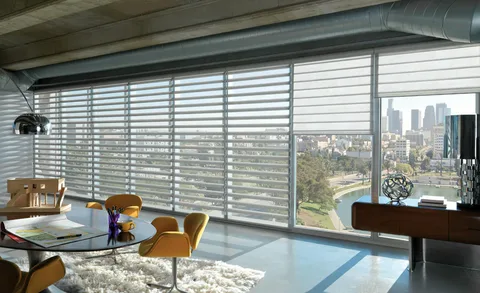
Industry experts emphasize the importance of natural light and airflow in sustainable design. Hotel interior designers plan layouts that enhance daylight penetration and ventilation.
Benefits include:
Reduced reliance on artificial lighting
Improved guest comfort and well-being
Lower energy consumption
Natural light creates inviting spaces and supports wellness-focused hospitality.
Furniture, fixtures, and equipment (FF&E) play a significant role in sustainability. Hotel interior designers select furniture made from responsibly sourced or recycled materials.
Sustainable FF&E practices include:
Furniture with certified wood sources
Modular designs that allow repair or replacement
High-quality construction for longevity
Well-chosen FF&E reduces waste and replacement costs.
Bathrooms are major water consumers in hotels. Hotel interior designers implement water-saving strategies while maintaining luxury and comfort.
Sustainable bathroom design includes:
Low-flow faucets and showerheads
Dual-flush toilets
Efficient plumbing layouts
These solutions significantly reduce water usage without affecting guest experience.
Biophilic design connects guests with nature and supports sustainability goals. Hotel interior designers integrate natural elements into interiors to create healthier environments.
Common biophilic elements include:
Indoor plants and green walls
Natural textures and materials
Visual connections to outdoor landscapes
Biophilic design enhances well-being and environmental awareness.
Waste reduction is a critical sustainability goal. Hotel interior designers design interiors that minimize waste during construction and operation.
Strategies include:
Modular construction elements
Standardized components
Design for easy disassembly and recycling
Reducing waste supports both environmental and financial objectives.
Flooring choices have a significant impact on sustainability. Hotel interior designers select flooring materials that are durable and eco-friendly.
Sustainable flooring options include:
Bamboo and cork
Recycled-content carpets
Natural stone with long lifespans
Durable flooring reduces replacement frequency and environmental impact.
Textiles contribute to comfort and acoustics but can also impact sustainability. Hotel interior designers choose fabrics that are responsibly produced and durable.
Sustainable textile practices include:
Natural and recycled fibers
Low-impact dyes
High-performance fabrics with extended lifespans
Quality textiles reduce waste and maintenance needs.
Technology supports sustainable hospitality operations. Hotel interior designers integrate smart systems that monitor and manage energy use.
Examples include:
Smart room controls that adjust lighting and temperature
Occupancy sensors
Centralized energy management systems
Smart technology reduces energy waste and improves efficiency.
Sustainable design considers daily operations. Hotel interior designers design interiors that are easy to clean and maintain.
Low-maintenance materials and finishes reduce the use of harsh chemicals and extend the life of interiors.
Operational efficiency is a key sustainability factor.
Design can encourage sustainable behavior. Hotel interior designers subtly incorporate design cues that promote responsible guest actions.
Examples include:
Visible recycling stations
Informational design elements
Water- and energy-conscious signage
Educating guests enhances sustainability impact.
Sustainability and luxury are no longer mutually exclusive. Hotel interior designers prove that eco-conscious design can be elegant and refined.
Sustainable luxury includes:
Natural, high-quality materials
Craftsmanship over excess
Thoughtful, understated design
This approach aligns with modern luxury values.
Industry-leading hotel interior designers often collaborate with sustainability consultants and engineers.
This collaboration ensures:
Compliance with environmental standards
Optimized resource use
Measurable sustainability outcomes
Integrated expertise leads to more effective design solutions.
Experts emphasize evaluating sustainability beyond initial construction. Hotel interior designers consider lifecycle costs and long-term performance.
Sustainable design is measured by:
Reduced operational costs
Lower environmental footprint
Increased guest satisfaction
Long-term thinking ensures meaningful impact.
Sustainable hotel interior design is shaping the future of hospitality. Industry experts and hotel interior designers are redefining how hotels can operate responsibly while delivering exceptional guest experiences.
By embracing eco-friendly materials, energy-efficient systems, and timeless design principles, hotels can reduce their environmental impact and enhance brand value. Professional hotel interior designers play a critical role in guiding this transformation, ensuring that sustainability and design excellence go hand in hand.
In a world where guests increasingly value responsibility, sustainable interior design is not just a choice—it is a competitive advantage.

© 2025 Crivva - Hosted by Airy Hosting Managed Website Hosting.