


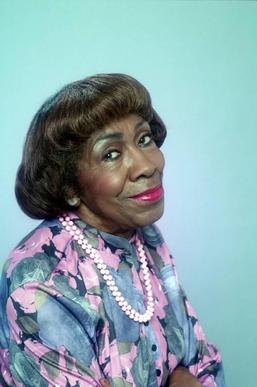
Helen Martin stands as a towering figure in American theater, television, and film whose influence extends far beyond her memorable performances. With a career spanning more than six decades, she redefined representation for African American women, challenged ageism in entertainment, and proved that artistic excellence is timeless. Helen Martin’s legacy is not only measured by the roles she played, but by the doors she opened and the generations she inspired.
Born on July 23, 1909, in St. Louis, Missouri, Helen Martin came of age during a period when racial segregation and limited opportunities shaped nearly every aspect of African American life. Despite these challenges, she developed a passion for the arts early on. Her ambition eventually led her to New York City, where she pursued acting at a time when Black performers were often marginalized or excluded from mainstream theater.
A defining moment in her early career was her involvement as a founding member of the American Negro Theatre (ANT) in Harlem. The ANT became one of the most important cultural institutions for Black performers in the 1940s, nurturing talent and creating opportunities that simply did not exist elsewhere. This early commitment placed Helen Martin at the heart of a movement that sought not only artistic expression, but social progress.
Helen Martin’s theatrical work laid the foundation for her enduring influence. She appeared in numerous landmark stage productions that brought African American stories to serious theatrical spaces. Her performances were marked by emotional depth, authenticity, and an unwavering commitment to truth.
She appeared in productions such as Native Son, The Blacks, Purlie Victorious, The Amen Corner, and Raisin. These plays addressed themes of racial identity, faith, resistance, and community—subjects that were often ignored by mainstream theater. Through her work, Martin helped legitimize Black theater as an essential part of American culture rather than a niche genre.
Her stage career was not merely a stepping stone to film or television; it was a lifelong passion. Even as she gained screen fame later in life, theater remained central to her artistic identity.
Helen Martin’s television success came at an age when many actresses—especially women of color—were rarely cast. Her ability to break through these barriers is a critical part of her legacy.
She gained early television recognition with a recurring role on Good Times, where her sharp comedic instincts and commanding presence stood out. However, it was her iconic role as Pearl Shay on 227 that made her a household name.
Pearl Shay was more than comic relief. She was outspoken, intelligent, opinionated, and deeply human. At a time when elderly Black women were often portrayed as silent or secondary characters, Helen Martin’s Pearl was central, vibrant, and unforgettable. Her performance challenged stereotypes and expanded the narrative possibilities for older women on television.
One of Helen Martin’s most profound influences lies in her challenge to ageism within the entertainment industry. While many actors struggle to find meaningful work later in life, Martin achieved widespread fame in her seventies and eighties.
Her success sent a powerful message: talent does not diminish with age. By remaining visible, relevant, and respected, she helped reshape industry attitudes toward older performers, particularly women and African Americans. Today, many veteran actors benefit from the path she helped pave.
Helen Martin’s film career further cemented her cultural impact. She appeared in a range of films that connected with diverse audiences, including Hollywood Shuffle, Bulworth, I Got the Hook Up, and Don’t Be a Menace to South Central While Drinking Your Juice in the Hood.
Her performances often balanced humor with wisdom, making her relatable to both younger viewers and older generations. These roles allowed her to remain culturally relevant during changing cinematic eras, from classic stage-driven storytelling to modern satirical cinema.
Her presence in these films also helped bridge generational gaps, introducing her work to new audiences who may not have seen her earlier stage performances.
Helen Martin’s legacy is deeply tied to representation. Throughout her career, she insisted—through her work—that Black women deserved to be portrayed as complex, intelligent, and fully human. She rejected one-dimensional stereotypes by consistently delivering performances rooted in realism and dignity.
Her characters often reflected lived experience: elders who carried wisdom, resilience, humor, and emotional strength. These portrayals helped normalize the presence of older Black women as central figures in storytelling rather than background roles.
Modern television and film owe much to performers like Helen Martin, who expanded the scope of who could be seen, heard, and valued on screen.
While not always formally recognized as a mentor, Helen Martin’s influence was deeply felt among younger actors. Her longevity, discipline, and professionalism set a standard for those entering the industry.
Many performers—particularly Black actresses—have cited trailblazers of her era as sources of inspiration. Her career demonstrated that persistence and dedication could lead to success, even when recognition arrived later in life.
She also embodied the idea that an acting career is a lifelong journey, not a race for early fame.
Helen Martin’s career unfolded alongside major social and cultural shifts in American history, including the civil rights movement and evolving conversations around race and equality. Through her work, she contributed to broader cultural change by presenting honest, dignified portrayals of African American life.
Her characters often represented community anchors—neighbors, elders, and matriarchs—figures that held families and neighborhoods together. In doing so, she gave visibility to experiences that resonated deeply within Black communities and beyond.
While Helen Martin may not have accumulated an extensive list of mainstream awards, her respect within the industry was profound. She received recognition from organizations celebrating African American excellence, including an NAACP Image Award nomination.
More importantly, she earned something even rarer: lasting admiration from audiences across generations. Her performances continue to be celebrated through reruns, film screenings, and theater retrospectives.
Helen Martin passed away in 2000 at the age of 90, leaving behind a body of work that continues to inspire. Her legacy lives on in:
She proved that influence is not defined by fleeting fame, but by lasting impact.
Helen Martin’s legacy and influence are woven into the fabric of American entertainment. She was a pioneer, a survivor, and an artist who remained true to her craft across decades of change. Her life reminds us that talent endures, representation matters, and it is never too late to make history.
If you’d like, I can also provide:

© 2025 Crivva - Hosted by Airy Hosting Managed Website Hosting.