


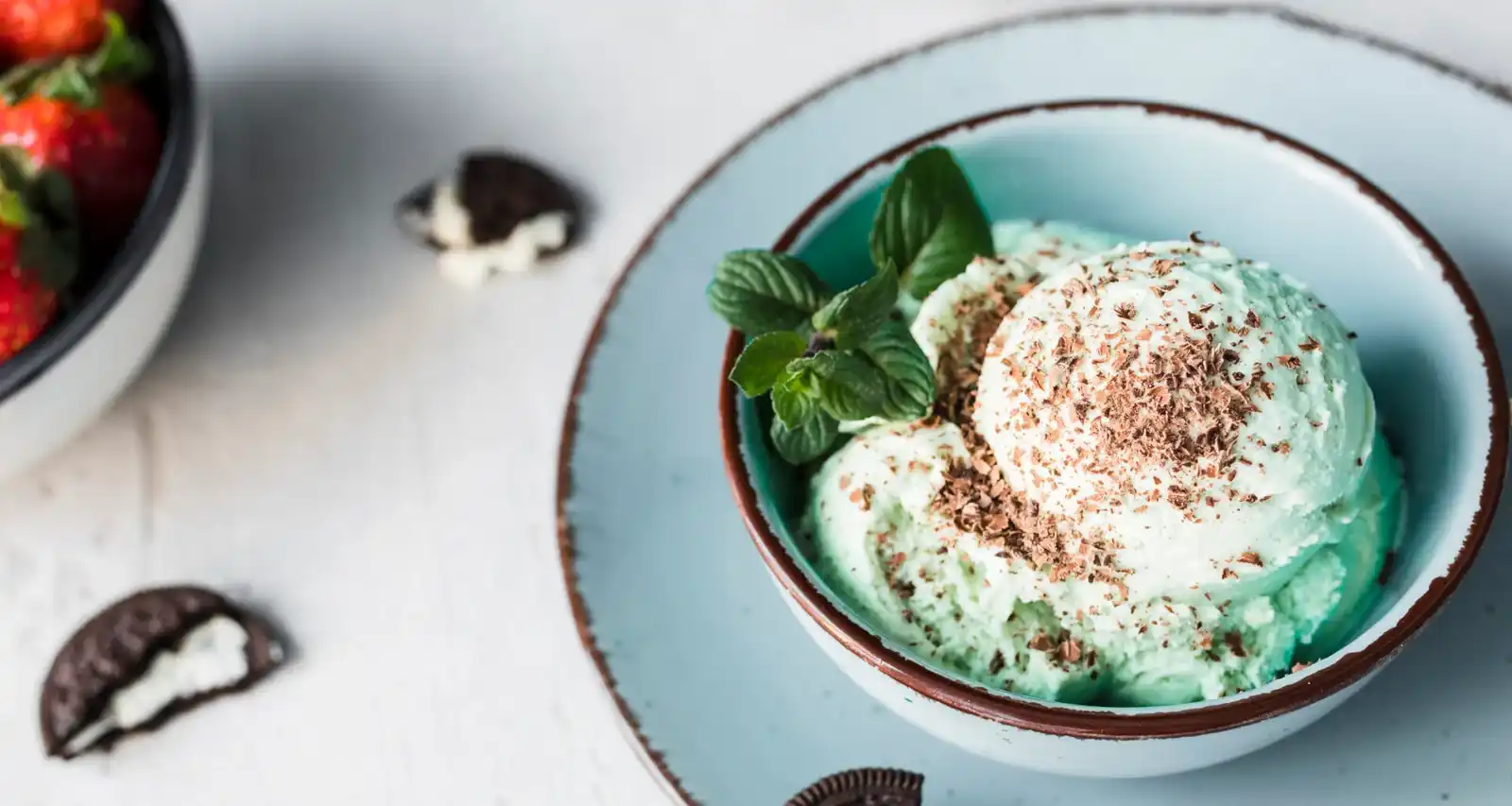
Ice cream is one of the most loved desserts worldwide. Whether enjoyed during summer or as a comfort treat year-round, it remains a favorite for all ages. However, for people following a gluten free diet, ice cream can quickly become confusing. Many assume ice cream is always safe because it is made from dairy, yet hidden gluten ingredients, flavorings, and preparation methods can change that completely. Understanding exactly what goes into ice cream is essential for anyone with gluten intolerance or celiac disease. This guide explains ice cream ingredients in detail, highlights hidden gluten risks, and helps you make safe choices with confidence.
Traditional ice cream contains four primary ingredients: milk, cream, sugar, and flavoring. These ingredients are naturally gluten free. Plain dairy products do not contain wheat, barley, or rye. Because of this, simple ice cream bases are usually safe. Problems begin when manufacturers add stabilizers, thickeners, textures, or flavored inclusions. These added components are responsible for most gluten contamination cases.
Hidden gluten is the biggest concern when selecting ice cream. Cookie dough, cake pieces, brownies, biscuits, and wafer crumbs commonly contain wheat flour. Malt flavoring, derived from barley, is another frequent ingredient used in chocolate or caramel varieties. Some chocolate chips and syrups may also contain gluten due to shared processing equipment or thickening agents. Many gluten-free consumers avoid mixed varieties and instead enhance plain flavors with gluten free toppings to reduce risk while maintaining flavor variety.
Ice cream manufacturers rely on stabilizers to create smooth texture and prevent ice crystals. Common stabilizers include guar gum, xanthan gum, locust bean gum, and carrageenan. These are generally gluten free. However, modified food starch can sometimes be wheat-based depending on the source. While food labeling laws require allergens to be declared, it is still important to check ingredient lists carefully.
Flavorings can be difficult to interpret. Natural flavors may be derived from plant or animal sources, while artificial flavors are chemically created. Although many are gluten free, some flavorings may contain alcohol derived from grains such as barley. This is why ice creams labeled gluten free or certified gluten free offer greater peace of mind for sensitive individuals.
Certain flavors tend to be safer because they do not rely on baked ingredients. These commonly include vanilla, chocolate, strawberry, coffee, mint without cookie pieces, and fruit-based varieties. These flavors are typically made using extracts or purees instead of solid mix-ins. While they are not automatically gluten free, they usually present lower risk when ingredients are verified.
Some ice cream flavors almost always contain gluten unless clearly labeled otherwise. Cookies and cream, cookie dough, brownie batter, cake batter, and malt chocolate frequently include wheat flour or barley. These flavors pose a high risk and should be avoided by anyone with gluten sensitivity unless certified gluten free.
Swirls such as caramel, fudge, and marshmallow may contain hidden gluten. Caramel is especially risky when made with malt syrup. Chocolate fudge swirls may use thickening agents derived from wheat. Even when the base ice cream appears safe, these swirls can make the entire product unsafe. Always review sauce ingredients carefully.
Even ice cream made with gluten free ingredients can become unsafe through cross contamination. Many factories produce multiple flavors on the same equipment. If cleaning procedures are not thorough, traces of gluten can remain. This is why certified gluten free ice cream is especially important for individuals with celiac disease, as these products are tested to remain below accepted gluten thresholds.
Ice cream cones are one of the most common sources of gluten exposure. Traditional cake cones and waffle cones are made from wheat flour. Even touching a gluten-containing cone can contaminate the ice cream. Serving ice cream in a cup is always safer. Gluten free cones exist but should only be used when clearly labeled and stored separately.
Packaged ice cream offers greater control because ingredient labels and allergen statements are visible. Look for clear gluten free labeling or short ingredient lists. Avoid novelty desserts, layered bars, or ice cream sandwiches unless certified gluten free. Single-flavor cartons without mix-ins are usually safer choices.
Ice cream shops present higher risk due to shared scoops, open toppings, and crowded preparation areas. One scoop can transfer gluten between multiple flavors. Even if a flavor is gluten free, contamination may occur during serving. When possible, request a freshly cleaned scoop or choose sealed single-serve options.
Homemade ice cream is one of the safest options for gluten free individuals. Preparing ice cream at home allows full control over ingredients and eliminates cross contamination. Simple recipes using milk, cream, sugar, and vanilla extract are naturally gluten free. Safe mix-ins like fruit, nuts, or certified gluten free chocolate chips can be added with confidence.
Children following a gluten free diet may struggle with dessert restrictions. Ice cream can still be enjoyed safely by choosing simple flavors and avoiding cones and toppings that contain gluten. Single-serve packaged ice creams or homemade versions are ideal. Teaching children label awareness builds long-term confidence and safety.
Travel increases dietary challenges due to limited ingredient transparency. Ice cream shops may not provide detailed allergen information. In such cases, packaged ice cream with clear labeling is the safest choice. Carrying gluten free snacks or toppings can also help when options are limited.
Certified gluten free ice cream must meet strict safety standards and contain less than 20 parts per million of gluten. Certification provides reassurance for people with severe sensitivity. While not all safe ice cream is certified, certified products reduce uncertainty and risk significantly.
Many gluten exposures occur due to simple mistakes. Assuming all ice cream is gluten free, choosing cones without checking ingredients, trusting verbal assurances, ignoring shared scoops, and skipping label reading are common errors. Awareness and consistency are essential for staying safe.
Choose plain flavors whenever possible, read labels carefully, avoid malt ingredients, skip cones unless verified, and prefer certified products. When eating outside the home, keep choices simple and avoid mixed varieties. These small habits greatly reduce gluten exposure.
Ice cream can absolutely be enjoyed on a gluten free diet when ingredients are understood and risks are managed. While the base components of ice cream are naturally gluten free, added flavors, mix-ins, sauces, and preparation methods can introduce hidden gluten. By learning to recognize unsafe ingredients, understanding cross contamination risks, and choosing safe options such as gluten free toppings, individuals can enjoy ice cream confidently. Knowledge, label reading, and mindful selection make it possible to keep this beloved dessert both delicious and safe.

© 2025 Crivva - Hosted by Airy Hosting Managed Website Hosting.