

The contemporary coating methods have created new ways to safeguard materials and apply surface finishes. UV curable coatings for wood represent an advancement in finishing technology. The coatings dry through ultraviolet light, providing instant curing without requiring time. The instant curing eliminates drying time bottlenecks in manufacturing. This technology is suitable for high-volume production, requiring fast turnaround. Many industries now depend on light-activated coating systems.
Benefits of Wood Finishing
Using UV-curable coatings for wood offers remarkable advantages to furniture and flooring. Production speed increases dramatically because curing requires only seconds. The coatings enhance wood grains with clear finishes. No yellowing occurs over time, unlike some traditional finishes. Environmental benefits include zero VOC emissions during the cure. Energy efficiency improves as no heat drying is needed. The system functions effectively in environments that produce large quantities while demanding quick production times.
Application Methods
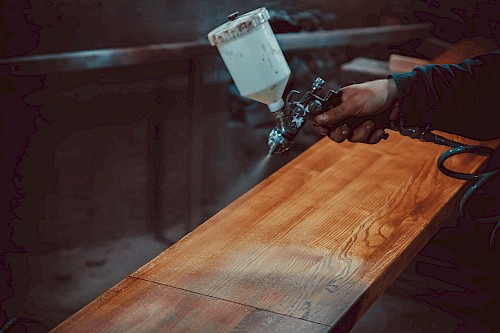
Applying UV curable coatings to wood requires specific equipment and techniques. Roller coating applies uniform layers on flat panels and boards. Curtain coating creates a consistent thickness on pieces. Spray application works for shaped pieces and assembled furniture. The lamps must provide adequate intensity for complete curing. Conveyor speeds match curing requirements. Multiple coating and curing stations handle complex finishing schedules.
Types of Wood Products
UV curable coatings for wood work excellently on various wood products. Furniture finishing speeds up with instant curing. Interior doors receive durable, attractive finishes quickly. Wood panels for walls and ceilings cure immediately. Musical instruments get flawless protective coatings. The versatility makes UV technology suitable across the wood industry. Product quality improvements justify technology adoption.
Environmental Advantages
Light curable coatings lead in environmental performance among finishing options. Zero VOC emissions during curing improve air quality. No solvents evaporate, meaning no air pollution. Energy consumption drops significantly compared to thermal drying ovens. The coatings contain 100% solids with no wasted material. Green building certifications recognize UV-cured wood products.
Performance Characteristics
UV curable coatings for wood deliver exceptional performance properties. The hardness exceeds traditional coatings, providing superior scratch resistance. Chemical resistance protects against common household substances. Water resistance prevents moisture damage to wood substrates. Color stability maintains appearance without yellowing or fading. The coatings remain flexible enough to move with the wood. These properties make UV coatings ideal for demanding applications.
Cost Analysis
Implementing UV curable coatings for wood involves evaluating various costs. Equipment investment is higher than traditional finishing setups. Coating materials often cost more per gallon than conventional products. However, the 100% solids means no wasted solvents. Labor costs decrease dramatically due to faster processing. Facility space needs to shrink because no drying areas are required. The total cost analysis often favors UV technology despite a higher upfront investment.
The contemporary coating methods have created new ways to safeguard materials and apply surface finishes. UV curable coatings for wood represent an advancement in finishing technology. The coatings dry through ultraviolet light, providing instant curing without requiring time. The instant curing eliminates drying time bottlenecks in manufacturing. This technology is suitable for high-volume production, requiring fast turnaround. Many industries now depend on light-activated coating systems.
Benefits of Wood Finishing
Using UV-curable coatings for wood offers remarkable advantages to furniture and flooring. Production speed increases dramatically because curing requires only seconds. The coatings enhance wood grains with clear finishes. No yellowing occurs over time, unlike some traditional finishes. Environmental benefits include zero VOC emissions during the cure. Energy efficiency improves as no heat drying is needed. The system functions effectively in environments that produce large quantities while demanding quick production times.
Application Methods
Applying UV curable coatings to wood requires specific equipment and techniques. Roller coating applies uniform layers on flat panels and boards. Curtain coating creates a consistent thickness on pieces. Spray application works for shaped pieces and assembled furniture. The lamps must provide adequate intensity for complete curing. Conveyor speeds match curing requirements. Multiple coating and curing stations handle complex finishing schedules.
Types of Wood Products
UV curable coatings for wood work excellently on various wood products. Furniture finishing speeds up with instant curing. Interior doors receive durable, attractive finishes quickly. Wood panels for walls and ceilings cure immediately. Musical instruments get flawless protective coatings. The versatility makes UV technology suitable across the wood industry. Product quality improvements justify technology adoption.
Environmental Advantages
Light curable coatings lead in environmental performance among finishing options. Zero VOC emissions during curing improve air quality. No solvents evaporate, meaning no air pollution. Energy consumption drops significantly compared to thermal drying ovens. The coatings contain 100% solids with no wasted material. Green building certifications recognize UV-cured wood products.
Performance Characteristics
UV curable coatings for wood deliver exceptional performance properties. The hardness exceeds traditional coatings, providing superior scratch resistance. Chemical resistance protects against common household substances. Water resistance prevents moisture damage to wood substrates. Color stability maintains appearance without yellowing or fading. The coatings remain flexible enough to move with the wood. These properties make UV coatings ideal for demanding applications.
Cost Analysis
Implementing UV curable coatings for wood involves evaluating various costs. Equipment investment is higher than traditional finishing setups. Coating materials often cost more per gallon than conventional products. However, the 100% solids means no wasted solvents. Labor costs decrease dramatically due to faster processing. Facility space needs to shrink because no drying areas are required. The total cost analysis often favors UV technology despite a higher upfront investment.
What Makes Custom Coatings Different?
Custom coatings for plastic surfaces achieve their purpose through development as
specialized adhesive materials that function on low-energy plastic surfaces. Regular paints often peel off plastic due to low bonding. Custom formulations include adhesion promoters that tightly grip plastic molecules. Plastic types serve as the basis for establishing specific coating attributes. Specialty coatings offer advanced protection capabilities and additional functionalities for their users.
Application Methods for Plastic Coatings
Plastic coating demands specific techniques. Spray application provides excellent coverage and smooth finishes on complex shapes. Dip coating may work well for smaller parts that require complete coverage. Flow coating provides a uniform thickness on flat surfaces. Powder coating offers durable finishes. However, it requires special equipment. Each method has advantages depending on part size and production volume. Surface preparation is necessary before coating for adhesion.
Cost Considerations for Custom Solutions
Custom coatings for plastic surfaces involve various costs beyond just material prices. Initial formulation development for truly custom solutions requires investment. Testing to verify performance adds to upfront costs but ensures success. Labor costs vary depending on the complexity of the application method. Volume significantly affects per-unit costs. However, the investment often pays back through improved product quality and longevity. Fewer warranty claims and returns offset coating expenses. Their premium appearance allows higher sellin prices, justifying coating investments.
Conclusion
UV curable coatings for wood offer exceptional performance properties. Instant curing eliminates traditional drying time bottlenecks. The technology delivers superior hardness, scratch resistance, and durability. Light-curable coatings encompass various technologies using different activation methods. The application requires specialized equipment, including UV lamps and conveyors.

© 2025 Crivva - Hosted by Airy Hosting Managed Website Hosting.