


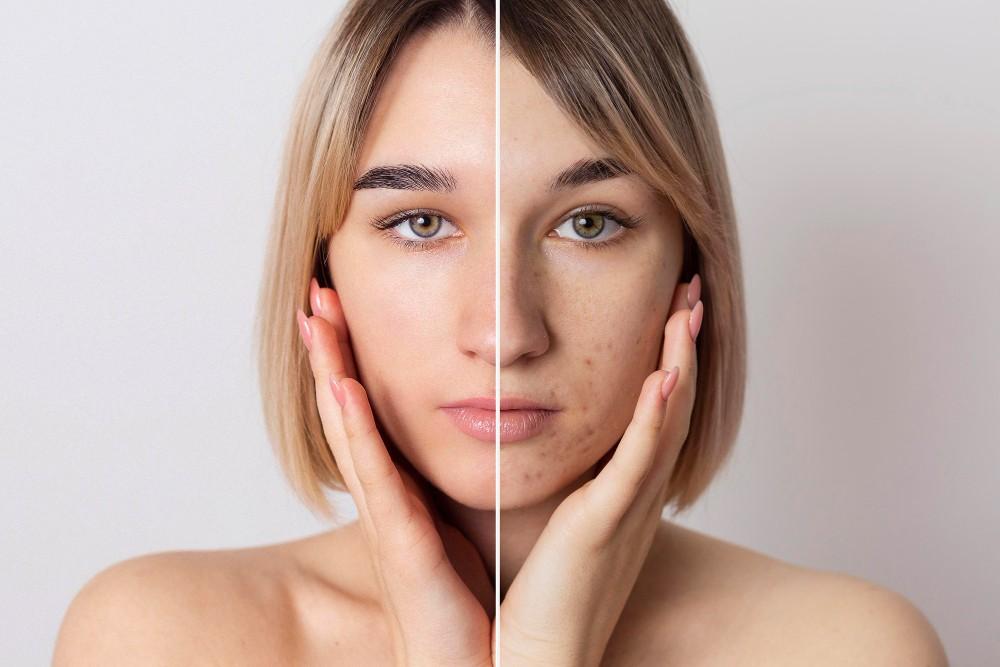
For many people, the most painful part of acne doesn’t happen during the breakout phase—it comes after. When the pimples finally settle, what remains are dents, pits, or dark marks that serve as long-term reminders of a problem they thought was over.
This is where regret often sets in.
“I wish I hadn’t picked.”
“I thought it would heal on its own.”
“I didn’t know acne could leave permanent scars.”
The truth is, acne itself is temporary—but acne scars can be permanent if prevention isn’t prioritized early. While modern dermatology offers advanced solutions for scar correction, prevention is always easier, safer, and more cost-effective than treatment later on.
Acne scars don’t appear overnight. They are the result of prolonged or severe inflammation in the skin. When a pimple forms, the body tries to repair the damage by producing collagen. If this healing process is disrupted—either by excessive inflammation or improper handling—the skin structure can break down.
The deeper and longer the inflammation lasts, the higher the risk of scarring.
Manual interference is one of the biggest culprits behind permanent acne scars. Picking or squeezing pimples:
Pushes bacteria deeper into the skin
Increases inflammation
Damages surrounding tissue
Delayed or incorrect treatment allows acne to stay active longer, increasing the likelihood of skin damage.
Many people confuse post-acne marks with scars:
Acne marks (PIH/PIE): Flat red or brown spots that fade with time
Acne scars: Textural changes like pits or depressions that don’t heal on their own
Understanding this difference is crucial because true scars require medical intervention, while marks may fade with proper skincare.
These are narrow, deep scars that look like the skin has been punctured with a sharp object. They extend into the deeper layers of the skin and are among the most difficult to treat.
Broad depressions with well-defined edges, commonly seen on the cheeks and temples. They result from collagen loss after inflammatory acne.
These scars create a wave-like or uneven texture due to fibrous bands pulling the skin downward.
No single treatment works for all acne scars. Each type requires a customized dermatological approach, often involving a combination of procedures. This is why prevention during the active acne phase is so important.
According to Dr. Geetika Srivastava, an experienced dermatologist in Delhi, acne scarring often begins while acne is still active—making early medical care critical.
Many patients seek help only after scars have formed, not realizing that:
The scarring process starts early
Proper acne control can prevent permanent damage
Early intervention preserves skin texture and collagen
Over-the-counter products often:
Lack adequate anti-inflammatory strength
Are used incorrectly or inconsistently
Fail to address deeper acne pathology
Without professional guidance, active acne may appear “controlled” on the surface while inflammation continues beneath the skin.
Not all acne treatments suit every stage of acne. Dermatologists carefully select ingredients based on:
Type of acne (comedonal, inflammatory, cystic)
Skin sensitivity
Risk of scarring
Using strong actives at the wrong time can worsen inflammation and increase scar risk.
Scar prevention is less about drying pimples and more about calming inflammation. This includes:
Early treatment of nodules and cysts
Avoiding unnecessary irritation
Maintaining the skin barrier
When inflammation is controlled, the skin heals more evenly.
Sun exposure worsens inflammation and increases the risk of post-acne pigmentation and scars. Many acne medications make the skin more sun-sensitive, making daily sunscreen essential—even for acne-prone skin.
Natural remedies may seem harmless, but many cause:
Chemical burns
Increased irritation
Delayed healing
Lemon, baking soda, toothpaste, and harsh oils can permanently damage acne-inflamed skin.
Excessive scrubbing or overuse of exfoliating acids weakens the skin barrier. Inflamed, compromised skin is more prone to scarring and delayed recovery.
Waiting for acne to “settle on its own” is one of the most common reasons scars form. Early consultation helps:
Control breakouts faster
Reduce inflammation duration
Protect skin structure
Dermatologists like Dr. Geetika Srivastava, regarded as one of the best dermatologists in Delhi, focus strongly on scar prevention alongside acne treatment.
Acne scars are not just a cosmetic issue—they affect confidence, self-image, and long-term skin health. While advanced treatments can improve scars, nothing works better than preventing them in the first place.
Scars are easier to prevent than treat.
Early care matters.
Informed treatment decisions today protect your skin tomorrow.
Are you treating acne with your future skin in mind?
If not, it may be time to seek expert guidance from a qualified dermatologist before acne leaves a lasting mark.
Many acne scars can be prevented with early and proper treatment. Controlling inflammation, avoiding picking, and seeking timely dermatological care significantly reduce the risk of permanent scarring.
Scarring often begins while acne is still active, especially in cases of deep, inflammatory, or cystic acne. This is why early intervention during breakouts is critical.
No. Mild pimples usually heal without scarring. Scars are more likely with deep, painful, or long-lasting acne, particularly if lesions are picked or left untreated.
Picking pushes bacteria deeper, increases inflammation, and damages surrounding tissue. This disrupts normal healing and significantly increases the risk of collagen loss and scarring.
OTC products may help mild acne but often fall short for inflammatory or persistent acne. Dermatologist-guided treatment ensures inflammation is controlled early, reducing scar formation.
Yes. Sunscreen helps reduce inflammation and prevents post-acne pigmentation from deepening. Sun exposure during acne healing can worsen both marks and scars.

© 2025 Crivva - Hosted by Airy Hosting Managed Website Hosting.