

Flowers are often connected to life’s most meaningful moments. They are used to celebrate weddings, birthdays, anniversaries, graduations, and many other occasions that people want to remember for years. While fresh flowers naturally fade over time, preserving them allows those memories to remain visible in a lasting and meaningful way.
Learning proper floral preservation techniques can help maintain the beauty, colour, and shape of flowers long after the original event has passed. Whether flowers come from a wedding bouquet or a heartfelt gift, preserving them correctly can transform temporary blooms into timeless keepsakes.
Flowers often carry emotional value because they represent important experiences and personal connections. Many people choose preservation because they want to hold onto those memories instead of watching the flowers fade away after only a few days.
Preserved flowers can become decorative pieces displayed in homes, framed artwork, or personal keepsakes that continue telling a story for years. This process not only protects flowers physically but also helps preserve the emotions connected to them.
For many individuals, keeping flowers from important events offers comfort and creates a lasting reminder of meaningful moments shared with loved ones.
There are several ways flowers can be preserved, depending on the desired appearance and flower type. Each method offers different results, making it important to choose the right process carefully.
Air drying is one of the oldest and simplest methods. Flowers are tied together and hung upside down in a dry area away from direct sunlight. This technique works well for sturdy flowers and creates a natural, rustic appearance.
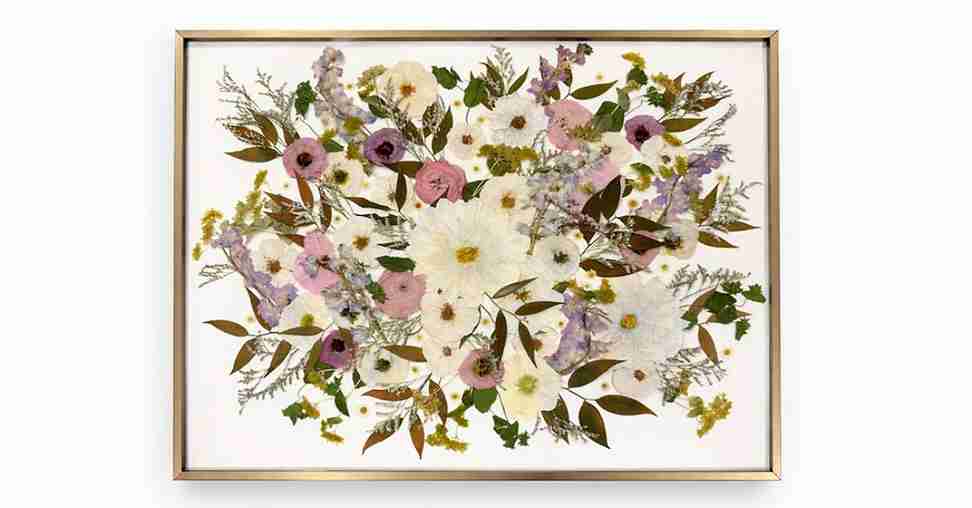
Pressed flowers are created by placing blooms between sheets of absorbent paper and applying weight over time. This method produces flat flowers that are often used for framed artwork, bookmarks, and decorative projects.
Silica gel drying helps flowers maintain more of their original shape and colour. The gel absorbs moisture slowly while supporting delicate petals during the drying process. Many people prefer this method because it often creates more detailed results.
Some flowers are preserved inside clear resin to create decorative pieces such as jewellery, paperweights, or keepsake blocks. This method protects flowers from air exposure while offering a modern display style.
Understanding these techniques can help people decide which preservation method best matches their needs and personal preferences.
Not all flowers respond the same way during preservation. Some blooms naturally maintain their structure and colour better than others. Roses, carnations, daisies, lavender, and chrysanthemums are often easier to preserve because of their durability.
Freshness is also important. Flowers should ideally be preserved as soon as possible after the event while they are still healthy and vibrant. Wilted or damaged flowers may lose their shape more easily during the drying process.
People interested in wedding floral preservation often select flowers carefully because bouquets usually contain multiple flower varieties that may dry differently.
Several factors can affect the final appearance of preserved flowers. Following proper care steps helps improve results and extends the lifespan of preserved arrangements.
Moisture is one of the biggest threats to preserved flowers. Humid environments can damage petals and reduce the lifespan of preserved pieces.
Strong sunlight can cause colours to fade over time. Preserved flowers should be displayed in shaded indoor spaces whenever possible.
Preserved petals become delicate after drying. Gentle handling helps prevent tearing or breakage.
Containers, drying surfaces, and tools should remain clean to avoid dust or damage during preservation.
These simple steps can help preserved flowers remain beautiful for many years.
Once flowers are preserved, they can be transformed into many decorative forms. Framed floral displays remain one of the most popular choices because they allow flowers to become elegant wall art.
Shadow boxes are also commonly used to preserve arrangements while protecting delicate petals from dust and damage. Some people prefer placing preserved flowers in glass domes or decorative jars to create eye-catching home décor.
Others use preservation techniques to create ornaments, greeting cards, bookmarks, or personalised keepsakes filled with sentimental value. Flower Bouquet Preservation has become especially popular for weddings because it allows couples to display part of their special day inside their homes.
Properly preserved flowers can last for many years with the right care. Their lifespan often depends on the preservation method used and the environment where they are displayed.
Flowers kept in dry indoor spaces away from sunlight usually maintain their appearance longer. Dusting preserved flowers gently every few months also helps keep them looking clean and attractive.
Although preserved flowers may naturally change slightly over time, careful maintenance can significantly extend their beauty.
Many people today are choosing preservation because they value meaningful and personal keepsakes more than temporary decorations. Flowers from weddings, memorials, and celebrations often represent emotional memories that people want to keep close.
Businesses such as Stag Ridge Mercantile have helped bring greater attention to preservation by showing how flowers can become timeless decorative pieces rather than short-lived arrangements.
As interest continues growing, more people are learning how preserved flowers can provide both emotional value and lasting beauty.
Flowers may naturally fade, but the memories connected to them often remain important for a lifetime. Proper floral preservation offers a meaningful way to protect those memories while transforming fresh blooms into keepsakes that can be enjoyed for years.
Whether flowers come from a wedding, celebration, or thoughtful gift, preservation helps maintain their beauty in a lasting form. By understanding different methods, choosing suitable flowers, and following proper care techniques, anyone can create preserved floral pieces that continue telling a story long after the original occasion has passed.
With the right approach, flowers can remain more than temporary decorations—they can become timeless reminders of life’s most special moments.

© 2025 Crivva - Hosted by Airy Hosting Managed Website Hosting.