

Choosing between a flat roof and a sloped roof is not just about appearance. It affects how your home handles weather, how much maintenance you will need, and how long your roof will last. In a place like Montreal, where winters are harsh and summers can bring heavy rain, that decision becomes even more important.
If you are planning a new build or replacing an existing roof, here is a practical breakdown based on real-world performance, not just theory.
A flat roof is not completely flat. It has a slight slope to allow water drainage, but visually it appears level. These roofs are commonly used in modern homes and commercial buildings.
They are often built using membrane systems, making them a popular choice for residential roofing in urban areas.
A sloped roof has a noticeable pitch that allows water, snow, and debris to slide off naturally. This is the traditional roofing style seen in many Canadian homes.
It typically uses materials like asphalt shingles or metal panels and is widely handled by experienced roofing contractors Montreal homeowners rely on.
This is where the real difference shows up.
Flat roofs can handle Montreal weather, but only when installed and maintained properly. Snow tends to sit on the surface longer, which increases weight and moisture exposure.
Sloped roofs naturally shed snow and rain. That reduces the risk of water pooling and ice buildup.
From experience, homeowners dealing with frequent leaks or water accumulation often benefit from upgrading their drainage or switching roofing styles. This is also why many people reach out to a roofing company Montreal residents trust when evaluating their options.
Flat roofs need more regular attention. Since water does not run off as quickly, debris buildup and minor drainage issues can lead to bigger problems.
Routine roof maintenance services usually include:
Sloped roofs generally require less frequent maintenance, but they are not maintenance-free. Shingles can loosen, and flashing can wear out over time.
For both types, a structured roof maintenance package helps catch problems early before they turn into expensive repairs.
The lifespan of a roof depends on materials, installation quality, and maintenance.
Flat roofs using high-quality membranes can last 20 to 30 years. However, they are more sensitive to standing water and UV exposure.
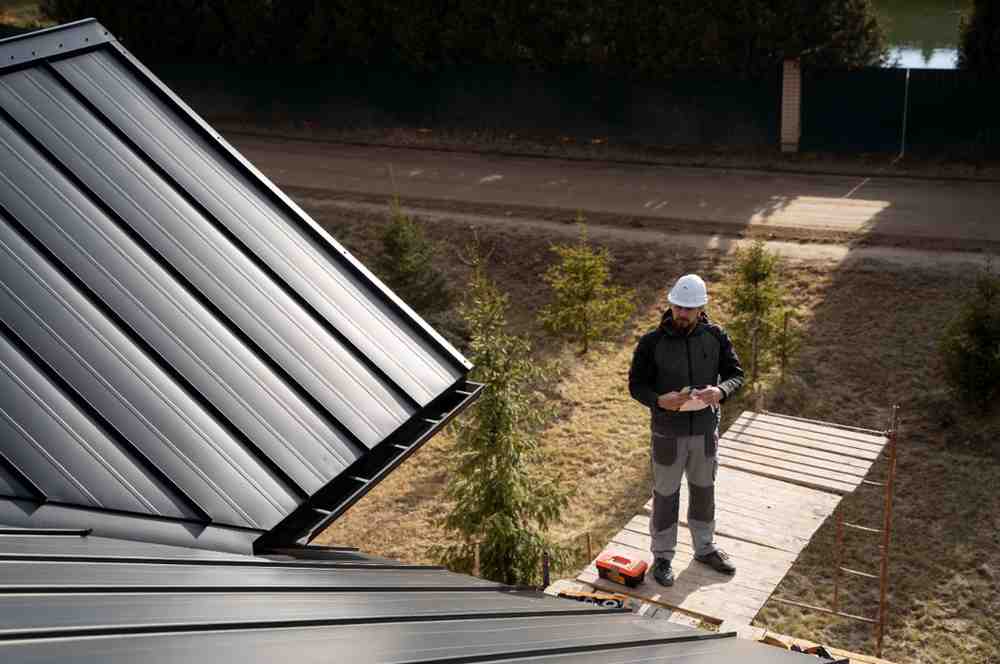
Sloped roofs often last longer, especially when using durable materials like metal. With proper metal roof maintenance, some systems can last 40 years or more.
The key factor here is not just the roof type but the quality of installation. Working with the best roofers in Montreal ensures your roof performs as expected over time.
Flat roofs are usually more affordable to install. They require fewer materials and less labor compared to sloped roofs.
However, the long-term costs can vary. Frequent maintenance and occasional repairs may add up if the system is not properly managed.
Sloped roofs cost more upfront but often require fewer repairs over time. They also offer better drainage, which reduces the likelihood of emergency issues.
When evaluating cost, it helps to think beyond installation and consider long-term maintenance and repair needs.
One advantage of flat roofs is usable space. Homeowners can install:
This makes them attractive for urban properties.
Sloped roofs do not offer usable rooftop space, but they provide better attic ventilation. A properly designed home ventilation system improves energy efficiency and prevents moisture buildup.
Flat roofs are more prone to sudden leaks because water tends to sit on the surface. When issues arise, quick action is essential.
This is where emergency roof repair becomes critical. Delaying repairs on a flat roof often leads to interior damage.
Sloped roofs, on the other hand, usually show visible signs of damage such as missing shingles before major leaks occur. This gives homeowners more time to schedule roof repair services.
Both roof types can support skylights, but installation differs.
Flat roofs require careful sealing to prevent leaks around skylights. Sloped roofs naturally direct water away, making installation slightly less risky.
If you are planning to add a skylight Montreal homeowners often request, proper installation is key regardless of roof type.
Step 1: Evaluate Your Climate Needs
Consider how your roof will handle snow, rain, and temperature changes.
Step 2: Assess Your Budget
Look at both installation costs and long-term maintenance expenses.
Step 3: Think About Maintenance
Decide how much time and effort you are willing to invest in upkeep.
Step 4: Consider Design Preferences
Choose a style that fits your home’s architecture and lifestyle needs.
Step 5: Consult Professionals
Speak with a residential roofing company to get expert recommendations based on your property.
These decisions often lead to higher costs and recurring issues.
Sloped roofs generally perform better because they shed snow more easily. Flat roofs can still work well with proper drainage and maintenance.
They can be if not maintained properly, as water tends to accumulate rather than run off.
At least once a year, plus additional checks after major storms.
Flat roofs usually cost less to install, but maintenance costs may be higher over time.
Yes, but flat roofs offer more flexibility in positioning panels for optimal sunlight.
There is no one-size-fits-all answer when choosing between a flat roof and a sloped roof. Each has its advantages, and the right choice depends on your property, budget, and long-term plans.
What matters most is proper installation and ongoing care. Whether you choose a flat or sloped design, working with the best roofing company ensures your investment performs well for years to come.
If you are unsure which option suits your home, a professional assessment can provide clarity and help you move forward with confidence.

© 2025 Crivva - Hosted by Airy Hosting Managed Website Hosting.