Dental trauma and severe oral pain rarely happen at convenient times. Whether it is a fractured molar during a weekend dinner or a sudden, throbbing toothache that wakes you up at 3:00 AM, dental emergencies require fast, informed decision-making.
Unfortunately, panic often leads to poor choices. Many patients either delay treatment—hoping the pain will subside—or rush to a hospital emergency room, only to discover that most medical ERs are not equipped to perform restorative dental procedures. Understanding what constitutes a true dental emergency, knowing the immediate first-aid steps, and understanding how to effectively triage your situation can mean the difference between saving a natural tooth and facing complex, expensive extractions and implants.
This comprehensive guide breaks down everything you need to know about navigating urgent oral care, managing trauma before you reach the dental chair, and finding the right professional help when every minute counts.
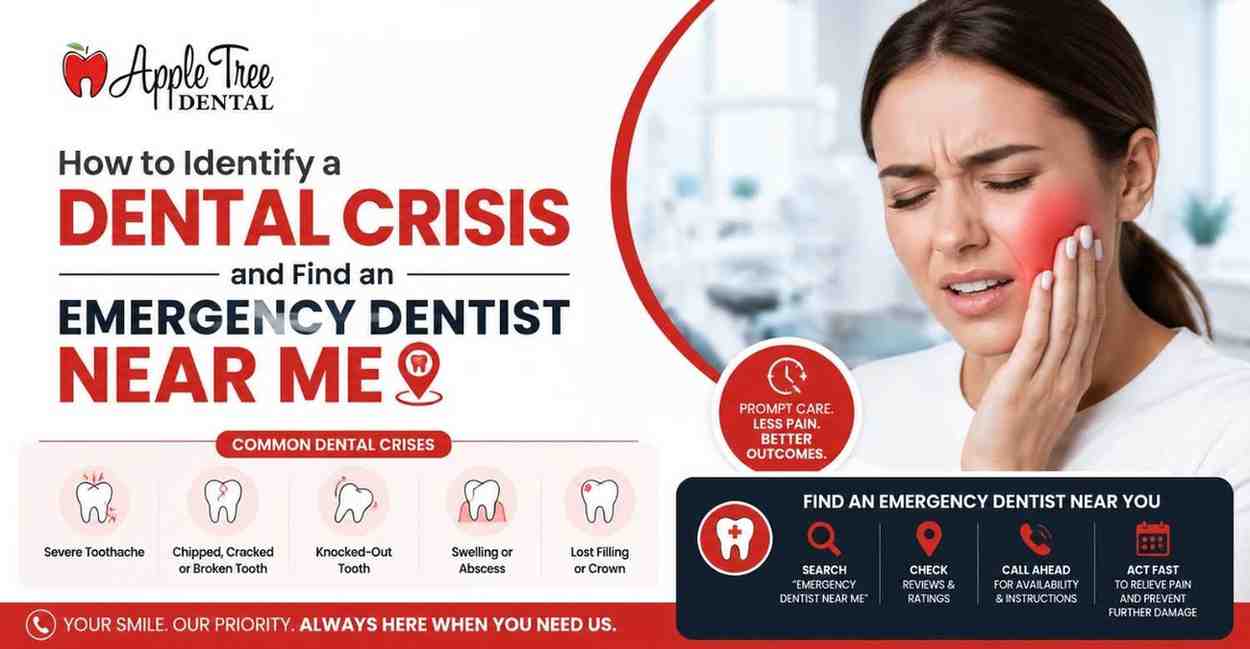
Not every unexpected dental issue requires immediate, same-day attention. The first step in managing a crisis is correctly identifying its severity. A true dental emergency generally involves severe pain, uncontrolled bleeding, or trauma that compromises the structural integrity of a tooth or the surrounding jaw.
An avulsed tooth is the most time-sensitive of all dental emergencies. When a permanent tooth is completely displaced from its socket, the nerves and blood vessels are severed, but the periodontal ligament cells attached to the root can survive for a very brief period.
The Golden Window: You have approximately 30 to 60 minutes to successfully reimplant the tooth. After this window, the survival rate of the periodontal cells drops drastically, increasing the likelihood that the body will eventually reject the tooth.
A minor toothache that comes and goes might be a sign of early decay, but severe, pulsating pain that radiates to the jaw, ear, or neck is a major red flag. This type of pain often indicates an infection has reached the tooth’s inner pulp chamber.
If this is accompanied by a localized swelling on the gums (a pimple-like bump called a fistula), facial swelling, or a fever, you are likely dealing with a dental abscess. An abscess is a pocket of pus caused by a bacterial infection. This is a medical emergency; if left untreated, the infection can spread to the surrounding bone, adjacent teeth, or even systemically into the bloodstream.
While a minor chip in the enamel is largely cosmetic, a deep fracture that exposes the yellowish dentin or the red, fleshy pulp underneath is an emergency. The pulp contains sensitive nerve endings, and exposing it to air, saliva, and bacteria causes excruciating pain and rapid infection. Furthermore, a tooth fractured below the gumline may require immediate extraction to prevent profound structural damage to the jawbone.
Whether due to a sports injury, an accident, or post-operative complications (such as persistent bleeding days after an extraction), bleeding from the mouth that does not stop after 15 to 20 minutes of firm, continuous pressure requires immediate professional intervention.
To avoid overwhelming emergency clinics and to save yourself unnecessary stress, it is equally important to know which conditions can wait for a regular business-hours appointment.
Lost Fillings or Crowns: While uncomfortable and potentially sensitive to temperature, a lost restoration is rarely an emergency unless it is accompanied by severe, debilitating pain. Keep the area clean and avoid chewing on that side.
Minor Chips: If a small piece of enamel breaks off without causing pain or exposing the inner layers of the tooth, it can safely wait a few days.
Mild Gum Irritation: Minor bleeding when flossing or localized soreness is usually a sign of gingivitis or minor trauma, which can be addressed during a routine check-up.
Your actions in the minutes immediately following an injury dictate the clinical outcome. If you experience trauma, follow these clinically backed first-aid protocols while you arrange for urgent care.
Find the tooth: Locate the tooth immediately.
Handle by the crown only: Never touch the root (the pointed part that goes into the gum). Touching the root damages the delicate periodontal ligament cells necessary for successful reimplantation.
Rinse gently: If the tooth is dirty, rinse it lightly with milk or saline. Do not use water, soap, or chemicals, and do not scrub or dry the tooth.
Reinsert if possible: Gently try to place the tooth back into its socket and bite down softly on a clean gauze or cloth to hold it in place.
Store it safely: If reinsertion is impossible, keep the tooth moist. The best storage medium is Hank’s Balanced Salt Solution (found in dental first-aid kits) or a glass of cold milk. As a last resort, the patient can hold the tooth in their cheek pouch, though this carries a swallowing risk. Never store the tooth in plain tap water, as the osmotic pressure will cause the root cells to burst and die.
Clean the area thoroughly. Gently floss around the affected tooth to dislodge any impacted food debris that might be causing pressure on the gums.
Rinse your mouth with warm salt water (1/2 teaspoon of salt in 8 ounces of warm water) to reduce inflammation and draw out fluid from the tissues.
Take an over-the-counter anti-inflammatory medication like Ibuprofen (Advil or Motrin) to manage swelling. Avoid placing Aspirin directly on the gums, as this is an acidic compound that will cause severe chemical burns to the soft tissue.
Apply a cold compress to the outside of the cheek for 15-minute intervals to numb the area and restrict blood flow, which reduces swelling.
While dentists are the experts for tooth and gum issues, there are specific oral/facial symptoms that require an immediate trip to the hospital emergency room:
Swelling that is affecting your ability to breathe or swallow.
Suspected fractures of the jawbone or facial bones.
Deep soft tissue lacerations to the lips, cheeks, or tongue that will require complex suturing.
When a crisis strikes, the last thing you want to do is endlessly scroll through search results trying to verify if a clinic is actually open. Preparation and knowing what to look for in a local provider are key.
If you are dealing with sudden trauma, knowing what steps to take is vital, and having a trusted local professional ready to help is even more critical. If you find yourself in the midst of a crisis and are searching for an emergency dentist near me, look for practices that explicitly state their protocols for urgent trauma.
A high-quality urgent dental care provider should offer:
Dedicated Emergency Time Blocks: The best clinics leave buffer room in their daily schedules specifically to accommodate unexpected trauma cases without making patients wait for hours.
Comprehensive Diagnostic Equipment: Proper trauma assessment requires high-resolution digital X-rays or a CBCT (Cone Beam Computed Tomography) 3D scanner to check for microscopic root fractures and jawbone integrity.
Clear Communication: A reliable clinic will offer immediate triage advice over the phone, letting you know exactly what first-aid steps to take while you are in transit.
There is a common misconception that seeking emergency dental care is prohibitively expensive. In reality, delaying treatment is almost always the costlier route.
Consider an untreated dental infection. What begins as a localized issue requiring a standard root canal and a crown can quickly deteriorate. If the tooth structure is severely compromised, the tooth will need to be surgically extracted. Replacing a lost tooth requires a dental implant or a fixed bridge—procedures that cost significantly more, require multiple visits, and involve months of healing time.
Furthermore, ignoring dental trauma can lead to systemic health issues. The mouth is the gateway to the body; unchecked oral infections have been clinically linked to cardiovascular issues, systemic inflammation, and complications in managing conditions like diabetes. Acting quickly preserves your natural biology, protects your overall health, and is the most economically sound decision you can make for your oral care.
Dental emergencies are inherently stressful, but they do not have to result in the loss of a tooth or prolonged agony. By understanding the difference between a minor annoyance and a genuine crisis, mastering basic dental first aid, and knowing exactly who to call, you can navigate unexpected oral trauma with confidence.
Always keep an emergency dental kit in your home—complete with gauze, saline, a small container for avulsed teeth, and the contact information for your trusted local dental professional. When it comes to saving your smile, time and knowledge are your most valuable assets.
Apple Tree Dental is a premier dental practice dedicated to providing compassionate, comprehensive, and advanced oral healthcare. Serving the community with a focus on patient education and preventative care, the clinical team specializes in managing complex dental trauma, restorative dentistry, and urgent oral care. For more information on their comprehensive services and emergency protocols, visit Apple Tree Dental.

© 2025 Crivva - Hosted by Airy Hosting Managed Website Hosting.