

Modern optical systems demand precision, consistency, and performance across a wide field of view. Whether in laser scanning, engraving, or industrial automation, choosing the right lens is critical. The F Theta Lens is one such advanced optical component designed to deliver accurate and uniform imaging, especially in laser-based applications.
Compared to standard High Resolution Lenses, the F Theta Lens is engineered for specialized use cases where flat-field imaging and consistent spot size are required. Understanding how it works and when to use it can help businesses improve efficiency and achieve better results.
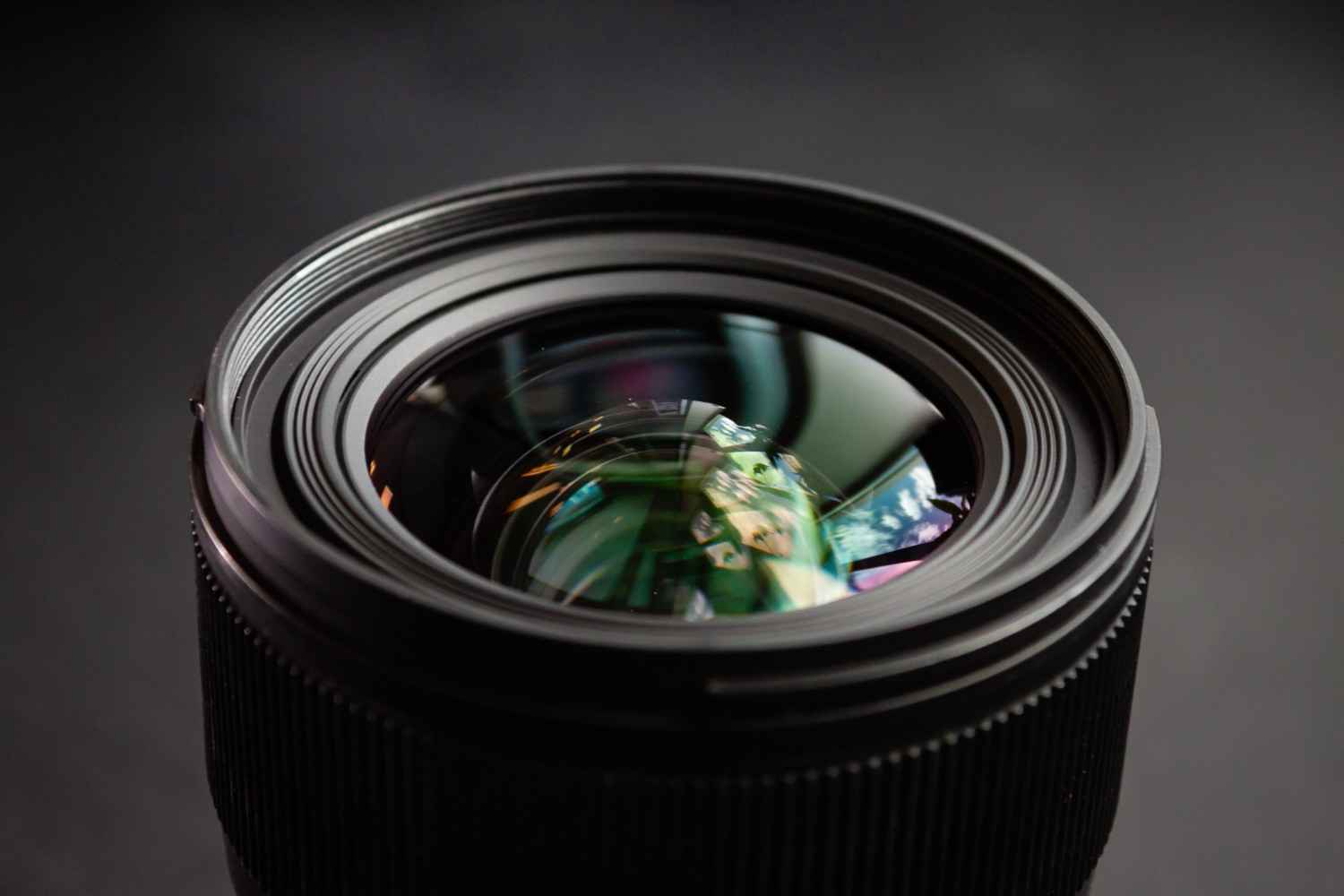
An F Theta Lens is a specialized scan lens used primarily in laser systems. It is designed to ensure that the image height on the scanning plane is directly proportional to the scan angle (theta). This relationship allows the lens to produce a flat field image, which is essential for applications like laser marking and cutting.
Unlike conventional lenses that create curved image planes, the F Theta Lens maintains a flat working surface. This makes it highly suitable for systems where uniformity and accuracy are required across the entire field.
The working principle of an F Theta Lens is based on controlling the relationship between the scan angle and the image position. In simple terms, the lens ensures that the distance from the optical axis to the image point is proportional to the focal length multiplied by the scan angle.
This results in even distribution of the laser beam across the surface. As a result, the laser spot remains consistent in size and intensity, regardless of its position within the field.
This is a major advantage over traditional High Resolution Lenses, which may introduce distortion or uneven focus when used in scanning systems.
One of the most important features of an F Theta Lens is its ability to maintain a flat field. This ensures that the laser remains in focus across the entire working area.
Another key feature is uniform spot size. The lens delivers consistent beam quality, which is crucial for applications like engraving and marking.
F Theta lenses also offer low distortion, which improves accuracy and precision. Their optimized optical design reduces errors and enhances overall performance.
Additionally, these lenses are compatible with high-speed scanning systems, making them ideal for industrial automation.
F Theta lenses are widely used in laser-based applications. In laser marking and engraving, they ensure uniform results across surfaces, improving quality and consistency.
In cutting applications, the lens helps maintain precision, resulting in clean and accurate cuts. Industries such as electronics, automotive, and manufacturing rely on F Theta lenses for efficient production.
They are also used in 3D printing and additive manufacturing, where precision is critical. In these applications, the lens ensures that each layer is accurately formed.
When integrated with advanced High Resolution Lenses, F Theta lenses enhance imaging clarity and system performance.
While both lenses are designed for precision, they serve different purposes. A Telecentric Imaging Lens is used for measurement and inspection, ensuring consistent magnification and eliminating perspective distortion.
On the other hand, an F Theta Lens is specifically designed for laser scanning applications. It focuses on maintaining a flat field and consistent beam distribution rather than magnification accuracy.
Both lenses play important roles in advanced imaging systems, and choosing between them depends on the application requirements.
An S-Mount Lens is commonly used in compact camera systems, including CCTV and embedded vision devices. It is known for its small size, affordability, and ease of integration.
While S-Mount lenses are suitable for general imaging and surveillance, they do not offer the specialized capabilities of an F Theta Lens or a Telecentric Imaging Lens.
However, in systems where space and cost are constraints, S-Mount lenses provide a practical solution for achieving decent image quality.
The primary benefit of an F Theta Lens is improved accuracy in laser applications. It ensures consistent results across the entire working field, reducing errors and improving productivity.
Another advantage is efficiency. By maintaining uniform focus and spot size, the lens reduces the need for adjustments and rework.
F Theta lenses also enhance system reliability. Their precision design ensures consistent performance, making them a valuable investment for industrial applications.
When combined with High Resolution Lenses, they deliver both clarity and precision, making them ideal for advanced imaging systems.
Selecting the right lens depends on your specific requirements. If your application involves laser scanning or marking, an F Theta Lens is the best choice.
For measurement and inspection tasks, a Telecentric Imaging Lens is more suitable. If you need a compact and cost-effective solution for basic imaging, an S-Mount Lens can meet your needs.
Working with a trusted provider like Superior CCTV ensures access to high-quality optical solutions tailored to your requirements.
As industries continue to evolve, the demand for advanced optical solutions is growing. Technologies like automation, artificial intelligence, and machine vision are driving innovation in lens design.
F Theta lenses are expected to play a crucial role in the future of laser systems. Their ability to deliver precise and consistent results makes them essential for next-generation applications.
At the same time, advancements in High Resolution Lenses and Telecentric Imaging Lens technology will continue to enhance imaging capabilities across industries.
The F Theta Lens is a powerful optical solution designed for precision and efficiency in laser-based applications. Its ability to maintain a flat field and consistent beam quality makes it superior to traditional High Resolution Lenses in specialized use cases.
By understanding its working principles and applications, businesses can make informed decisions and optimize their imaging systems. Whether used alone or in combination with S-Mount Lens and Telecentric Imaging Lens technologies, the F Theta Lens remains a key component in modern optical systems.

© 2025 Crivva - Hosted by Airy Hosting Managed Website Hosting.