

Small construction jobs often need concrete in limited amounts. Transporting ready-mix for these tasks is costly and slow. A small concrete mixer machine brings mixing to the site. It makes on-site work simple and flexible. In this blog, we explain how it eases concrete tasks. We also compare it with a concrete self loading mixer to show where each fits best. This helps you pick the right tool for small or tight jobs.
With a small concrete mixer machine, you mix concrete where it is used. This removes the wait for ready-mix delivery. It also cuts travel time and keeps concrete fresh.
You avoid long hauls that risk early setting. Fresh concrete is easier to place and finish. For repairs, footings, or small slabs, this saves hours.
Mixing on-site means work moves at your pace.
Big mixers or trucks cannot enter narrow paths, backyards, or indoor spaces. A small mixer is compact and easy to position. You can work beside walls, fences, or inside structures.
This avoids manual carrying of mixed concrete over long distances. It also lowers the risk of spills and injuries. For small sites, the mixer improves access and safety.
Size advantage opens more work opportunities.
A small concrete mixer machine has straightforward controls. Most models run on electric or gasoline engines. Operators learn quickly without special skills.
You load materials, start the drum, and let it mix. Discharge is often by tilting the drum or using a chute. This ease of use reduces downtime for training.
Simple operation keeps crews productive from the first day.
Hiring or ordering ready-mix for small volumes is expensive per cubic meter. A small mixer uses local materials and needs little fuel. Its purchase or rental price is modest.
You control batch size and avoid over-ordering waste. Over time, this saves money on materials and delivery. For DIY projects or small contractors, cost matters a lot.
Affordability makes it a smart choice for light work.
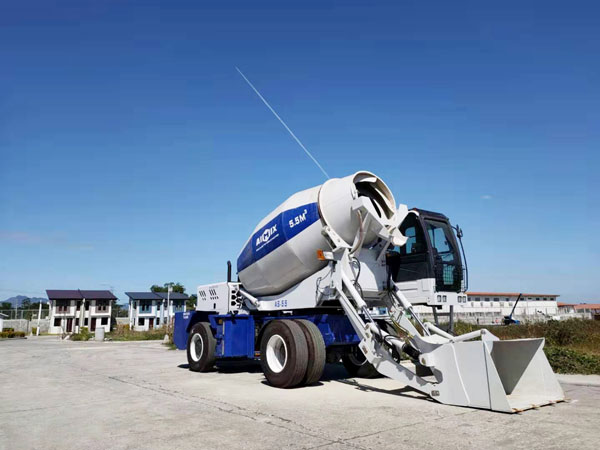
A concrete self loading mixer automates loading, mixing, and discharge. It suits medium jobs and remote sites without extra equipment. It reduces labor but costs more and is larger.
For tiny pours or tight spaces, a small mixer is lighter and easier to move. It also uses less power. Self-loaders shine when you need to mix and move larger amounts without helpers.
Each type has strengths for different job scales.
When ordering ready-mix, you must estimate batch size. Errors lead to surplus or shortage. Surplus hardens and becomes waste. Shortage delays the job.
A small mixer lets you mix exact amounts as needed. You use all the concrete and avoid leftovers. This reduces cleanup and supports better material use.
Precision mixing cuts cost and mess on site.
Small jobs may need different concrete strengths or additives. A small concrete mixer machine lets you adjust mix ratios batch by batch. You can switch from mortar to structural mix easily.
This flexibility supports tasks like fence post bases, garden paths, and repair patches. You are not stuck with one preset mix from a plant.
Control over mix design improves results and saves time.
Most small mixers are light enough to move with a hand truck or trailer. After the job, you store them in a garage, shed, or van. They take little space compared to large equipment.
This portability means you can take the mixer to several small jobs in one day. It also suits contractors with limited storage space.
Easy transport extends its usefulness across projects.
Small mixers have fewer moving parts than large units. Basic upkeep includes cleaning the drum and greasing bearings. Electric models need less care than gas ones.
With proper use, they last many years. Spare parts are often inexpensive and easy to find. This keeps running cost low.
Reliable machines mean less downtime and trouble.
Homeowners, builders, and small crews find small mixers helpful. They can take on more jobs without relying on ready-mix suppliers. This builds skill and client trust.
As business grows, they may add a concrete self loading mixer for bigger tasks. Starting with a small mixer is a practical step.
It opens doors to more work and steady income.
When concrete is mixed on-site, you place it right away. There is less risk of partial setting during transport. This improves compaction and bonding.
Finishing is easier because the mix retains workability. You get smoother surfaces and stronger joints. For tasks like paving stones or small slabs, quality gains are clear.
Immediate placement leads to better end results.
Ready-mix delivery needs precise timing. Bad weather can delay trucks and ruin schedules. With a small concrete mixer machine, you mix only when conditions are right.
You avoid rushing in rain or heat to unload a truck. This control lowers the chance of poor curing or surface defects. Work proceeds safely and predictably.
Weather independence makes planning easier.
Using local sand, gravel, and cement means you manage raw material stocks. You buy in quantities that suit your workflow. This avoids wastage from bulk deliveries.
You also prevent site clutter from excess pallets or bags. Organized inventory speeds up loading and keeps the site tidy.
Efficient material handling aids overall job flow.
Transporting ready-mix generates carbon emissions from truck fleets. A small mixer cuts those trips significantly. You also reduce packaging waste from bagged concrete.
Using local materials lowers the environmental footprint. Some models are designed to use less fuel or run on electricity.
Small mixers support greener construction methods.
Starting with a small concrete mixer machine teaches hands-on mixing skills. You learn how water, aggregates, and cement interact. You test slump and adjust mixes by feel.
This experience builds confidence to take on larger pours later. When you upgrade to a concrete self loading mixer, you already understand batch control.
Skill growth turns beginners into capable contractors.
A small concrete mixer machine makes on-site concrete work easy and affordable. It brings mixing to tight spots, cuts waste, and needs little training. Compared with a concrete self loading mixer, it is lighter, cheaper, and better for small volumes.
For repairs, DIY builds, or minor construction tasks, it is a valuable tool. It gives you control, saves time, and helps you work efficiently. Choosing the right small mixer sets you up for smooth, successful jobs.

© 2025 Crivva - Hosted by Airy Hosting Managed Website Hosting.