


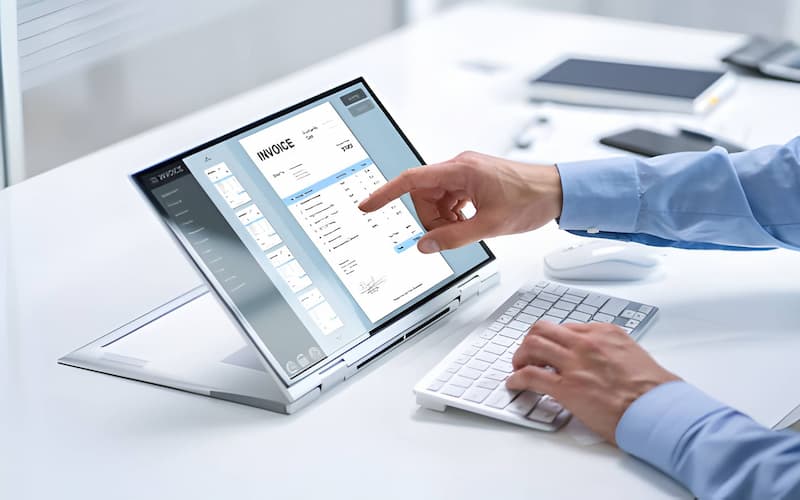
In today’s fast-paced business environment, organizations across Saudi Arabia are increasingly adopting digital solutions to streamline operations and enhance financial transparency. Among these, E-invoicing in Saudi Arabia has emerged as a vital tool for businesses looking to automate invoice management, ensure compliance, and improve cash flow management. The implementation of e-invoicing systems goes beyond simply generating invoices; it provides rich data insights that help organizations make informed business decisions. Central to this capability are robust E-invoicing reporting features that track performance, monitor compliance, and optimize overall financial processes.
E-invoicing reporting allows companies to measure the efficiency of their billing operations, identify bottlenecks, and maintain accurate records for regulatory purposes. By leveraging these reporting capabilities, businesses can gain a comprehensive understanding of their invoicing workflows, customer payment patterns, and overall financial health. In Saudi Arabia, where regulatory compliance and VAT reporting are crucial, having detailed e-invoicing reports ensures that companies stay aligned with government requirements while improving operational efficiency. Furthermore, these reporting tools support decision-making across finance, operations, and management teams by providing actionable insights that can shape strategic priorities and improve business performance.

One of the most critical E-invoicing reporting features is real-time tracking of invoices. This feature enables businesses to monitor the status of every invoice—from creation to payment—at any given moment. Companies can quickly identify pending approvals, delayed payments, or discrepancies in invoice processing. Real-time invoice tracking ensures transparency, allows finance teams to proactively address delays, and helps maintain smooth cash flow. For Saudi businesses, real-time insights are essential for timely VAT compliance and regulatory reporting, minimizing the risk of fines and maintaining strong supplier and client relationships.
Compliance is a key concern for businesses operating in Saudi Arabia. E-invoicing reporting features can automatically generate compliance reports that align with government requirements, including VAT submissions and audit trails. By automating this process, organizations reduce the risk of human error, ensure timely submissions, and maintain accurate records for regulatory authorities. Automated compliance reporting also frees finance teams from manual tasks, allowing them to focus on strategic decision-making and financial planning, while ensuring that the business is fully prepared for audits or regulatory checks.
Monitoring customer payments is crucial for cash flow management. E-invoicing reporting provides detailed insights into payment statuses, including overdue invoices, partial payments, and completed transactions. Businesses can generate reports to identify slow-paying clients and develop strategies to encourage timely settlements. Tracking payment patterns also enables organizations to forecast cash flow more accurately, reduce financial risks, and optimize working capital. Understanding the payment behavior of clients allows companies to create better credit policies, manage receivables efficiently, and reduce the likelihood of cash shortages.
Errors in invoices can lead to disputes, delayed payments, and compliance issues. Robust E-invoicing reporting tools allow companies to generate reports highlighting invoice inaccuracies, such as mismatched data, incorrect tax calculations, or missing details. By regularly monitoring these reports, businesses can take corrective measures, train staff, and implement system checks to minimize errors. Maintaining high invoice accuracy is vital for preserving supplier relationships, avoiding financial disputes, and ensuring smooth financial operations. Accurate invoicing also strengthens the credibility of the business and contributes to long-term trust with clients and partners.
E-invoicing reporting features provide valuable insights into customer and vendor interactions. Businesses can analyze trends in invoice volumes, payment behavior, and transaction frequency. Understanding these patterns helps organizations optimize their credit policies, negotiate better terms with vendors, and strengthen customer relationships. Detailed reporting also allows companies to segment customers and vendors based on payment reliability, enabling targeted strategies for risk mitigation and improved financial management. By leveraging these insights, companies can foster stronger business relationships and identify opportunities for process improvement.
Many e-invoicing systems offer interactive dashboards that consolidate key performance indicators (KPIs) related to invoicing operations. These dashboards provide a visual summary of metrics such as invoice processing time, payment cycle duration, and dispute rates. Performance dashboards allow finance teams and management to quickly assess operational efficiency, identify bottlenecks, and make data-driven decisions to improve workflows. For businesses in Saudi Arabia, these insights support strategic planning and help maintain compliance with national standards. Dashboards also help organizations track progress over time, monitor improvements, and continuously optimize financial operations.
Auditability is a crucial feature of e-invoicing reporting. Detailed audit trail reports record every action taken on an invoice, including approvals, edits, and submissions. These reports provide a transparent history of invoice management, ensuring accountability and traceability. For Saudi businesses, audit trail reports are particularly important for VAT compliance and regulatory inspections, as they demonstrate that all transactions are properly documented and monitored. Maintaining a comprehensive audit trail helps reduce disputes, supports internal controls, and provides confidence to external auditors.
Analyzing historical invoicing data allows businesses to identify trends and make forecasts. E-invoicing reporting tools can generate reports that highlight recurring payment patterns, seasonal fluctuations, and customer behavior trends. These insights help companies plan resources, optimize cash flow, and develop proactive financial strategies. Predictive analytics embedded within e-invoicing reporting further enables organizations to anticipate potential delays or disputes, reducing financial risks and improving operational efficiency. By leveraging trend reports, companies can also anticipate future business needs and align financial planning accordingly.
E-invoicing reporting features often allow users to generate customizable reports tailored to specific business needs. Companies can filter data by date, customer, vendor, invoice type, or project. Custom reports enable businesses to focus on relevant information, providing actionable insights that support decision-making across departments. Customizable reporting ensures that finance, operations, and management teams have the right information at the right time to make informed choices. Tailored reports also allow businesses to address specific challenges, monitor targeted KPIs, and optimize invoicing processes effectively.
Modern e-invoicing systems often integrate seamlessly with ERP and accounting platforms. This integration ensures that all invoicing data flows into central financial systems, enabling comprehensive reporting and analysis. Businesses can generate consolidated reports that include budgeting, expense tracking, and revenue forecasting. Integration enhances data accuracy, reduces manual work, and provides a holistic view of organizational finances, helping companies in Saudi Arabia make strategic, data-driven decisions. Integrated reporting also facilitates faster reconciliation, improves financial oversight, and strengthens operational control.
Understanding and leveraging E-invoicing reporting features is essential for businesses to maximize the benefits of digital invoicing. Features such as real-time tracking, automated compliance reporting, payment status reports, invoice accuracy monitoring, and customer/vendor insights empower organizations to improve operational efficiency, reduce errors, and ensure regulatory compliance. By adopting E-invoicing in Saudi Arabia with advanced reporting capabilities, companies can streamline financial processes, strengthen stakeholder relationships, and make informed decisions that support long-term growth and stability. Businesses that prioritize robust reporting will gain a competitive edge and maintain operational excellence in today’s evolving digital landscape.

© 2025 Crivva - Hosted by Airy Hosting Managed Website Hosting.