Raising a child with Down syndrome comes with unique challenges — and unique joys. As a parent, one of the most important decisions you will make is where and how to access therapy. India has seen a significant improvement in the quality of neuro-developmental care available, with specialised centres now offering internationally recognised treatment protocols.
This guide is designed to help parents understand what Down syndrome treatment in India looks like today, what questions to ask, and what to realistically expect from a structured therapy programme.
What is Down Syndrome? Understanding the Basics
Down syndrome (Trisomy 21) is a chromosomal condition that occurs when a child is born with a third copy of chromosome 21. Rather than the usual 46 chromosomes, the child has 47. This extra chromosome influences physical development, cognitive functioning, muscle tone, and speech — though the degree of impact varies considerably from child to child.
The condition is not hereditary in most cases and is not caused by anything parents do or do not do during pregnancy. Understanding this is important, not just for reducing parental guilt, but also for focusing energy where it matters most: on effective intervention.
Recognising the Signs: When Should Parents Seek Help?
Down syndrome is usually diagnosed at birth through physical observation or confirmed earlier during pregnancy via prenatal testing. However, the question of when to begin therapy is one that many parents delay — often because they are still processing the diagnosis.
Key signs that indicate therapy should begin immediately include:
• Low muscle tone (hypotonia) — noticeable floppiness in the body
• Delayed motor milestones — difficulty rolling over, sitting, or walking
• Feeding difficulties — poor sucking reflex or swallowing issues
• Limited vocalisation or babbling beyond expected age
• Reduced responsiveness to sound or visual stimuli
If any of these are present — and in Down syndrome, most typically are — begin therapy as soon as possible. There is no benefit to waiting.
The Range of Therapies Available for Down Syndrome in India
Modern Down syndrome treatment in India is no longer limited to basic physiotherapy or speech sessions. Centres that invest in international training now offer a wide spectrum of evidence-informed approaches. Here is a breakdown of what families should be aware of:
Physical and Motor Therapies
• Physiotherapy — builds muscle tone, strength, and coordination
• Floor Programme / Gymnastic Programme — improves gross motor development through structured movement sequences
• Balance Board Training — develops postural stability and vestibular function
• Iyengar Yoga — addresses hypotonia and body awareness through adapted yoga postures
Sensory and Neurological Therapies
• Sensory Integration Therapy — helps regulate sensory processing
• Reflex Integration Therapy — addresses retained primitive reflexes that interfere with learning and movement
• The Listening Programme (TLP) — uses specially processed music to support auditory processing and neural development
• Audio-Visual Therapy — stimulates the visual and auditory pathways simultaneously
• Prism Therapy — improves visual processing and spatial awareness
Communication Therapies
• Speech Therapy — builds expressive and receptive language skills
• Oro-Facial and Logotherapy — strengthens oral muscles for clearer articulation
• Music Therapy — supports language development through rhythm and melody
Cognitive and Academic Programmes
• Brain Gym Therapy — uses movement to enhance cognitive readiness
• Reading, Maths, and Encyclopedia Programme — structured intellectual development
• Behaviour Modification Programme — builds self-regulation and social skills
Holistic and Nutritional Support
• Nutrition Protocol and Dietary Guidance — addresses nutritional gaps that affect development
• Homeopathy — used by some centres as a complementary support
Important: Not all centres offer all therapies. Choose a centre that provides an integrated programme tailored to your child’s specific profile — rather than isolated sessions in a single therapy type.
How to Choose a Down Syndrome Treatment Centre in India
With more options available than ever before, choosing the right centre can feel overwhelming. Here is a practical checklist to guide your decision:
Ask About the Team
• Do they have special educators, occupational therapists, speech therapists, AND physiotherapists on staff?
• Are therapists trained in international programmes?
• Does the team receive ongoing education from foreign specialists?
Ask About the Programme
• Is the programme individualised or generic?
• How is progress tracked and communicated to parents?
• Is there a home component for reinforcement between sessions?
Ask About Practicalities
• What is the recommended session frequency?
• Is the facility accessible and safe for children?
• Do they have CCTV or other transparency measures for parents?
• Is a Home Plan available for families travelling from outside the city?
The Role of Parents in a Therapy Programme
Therapy does not happen only within the walls of a centre. Parents who are actively involved in their child’s programme — understanding what each therapy aims to achieve and reinforcing it at home — consistently report faster progress.
Reputable centres will provide parents with:
• Clear guidance on home exercises and activities
• Regular progress reviews with the therapy team
• Dietary and nutritional recommendations
• Realistic milestone expectations
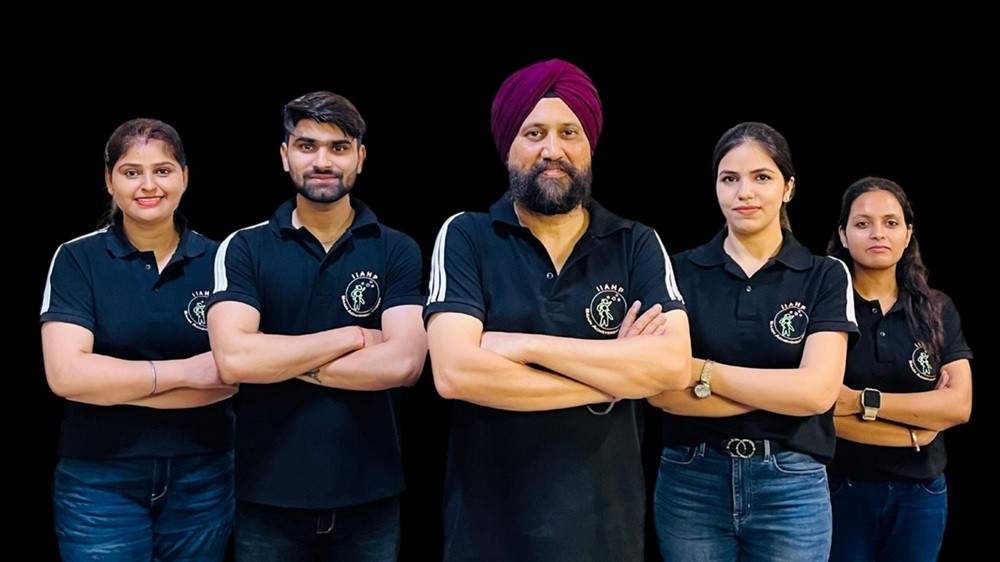
IIAHP: Trusted Down Syndrome Treatment in Chandigarh
IIAHP Chandigarh is a leading neuro-developmental therapy centre that has built its reputation on a drug-free, multi-therapy approach to conditions including Down syndrome, autism, and cerebral palsy. Their programme accepts children aged 1 month to 17 years, enabling early intervention from the very beginning.
What distinguishes IIAHP is the breadth of their therapy offering — over 20 international modalities delivered in a single, structured programme — combined with a team that trains regularly with specialists from abroad. The centre is fully air-conditioned, CCTV-monitored, and designed to provide parents with complete transparency.
For families who live outside Chandigarh, IIAHP offers a Zoom-based Home Plan that delivers the programme remotely, ensuring that geography is not a barrier to quality care.
Real Progress is Possible
It would be misleading to suggest that therapy eliminates Down syndrome — it does not. But therapy, started early and delivered consistently, can make the difference between a child who struggles to communicate and one who speaks clearly, reads, and engages confidently with the world around them.
Success stories from families across India confirm that children who receive structured, multi-disciplinary treatment from qualified centres show measurable improvement in speech, motor skills, attention, social interaction, and academic readiness. The trajectory of a child’s life can genuinely be altered by the quality of intervention they receive.
Conclusion: Don’t Wait. Start Early, Start Right.
If your child has been diagnosed with Down syndrome, the most important thing you can do right now is to find the right therapy centre and begin. The earlier you act, the more ground your child can cover.
Look for a centre with experienced, internationally trained therapists, a comprehensive multi-therapy programme, and a genuine commitment to individualised care. And remember — your involvement as a parent is just as important as the therapy itself.
Your child deserves the best possible start. Make sure they get it.