

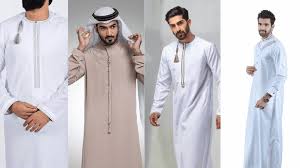
The kandura is more than just a garment — it’s a symbol of identity, cultural heritage, and refined simplicity. Across the Gulf countries, this iconic piece of traditional Arabic men’s clothing has evolved into a diverse range of styles that reflect regional influences, climate considerations, and contemporary fashion sensibilities. While the classic white kandura remains a timeless staple, subtle differences in cut, detailing, and even layering have made each Gulf nation’s approach to the kandura uniquely expressive.
Whether you wear it for daily life, for Ramadan, or at special gatherings, understanding these distinctions can deepen your appreciation of the attire and guide you toward the perfect choice. For those seeking premium men’s kandura options, Bayt Al Ghutar is widely recognized for offering quality pieces that honor traditional craftsmanship while embracing modern refinement.
Across the United Arab Emirates (UAE), the Emirati kandura is synonymous with minimalist elegance. Typically crafted in pristine white cotton or lightweight fabric, this version emphasizes a clean silhouette that honors simplicity and comfort.
Key features include:
Straight cut with subtle tailoring
Mandarin collar (without buttons for the most formal look)
Comfortable, breathable fabric suited for the UAE’s warm climate
The Emirati style embodies a sense of refined restraint — modest yet impeccably poised. Whether worn at daily prayers, in the majlis, or during Ramadan gatherings, it strikes a balance between understated dignity and timeless appeal.
In Saudi Arabia, variations of the kandura (often called thawb) reflect both tradition and practicality. While white remains predominant, you’ll also see subtle hues of cream or beige — especially in cooler months. The Saudi approach often includes:
A slightly longer length that brushes the ankles
Broader sleeves providing ease of movement
Occasionally, light embroidery or piping along borders
The Saudi style pairs beautifully with a bold aroma — yet mindful grooming is key, especially during shared prayer spaces. This is where choosing the right Arabic perfume to wear with your kandura becomes an art in itself. Bayt Al Ghutar offers refined scent options that enhance personal presence without distraction.
In Qatar, the kandura is known for its structured elegance. Qatari men often prefer a more tailored look — what some describe as a sleek, contemporary refinement of the traditional garb. Distinguishing elements may include:
A well-defined shoulder line
A facelifted collar style
Cuff detailing that hints at sartorial craftsmanship
Qatar’s approach to the kandura pairs classical modesty with a sharper silhouette. It’s a style that suits everything from Friday prayers to evenings at Souq Waqif, making it a versatile choice for many occasions.
The kandura in Kuwait bridges the traditional and the comfortable. While maintaining the classic form, it frequently leans toward a slightly looser fit — ideal for the country’s coastal climate and relaxed social environments.
Kuwaiti kanduras may feature:
Extra room in the shoulder and chest area
A softer, more flowing drape
Subtle accents like stitched cuffs or collar lines
This makes the Kuwaiti style a favorite for everyday wear, social gatherings, and community events — all while keeping an effortless, sophisticated look.
Oman’s kandura — often known locally as dishdasha — stands out for its cultural uniqueness and historical resonance. Rather than having buttons, traditional Omani versions are typically identified by:
A tassel (furakha) attached at the neckline
Richer fabric choices suitable for cooler seasons
Occasional handwoven details reflecting heritage artistry
Omani men may pair their dishdasha with a kumma (embroidered cap) or a mussar (wrapped turban), adding an extra layer of cultural expression. This iteration of the traditional Arabic clothing for men holds deep historical significance and remains a statement piece of national pride.
In Bahrain, the kandura reflects both the traditions of the Gulf and a subtle openness to contemporary design. Bahraini men often:
Favor crisp, tailored fabrics
Opt for minimalist necklines with refined stitching
Choose lighter tones like off-white or cream
This version marries the disciplined lines of classic styles with a relaxed modern ease — ideal for urban lifestyles and cosmopolitan environments.
While style variations are fascinating, all Gulf kanduras share a commitment to comfort and wearability. Climate plays a major role — lightweight, breathable materials like cotton and linen are common across all styles. During months like Ramadan, these fabric choices become especially valuable, ensuring comfort during daily prayers and fasting hours.
Bayt Al Ghutar offers a curated selection of premium men’s kandura that blends traditional craftsmanship with modern comfort. Their focus on quality fabrics ensures pieces that feel as good as they look — a perfect harmony of heritage and contemporary wearability.
The kandura is often complemented by additional elements that reflect personal style and context:
Perfume: Choosing the right fragrance — subtle, respectful, and elegant — enhances the overall presentation. Bayt Al Ghutar’s Arabic scents are crafted with a focus on balance, perfect for both daily activities and special evenings.
Accessories: Timeless accessories like cufflinks, a classic wristwatch, or minimalist sandals elevate the attire without overpowering the outfit’s simplicity.
Headwear: The ghutra or shemagh, paired with the agal, completes the traditional ensemble and ties regional identity together with grace.
Across Gulf countries, the kandura remains a garment of cultural significance and subtle expression. It’s not just a piece of clothing — it reflects values of:
Modesty
Dignity
Tradition
Personal refinement
Whether attending sacred moments during Ramadan or engaging in daily life, the right kandura transcends trend — it becomes a statement of identity.
The world of men’s kandura across the Gulf is rich, varied, and deeply rooted in cultural nuance. From the minimalist elegance of the Emirati classic to the structured lines of the Qatari style, each iteration carries its own story. Paired with thoughtful grooming and complemented by refined fragrances, the kandura remains an iconic representation of traditional Arabic clothing for men.
If you seek quality that honors tradition without compromising comfort or style, exploring Bayt Al Ghutar’s selection of premium kanduras and complementary perfumes brings together heritage, craftsmanship, and contemporary elegance — ensuring you make a statement that resonates with both culture and personal presence.

© 2025 Crivva - Hosted by Airy Hosting Managed Website Hosting.