


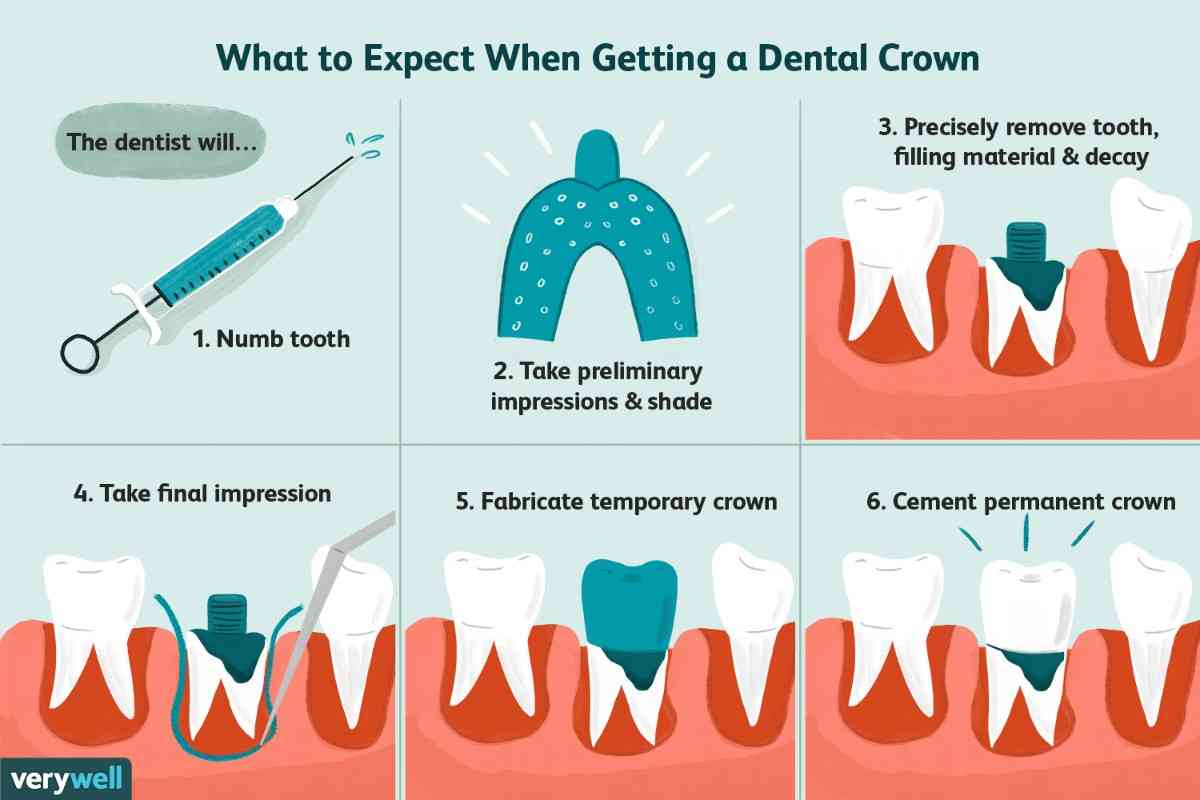
If you’re considering a dental crown in Cambridge, you’re likely asking the same questions many patients do: Will it hurt? How will my tooth look afterward? How long is recovery? Dental crowns are one of the most effective and common restorative dental treatments, helping protect damaged teeth while restoring strength, function, and appearance.
This comprehensive guide explains before-and-after results, pain management, and recovery tips so you know exactly what to expect and can make an informed decision with confidence.
A dental crown is a custom-made cap placed over a damaged or weakened tooth. It restores the tooth’s original shape, size, and strength while improving its appearance.
Severe tooth decay
Cracked or fractured teeth
Large fillings that weaken the tooth
Root canal treatment
Worn-down or misshapen teeth
Cosmetic improvements
Patients in Cambridge often choose crowns not only to relieve discomfort but also to prevent further dental problems.
Before treatment, patients may experience:
Tooth sensitivity to hot or cold
Pain when chewing
Visible cracks or discoloration
Uneven bite or weakened tooth structure
These issues can affect both oral health and confidence.
After placement, most patients notice immediate improvements:
Natural-looking tooth color and shape
Improved chewing and bite alignment
Protection against further decay or damage
Reduced sensitivity and discomfort
Enhanced smile aesthetics
Modern dental crowns are designed to blend seamlessly with your natural teeth, making them nearly indistinguishable.
Choosing the right crown depends on function, appearance, and budget.
Porcelain or ceramic – Best for front teeth and aesthetics
Porcelain-fused-to-metal (PFM) – Strength and natural appearance
Metal crowns – Extremely durable, often used for molars
Zirconia crowns – Strong, aesthetic, and increasingly popular
Your dentist will recommend the most suitable option based on your individual needs.
Dental crown placement is not considered painful. The tooth is fully numbed with local anesthesia before preparation begins. You may feel vibration or pressure, but not pain.
For patients with dental anxiety, some Cambridge clinics offer:
Oral sedation
Conscious sedation options
Mild discomfort after the procedure is common and temporary.
Mild soreness around the gum line
Temporary sensitivity to hot or cold
Slight pressure when biting
These symptoms usually fade within a few days to one week.
Use over-the-counter pain relievers as recommended
Avoid chewing on the crowned tooth for 24 hours
Stick to soft foods initially
Maintain good oral hygiene without aggressive brushing
Recovery after a dental crown is generally quick and straightforward.
Mild sensitivity or soreness
Avoid sticky or hard foods
Bite may feel slightly “off” initially
Gums adapt around the crown
Sensitivity reduces significantly
Normal eating gradually resumes
Crown feels natural
Full chewing comfort returns
Any lingering discomfort should be minimal
If pain persists beyond two weeks, it’s important to contact your dentist.
Proper care ensures your crown lasts for many years.
Brush twice daily with a soft-bristled toothbrush
Floss carefully around the crown
Avoid biting hard objects (ice, pens)
Wear a night guard if you grind your teeth
Attend regular dental checkups
Dental crowns can last 10–15 years or longer with good care.
Yes, and this is common early on. If your bite feels uneven or uncomfortable:
Your dentist can easily adjust the crown
Early correction prevents jaw pain and headaches
Never ignore bite discomfort—it’s a simple fix when addressed promptly.
One major advantage of modern crowns is their aesthetic impact. Many patients in Cambridge choose crowns to:
Improve tooth color and shape
Restore symmetry to their smile
Boost self-confidence
Crowns don’t just restore teeth—they restore confidence.
Beyond improving appearance, a dental crown plays a critical role in maintaining long-term oral health. When a tooth is cracked, weakened, or heavily restored, it becomes vulnerable to further damage and infection. A crown acts as a protective barrier, sealing the tooth and preventing bacteria from entering.
By covering the entire visible portion of the tooth, crowns help:
Prevent fractures from spreading
Reduce the risk of future root canal treatment
Maintain proper bite alignment
Preserve surrounding teeth and jaw health
For patients in Cambridge, this proactive approach often prevents more costly and invasive procedures later.
Many patients wonder why a dentist recommends a crown instead of a filling. While fillings are suitable for small areas of decay, they don’t provide enough structural support for severely damaged teeth.
Fillings repair small cavities but weaken over time
Crowns reinforce the entire tooth structure
Crowns last longer and offer better protection
Crowns reduce sensitivity and chewing discomfort
If more than 40–50% of a tooth is damaged, a crown is often the safest and most durable option.
Most crowns require two visits, though same-day crowns may be available in some cases.
Yes. Modern crowns are color-matched to blend seamlessly with your natural teeth.
Temporary sensitivity is normal and usually resolves within a few days.
It’s rare, but if it happens, contact your dentist immediately for re-cementation.
With proper care, crowns can last 10–15 years or more.
A dental crown in Cambridge is a highly effective solution for restoring damaged teeth, improving appearance, and preventing future problems. Most patients experience minimal discomfort, fast recovery, and impressive before-and-after results.
With proper care and professional guidance, a dental crown can protect your smile for years while restoring comfort and confidence. If you’re experiencing pain, sensitivity, or cosmetic concerns, a dental crown may be the long-term solution you’ve been looking for.

© 2025 Crivva - Hosted by Airy Hosting Managed Website Hosting.