It is one of the most universally dreaded phrases in the English language: “You need a root canal.” For decades, pop culture and outdated playground rumors have painted this standard dental procedure as a grueling, painful ordeal. However, modern dentistry has evolved dramatically. Today, thanks to advancements in anesthetics, 3D imaging, and specialized tools, the narrative has entirely flipped. A root canal is no longer a source of pain—it is the ultimate cure for it.
More importantly, it is a critical intervention designed to save your natural tooth from extraction. In an era where dental implants and bridges are heavily marketed, preserving your biological tooth structure remains the gold standard of oral healthcare. Let’s explore the modern reality of endodontic therapy, why preserving your tooth is vital for your long-term health, and what you can truly expect from the procedure.
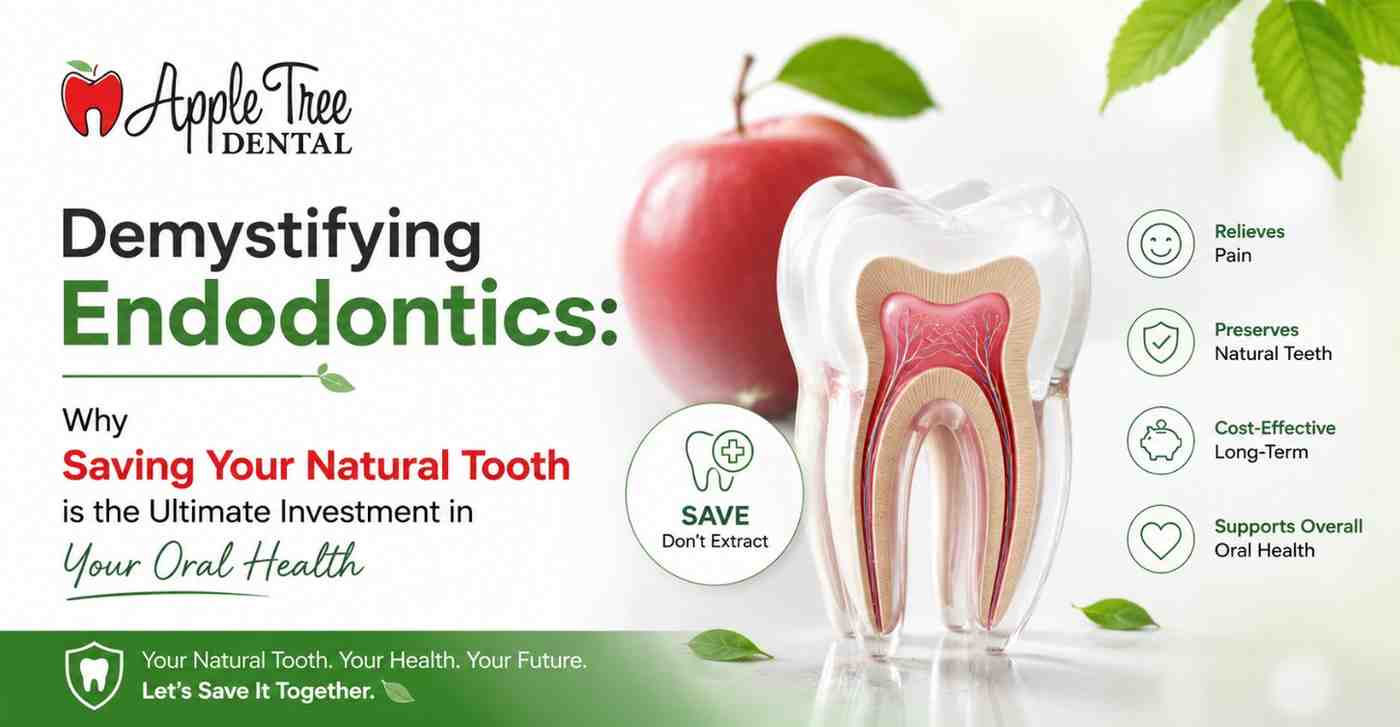
To understand why a root canal is necessary, we must first look at the anatomy of a tooth. Think of your tooth as a microscopic fortress. The outer layer, enamel, is the hardest substance in the human body—designed to withstand the immense pressures of chewing. Beneath the enamel lies the dentin, a slightly softer, porous layer.
Deep within the core of this fortress lies the pulp chamber. This is the living heart of the tooth, housing a complex network of nerves, blood vessels, and connective tissue. During your childhood and teenage years, this pulp is essential for the growth and development of the tooth. However, once a tooth is fully mature, it can survive perfectly well without the pulp, sustained instead by the tissues surrounding its exterior roots.
When severe decay, a deep crack, or repeated dental trauma compromises the enamel and dentin, bacteria can infiltrate the inner sanctum. Once bacteria reach the pulp, an infection ensues. Because the pulp is encased in rigid walls of dentin, the resulting inflammation has nowhere to expand. This causes intense pressure to build up against the nerve endings, resulting in the severe, throbbing pain commonly associated with an infected tooth.
If left untreated, this infection does not simply disappear. It can travel down through the root canals and into the surrounding jawbone, creating a painful abscess and potentially triggering systemic health issues.
The fear surrounding root canals is largely a hangover from a bygone era of dentistry. Today, the procedure is remarkably straightforward and comfortable. In fact, most patients report that the experience is no more uncomfortable than receiving a standard dental filling.
Several technological leaps have made this possible:
Profound Local Anesthesia: Modern anesthetics are highly effective and fast-acting. Dentists can ensure the entire area is completely numb before the procedure even begins, ensuring a painless experience.
Rotary Endodontics: Instead of traditional manual files, many modern clinics use electrically powered instruments made of flexible nickel-titanium. This allows the dentist to clean and shape the root canals faster, smoother, and with greater precision.
Cone Beam Computed Tomography (CBCT): Advanced 3D imaging allows dentists to see the exact shape, length, and curvature of a patient’s root canals before they even pick up an instrument, removing the guesswork from the procedure.
The pain you associate with a root canal is actually the pain of the infection. The procedure itself is the immediate relief from that agony.
When faced with a severely decayed tooth, some patients wonder if it would be easier and cheaper to simply have the tooth pulled. While an extraction might seem like a quick fix, it frequently initiates a domino effect of long-term dental complications.
Your teeth work together as a highly calibrated system. When you remove a tooth, you disrupt that system in several ways:
Bone Resorption: The roots of your teeth stimulate your jawbone every time you chew. When a tooth is extracted, the bone in that specific area no longer receives stimulation and begins to atrophy (melt away). Over time, this can alter your facial structure, leading to a sunken, prematurely aged appearance.
Shifting Teeth: Imagine a tightly packed bookshelf. If you pull one book out, the surrounding books inevitably lean and shift into the empty space. Your teeth do the exact same thing. Adjacent teeth will slowly drift into the gap, causing bite alignment issues (malocclusion), which can lead to jaw pain, TMJ disorders, and uneven wear on your remaining enamel.
Financial Reality: While an extraction has a lower upfront cost, replacing the missing tooth with a dental implant or a fixed bridge—which is highly recommended to prevent the shifting and bone loss mentioned above—is significantly more expensive and invasive than a root canal and a dental crown.
By choosing to save the tooth, you maintain your natural bite, protect your jawbone, and ensure that your smile remains structurally sound.
Demystifying the process is the best way to alleviate dental anxiety. Here is the standard step-by-step journey of a modern root canal:
Diagnosis and Isolation: After reviewing X-rays and numbing the tooth, the dentist places a small protective sheet called a dental dam over the area. This keeps the tooth dry, clean, and isolated from the bacteria in your saliva.
Accessing the Pulp: A tiny opening is created in the crown of the tooth to access the infected pulp chamber.
Cleaning and Shaping: Using specialized micro-instruments, the dentist carefully removes the diseased nerve tissue, bacteria, and debris from the pulp chamber and the root canals. The canals are then gently shaped and disinfected with antibacterial solutions.
Filling the Canals: Once cleaned and dried, the empty canals are completely filled with a biocompatible, rubber-like material called gutta-percha. This seals the canals securely, preventing any future bacterial re-contamination.
Restoration: Because a tooth that has undergone endodontic therapy is hollowed out and no longer receives vital nutrients, it can become brittle. Therefore, the final step involves placing a custom-fabricated dental crown over the tooth. This restores its full strength, function, and aesthetic appearance, allowing you to chew with confidence.
Recovery from a modern root canal is typically swift. Once the anesthesia wears off, you may experience mild tenderness or jaw soreness for a few days, largely due to keeping your mouth open during the procedure. This is a normal inflammatory response and is easily managed with over-the-counter anti-inflammatory medications like Ibuprofen.
It is crucial to maintain excellent oral hygiene—brushing and flossing regularly—and to avoid chewing hard or sticky foods on the treated tooth until your permanent crown has been securely placed.
If you are experiencing severe tooth sensitivity to hot or cold, swollen gums, or a persistent, throbbing toothache, time is of the essence. Seeking prompt professional intervention can be the difference between saving and losing your natural tooth.
For residents in the Forest City, finding a dental team that prioritizes both clinical excellence and patient comfort is paramount. For comprehensive guides on this procedure and what to expect from a Root canal dental london experts at Apple Tree Dental offer extensive patient resources and compassionate care tailored to alleviate dental anxiety. Choosing a local practice that utilizes state-of-the-art diagnostic tools ensures that your treatment is precise, efficient, and tailored to your specific anatomical needs.
A root canal is a modern medical marvel that allows us to rescue teeth that, just a few decades ago, would have been permanently lost. By preserving your natural tooth structure, you are investing in the long-term functionality of your bite, the integrity of your jawbone, and the longevity of your smile.
The next time you hear the words “root canal,” do not panic. Instead, recognize it for what it truly is: an opportunity to eliminate pain and protect your health for decades to come.
Apple Tree Dental is a premier family, cosmetic, and restorative dental practice proudly serving the London, Ontario community. Backed by a team of highly credentialed, licensed dental professionals, Apple Tree Dental is committed to evidence-based dentistry, patient education, and providing a stress-free environment for complex procedures. With a focus on preserving natural dentition and utilizing advanced dental technology, the clinic has become a trusted resource for comprehensive oral healthcare in the region.

© 2025 Crivva - Hosted by Airy Hosting Managed Website Hosting.