


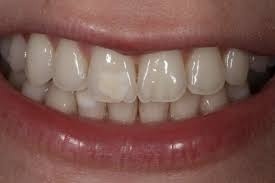
Oral health plays a major role in overall well-being, yet many people ignore small changes in their teeth until discomfort begins. One common concern that often raises alarm is the appearance of Dark Marks on Teeth. These marks may range from faint brown lines to noticeable black spots, and while some causes are harmless, others may signal deeper dental problems that should not be overlooked. Understanding why these marks appear and knowing when professional care is necessary can help protect both your smile and your health.
Maintaining healthy teeth is not just about aesthetics; it is also about preventing long-term complications such as decay, infection, and gum disease. Tooth discoloration can develop gradually, making it easy to dismiss as a cosmetic issue. However, certain dark marks can indicate enamel damage or underlying decay that requires timely attention.
In today’s fast-paced lifestyle, people are becoming more aware of holistic health approaches promoted by platforms like wellnessforlife, which emphasize prevention, education, and early intervention. Dental health fits perfectly into this approach, as recognizing early warning signs can prevent painful and costly treatments later.
Dark marks on teeth can appear in various forms, including spots, streaks, or patches. They may affect a single tooth or multiple teeth and can vary in color intensity. Understanding what these marks represent is the first step toward determining whether professional care is needed.
Dark marks may appear as:
Some marks are superficial and sit on the enamel, while others penetrate deeper layers of the tooth. The depth and location of discoloration often provide clues about its cause.
Not all dark marks are dangerous. Some are purely cosmetic and result from lifestyle habits or aging. However, distinguishing between harmless stains and warning signs of decay can be difficult without professional evaluation. When in doubt, it is safer to consult a dentist rather than assume the issue is minor.
Dark marks can develop for many reasons, ranging from daily habits to underlying medical conditions. Identifying the cause helps determine the appropriate treatment.
Certain foods and drinks are known to stain teeth over time. Coffee, tea, red wine, cola, and dark berries contain pigments that cling to enamel. Frequent consumption without proper oral hygiene can lead to noticeable discoloration.
Smoking or chewing tobacco is a major contributor to dark stains. Nicotine and tar penetrate the enamel, creating stubborn marks that are difficult to remove with regular brushing.
Inadequate brushing and flossing allow plaque and tartar to build up. Tartar, which is hardened plaque, often appears yellow or brown and can darken further if not professionally removed.
One of the more serious causes of dark marks is tooth decay. Cavities often start as small dark spots that gradually expand. When decay reaches deeper layers of the tooth, it can cause black or gray discoloration.
Acidic foods, beverages, and conditions such as acid reflux can erode enamel. As enamel thins, the darker dentin underneath becomes visible, giving teeth a darker appearance.
Some medications, especially antibiotics taken during childhood, can cause intrinsic staining. Iron supplements and some mouthwashes may also contribute to surface discoloration.
The condition of your teeth often reflects your general oral health. Dark marks may be an early indicator of issues that, if left untreated, can affect gums, jawbone, and even overall health.
Dark lines near the gumline are sometimes associated with tartar buildup, which can lead to gum inflammation and periodontal disease. Gum disease has been linked to systemic conditions such as heart disease and diabetes.
When dark marks are caused by decay, bacteria can spread deeper into the tooth, potentially reaching the pulp. This can result in infection, abscess formation, and severe pain.
Beyond physical health, visible tooth discoloration can affect self-esteem and social interactions. Many people avoid smiling or speaking confidently due to concerns about their teeth.
Some dark marks do not pose an immediate health risk and are primarily cosmetic. Understanding these cases can help reduce unnecessary worry.
Surface stains from food, drinks, or smoking typically affect only the enamel. These stains often respond well to professional cleaning or whitening treatments.
As people age, enamel naturally wears down, revealing darker dentin beneath. This gradual change is normal and not always a sign of disease.
Occasional discoloration from dietary choices can often be managed with improved oral hygiene and regular dental visits.
Knowing when to seek professional care is crucial. While some marks are harmless, others require immediate attention.
If dark marks do not fade despite regular brushing and flossing, or if they become darker over time, a dental evaluation is recommended.
Dark marks accompanied by tooth sensitivity, pain when chewing, or spontaneous discomfort may indicate decay or enamel damage.
If the affected area feels rough or pitted when touched with the tongue, it could signal a cavity or enamel breakdown.
Swollen, bleeding, or receding gums near dark marks suggest possible gum disease or infection that needs professional treatment.
Persistent bad breath or a bad taste in the mouth, combined with dark tooth marks, may indicate bacterial activity or decay.
Dentists have specialized tools and techniques to determine the cause of dark marks and recommend appropriate treatment.
A thorough visual inspection helps identify surface stains, tartar buildup, or visible decay.
X-rays reveal hidden decay beneath the enamel and between teeth, areas not visible during a routine exam.
Dentists may gently probe the tooth surface to detect soft spots or cavities.
Evaluating the color and texture of discoloration helps distinguish between stains and structural damage.
Treatment depends on the underlying cause of discoloration. A dentist will recommend the most suitable approach.
For stains and tartar buildup, a professional cleaning can effectively remove surface discoloration and restore tooth brightness.
In cases of extrinsic staining, whitening treatments can lighten teeth and reduce the appearance of dark marks.
If decay is present, the dentist may remove the damaged portion and place a filling to restore the tooth’s structure and appearance.
For severe discoloration or structural damage, crowns or veneers can cover affected teeth and provide a natural look.
When decay reaches the tooth pulp, a root canal may be necessary to remove infection and preserve the tooth.
Prevention is always better than treatment. Simple habits can significantly reduce the risk of developing dark marks.
Brush twice daily with fluoride toothpaste and floss regularly to remove plaque and prevent staining.
Reducing intake of coffee, tea, and sugary beverages can help maintain tooth color. Rinsing with water after consumption also helps.
Avoiding smoking and chewing tobacco not only prevents stains but also reduces the risk of serious oral diseases.
Routine dental visits allow early detection of discoloration and other issues before they worsen.
If you grind your teeth or have acid reflux, discuss protective options with your dentist to prevent enamel damage.
Ignoring dark marks on teeth can lead to more complex dental problems. Early intervention often means simpler, less invasive treatments and better outcomes.
Treating minor issues early is usually less expensive and more comfortable than addressing advanced decay or infection.
Early care helps preserve natural teeth, maintain healthy gums, and reduce the risk of tooth loss.
Knowing that discoloration has been properly evaluated provides reassurance and confidence in your oral health.
Dark marks on teeth are a common concern, but they should never be ignored without understanding their cause. While some marks are harmless stains, others may signal decay, enamel erosion, or gum disease. Paying attention to changes in your teeth and seeking professional advice when necessary can prevent serious complications.
By maintaining good oral hygiene, making mindful lifestyle choices, and scheduling regular dental visits, you can protect your smile and overall health. If you notice persistent or concerning discoloration, consulting a dentist promptly is the best step toward ensuring a healthy, confident smile for years to come.

© 2025 Crivva - Hosted by Airy Hosting Managed Website Hosting.