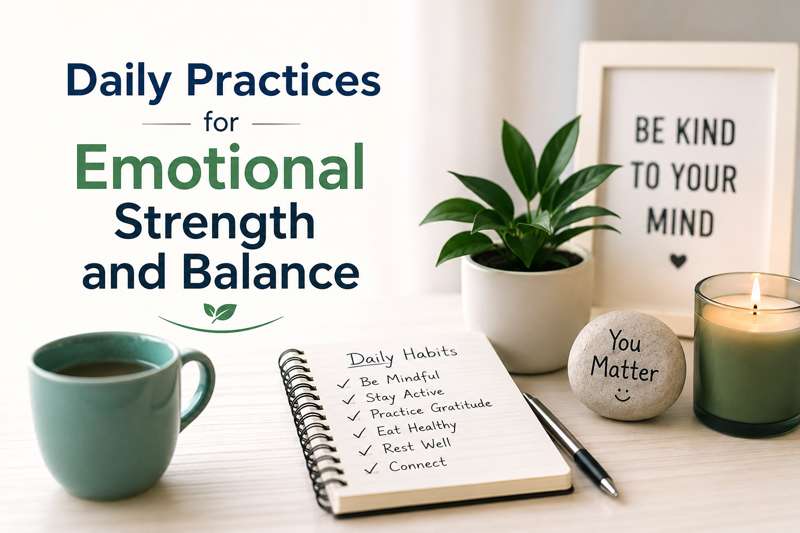
Life can be unpredictable. From managing work responsibilities and family commitments to navigating personal challenges, people face a variety of situations that can affect their emotional wellbeing. While stress and setbacks are a natural part of life, developing emotional strength can help you handle difficulties with greater confidence and resilience.
Emotional strength does not mean ignoring your feelings or pretending that everything is fine. Instead, it involves understanding your emotions, responding to challenges in healthy ways, and maintaining balance even during stressful times. Like physical fitness, emotional wellbeing requires consistent effort and daily habits.
By adopting simple routines and mindful practices, you can build a stronger foundation for long-term wellbeing. These proven mental wellness tips can help improve emotional resilience, reduce stress, and support a healthier mindset.
Emotional strength is the ability to manage emotions effectively, adapt to change, and recover from setbacks. Emotionally strong individuals are not immune to stress, disappointment, or anxiety. Rather, they possess the skills and habits necessary to cope with challenges while maintaining a positive outlook.
Developing emotional strength allows you to:
The good news is that emotional strength can be developed over time through daily practice and intentional habits.
The way you start your morning often influences how the rest of your day unfolds. Beginning the day with intention can help create a sense of focus and emotional stability.
Instead of immediately reaching for your phone or checking social media, take a few minutes to center yourself. Consider activities such as:
These simple habits encourage a calm state of mind and prepare you to face daily challenges with greater confidence.
Self-care is often misunderstood as an occasional luxury. In reality, it is a necessary part of maintaining emotional balance.
Taking care of yourself involves meeting your physical, mental, and emotional needs consistently. This may include getting enough sleep, eating nutritious foods, staying hydrated, and setting aside time for activities that bring you joy.
Among the most effective mental wellness tips is learning to recognize when you need rest and allowing yourself the time to recharge without guilt.
Gratitude is a simple yet powerful habit that can significantly improve emotional wellbeing.
When you focus on what is going well in your life, you train your mind to recognize positive experiences rather than dwelling solely on problems. This shift in perspective can reduce stress and increase overall satisfaction.
Consider keeping a gratitude journal where you write down three things you appreciate each day. They do not have to be major achievements. Small moments of joy, kindness, or comfort can have a meaningful impact on your mindset.
Over time, this practice can help foster greater optimism and emotional resilience.
Physical activity benefits both the body and the mind. Regular exercise promotes the release of endorphins, which are natural chemicals that contribute to feelings of happiness and wellbeing.
You do not need an intense workout routine to experience these benefits. Walking, cycling, yoga, swimming, or dancing can all support emotional health.
Exercise can also:
Making movement a consistent part of your routine is one of the simplest ways to support emotional balance.
Stress is unavoidable, but your response to it can make a significant difference.
Healthy stress management techniques help prevent feelings of overwhelm and improve your ability to remain calm under pressure.
Some effective methods include:
These activities allow your mind and body to recover from daily pressures and maintain emotional stability.
Many experts recommend incorporating these strategies as part of a regular routine rather than waiting until stress becomes overwhelming.
Strong social connections are essential for emotional wellbeing. Having supportive people in your life provides comfort, encouragement, and a sense of belonging.
Healthy relationships can help you navigate difficult situations more effectively and remind you that you are not alone.
To strengthen your relationships:
Positive relationships serve as an important source of emotional strength during challenging times.
One of the most overlooked aspects of emotional wellbeing is the ability to establish healthy boundaries.
Many people become emotionally exhausted because they take on too many responsibilities or struggle to say no. While helping others is valuable, consistently neglecting your own needs can lead to stress and burnout.
Healthy boundaries allow you to:
Learning to set limits is a sign of self-respect and emotional maturity.
A significant amount of emotional distress comes from worrying about situations beyond our control.
While it is natural to feel concerned about uncertain circumstances, constantly focusing on uncontrollable factors often leads to frustration and anxiety.
Instead, direct your attention toward things you can influence, such as:
This mindset encourages personal responsibility and helps you feel more empowered during difficult situations.
Many people are their own harshest critics. While striving for improvement is healthy, excessive self-judgment can damage emotional wellbeing.
Self-compassion involves treating yourself with the same kindness and understanding that you would offer a friend.
When you make a mistake or encounter a setback:
Practicing self-compassion can improve resilience and support a healthier relationship with yourself.
Enjoyable activities are not merely distractions—they play an important role in maintaining emotional balance.
Whether you enjoy reading, gardening, cooking, painting, traveling, or spending time outdoors, hobbies provide opportunities to relax, recharge, and experience positive emotions.
Scheduling time for activities you genuinely enjoy can improve mood, reduce stress, and enhance overall wellbeing.
These moments of enjoyment contribute to a healthier and more balanced lifestyle.
Personal growth is an ongoing process. Developing new skills, learning from experiences, and embracing opportunities for improvement can strengthen emotional resilience.
Growth often occurs through small, consistent actions rather than dramatic changes.
By continuously applying practical mental wellness tips, you can build confidence, adapt to challenges more effectively, and create a stronger foundation for emotional wellbeing.
Remember that progress does not require perfection. Every positive step contributes to long-term growth and resilience.
Emotional strength and balance are not achieved overnight. They are built through daily habits, intentional choices, and a commitment to caring for your overall wellbeing.
Simple practices such as gratitude, self-care, stress management, physical activity, healthy boundaries, and meaningful relationships can have a profound impact on your emotional health. While challenges are inevitable, developing these habits helps you navigate them with greater confidence and resilience.
The journey toward emotional wellbeing begins with small, consistent actions. By incorporating these mental wellness tips into your daily routine, you can cultivate a healthier mindset, strengthen your emotional resilience, and create a more balanced and fulfilling life.
© 2025 Crivva - Hosted by Airy Hosting Managed Website Hosting.