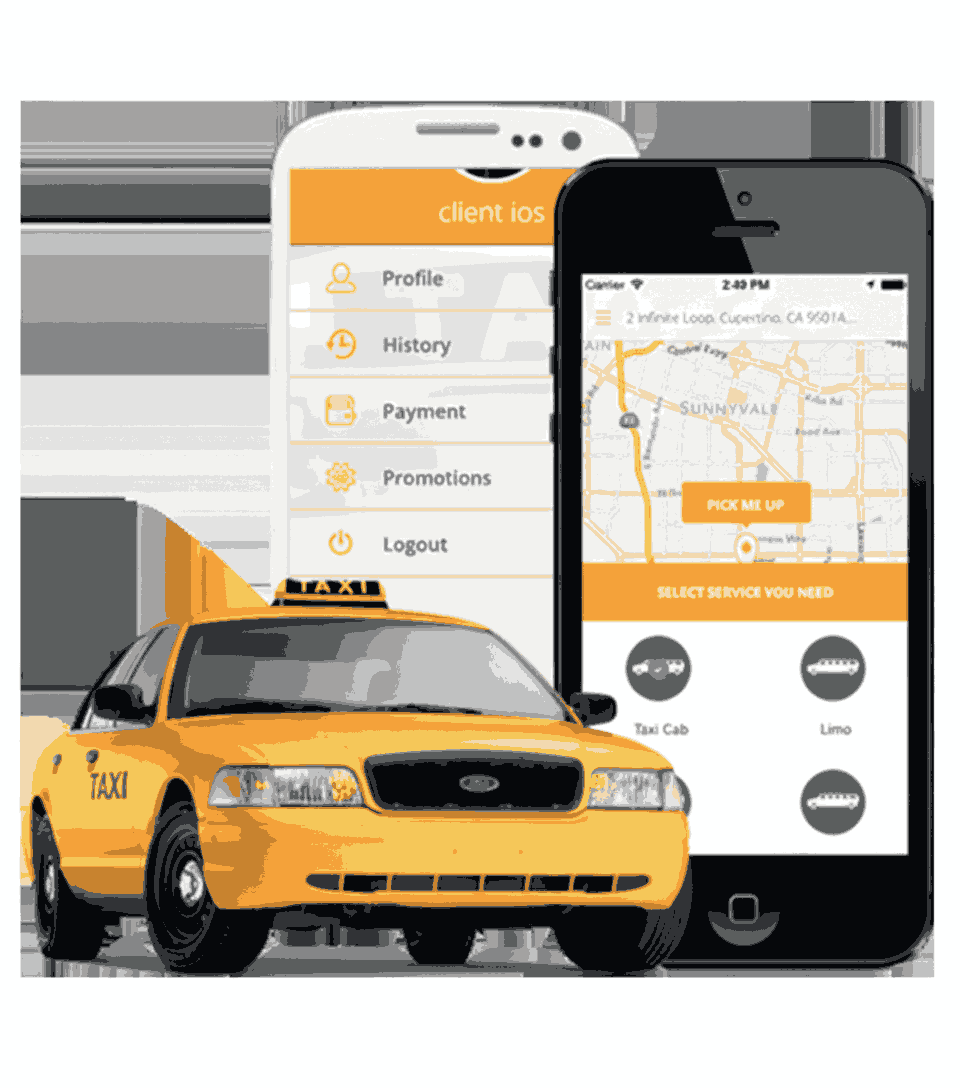
The global taxi app market is large and growing rapidly, estimated to be worth $250-360 billion in 2024 and expected to be over $600 billion by 2030 due to urbanization and smartphone usage. Major players like Uber dominate, but regional leaders like India’s Rapido are also in place, with strong demand for convenience driving expansion. For business owners, this growth opens up serious opportunities. The question is not whether to enter the market or not, but how to do it smartly with the right taxi booking app development services.
As a new hire at an app development company, I often talk to founders who are excited about launching the next Ola or Uber. But once we start discussing budgets, features, and schedules, reality starts to set in. Creating a smart taxi service app is more than just creating a booking screen. It’s about building an entire ecosystem. Let’s break it down in a clear and practical way so you understand where your investment is actually going.
Before you talk about the numbers, you need to understand why you’re paying. Smart cab applications generally have three main components. Rider app, driver app and admin panel. Each part requires separate design, development, testing and installation.
Think of it like building a hotel. The reception, guest rooms and administration office serve different purposes. When developing a taxi booking application, each panel must work independently while connecting in real time.
The passenger app handles booking, fare calculation, payments and trip tracking. The driver app handles trip requests, navigation and revenue. The admin dashboard controls fees, commissions, executive approvals and analytics. A professional taxi app development company ensures that the three parts communicate smoothly. Omitting or simplifying a component may reduce costs initially, but will also harm operations later.
Another important aspect of the architecture is the selection of the technology stack. Whether your app is natively for Android and iOS, or using a cross platform framework, directly impacts performance and cost. A qualified taxi app development company first evaluates the target audience. If most users are on Android, the strategy may differ from an iOS focused premium launch. Technical decisions made at this stage affect short term expenses and long term scalability.
A bunch of business owners underestimate the planning phase. This is where your business model is defined. Are you launching in one or more? You work with your own fleet or on board independent drivers. What commission structure will you follow?
Depending on the complexity of the research and strategy, it can cost between five and fifteen thousand dollars. This includes market analysis, competitor benchmarking and technical architecture design.
For example, when Ola expanded into new regions, it adapted pricing and operational incentives to local demand. This decision was strategic, not accidental. A reliable taxi app development company invests time in understanding the target audience before writing a single line of code.
Proper planning prevents costly retrofitting later on. In my experience, companies that rush into development often end up spending more money fixing bugs.
Design is not decoration. It’s a business strategy. A cluttered interface can immediately reduce the number of flight bookings. Studies show that users abandon apps within seconds if navigation is complicated.
A well designed cab service app requires wireframes, user journey mapping and interactive prototypes. This stage can cost anywhere from eight thousand to like fifty thousand dollars depending on the complexity of the application.
Think how seamless the Uber experience is when you book a ride. The whole experience is intuitive. This simplicity is intentional and built through professional taxi booking app development processes. Investing in design directly affects customer retention and appreciation.
User experience includes the small interactions that a bunch of founders overlook. For example a simple animation of the driver accepting the ride will reassure the passenger. Clear pricing details reduce disputes. While developing a taxi booking app even small design improvements can increase trust and app ratings. Higher ratings lead to more downloads that directly affects revenue growth.
Now we come to the basic technical costs. Rider and driver app development includes backend integration, real time GPS tracking, payment gateway setup, push notifications, and database management.
Basic app development can start around $30,000. However, if you add advanced features like multiple flight classes, as well as pricing, wallet integration, and multilingual support, the budget can exceed eighty thousand dollars.
A bunch of customers ask how much taxi app development costs at this stage. The honest answer depends on the services, the location of the development team, and the scalability requirements. A qualified taxi app development company will give you a detailed estimate, not vague numbers.
Another cost factor is third party integration. Payment gateways, SMS services, map APIS and notification services all involve licensing or usage fees. These recurring costs should be taken into account when calculating the total cost of Taxi application development. A professional taxi app development company provides transparency about outsourced service costs, so there are no surprises after the start.
The administration panel is the control room of your business. Like Manages drivers customers reports and pricing algorithms. A robust backend architecture ensures that the application does not crash during peak times.
Cloud service server setup database management and security layers are key components. Infrastructure expenses can range from like $50,000 to $25,000 during development.
When talking about scalability companies often compare the Uber app development cost. A global platform like Uber operates on a highly developed infrastructure that costs millions annually. While startups don’t need this scale at first, planning for growth from day one is crucial.
Data analysis tools are also part of the background investment. Business owners need real time reports on daily trips, driver performance cancellation rates and revenue trends. Without analytics decision making becomes a matter of guesswork. Powerful back-end systems created by experienced taxi app development providers help car owners adjust prices and promotions based on real data not assumptions.
In 2026, smart technology is not an option. Customers expect predictive pricing, route optimization and intelligent travel coordination. This is where AI in taxi app development becomes valuable.
Artificial intelligence can analyze traffic patterns and suggest the fastest routes. Based on proximity and previous reviews, it can match drivers with passengers. Adding AI modules can increase development costs by fifteen to like fifty percent, but in the long run it improves efficiency and lowers operating costs.
For example, dynamic pricing helps maximize revenue during high demand hours. A forward thinking taxi app development company will incorporate these features strategically, not as an afterthought.
Automation can reduce workload. Intelligent drivers qualification systems, automated document verification and AI based fraud detection increase the reliability of the platform. If artificial intelligence is thoughtfully introduced into the development of taxi applications, it will increase safety and efficiency. Although it increases initial costs, it reduces the cost of manual monitoring and improves customer confidence.
Launching without testing is like opening a taxi fleet without checking the engines. Quality assurance ensures that the application works on all devices and operating systems.
Security testing is just as important. Payment data and personal data must be encrypted. Regulatory compliance may vary by country or state.
Testing and compliance can cost between five and fifteen thousand dollars. Businesses that ignore this stage risk app crashes and negative reviews that are much more expensive to fix later. Professional taxi app development services always include structured testing cycles.
Development does not end with launch. Regular updates, bug fixes and feature updates are an ongoing cost. Annual maintenance typically costs fifteen to fifty percent of the initial development.
Marketing is another important investment. Working with drivers, referral programs and digital campaigns requires a separate budget. As Ola entered new markets, significant marketing spend supported rapid adoption.
Working with an experienced taxi app development company ensures that the app’s architecture supports easy updates and future integrations.
Analysis of customer feedback should also be part of the maintenance strategy. App store reviews highlight usability issues and feature requests. Regular updates based on comments keep users engaged. An experienced taxi app development company builds the system in a modular way, so new features like taxis or bike rentals can be added without having to rebuild the entire app.
Creating a smart taxi service application is a structured investment, not a random expenditure. Clear budgeting, feature planning, and scalability decisions determine long term profitability. Choosing the right on demand app development service partner will ensure that your idea becomes a sustainable platform rather than a short term experiment.
As someone who started my career in this field, I have found that business owners who understand the details of costs make stronger decisions. They are not chasing the cheapest prices. Instead, they value long term value, technical expertise, and growth potential when choosing taxi app development services.
The market is expanding rapidly, and the opportunities are real for those who plan wisely. Whether inspired by Uber or Ola, the key is smart execution and strategic investment. A trusted partner like Dev Story focuses on aligning technology and business goals. When strategy and execution come together, your niche can confidently compete in this growing industry.

© 2025 Crivva - Hosted by Airy Hosting Managed Website Hosting.