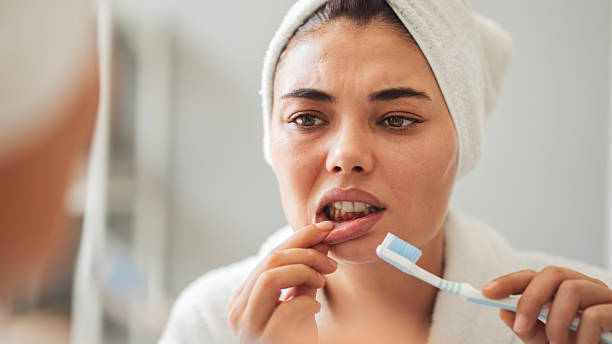
Teeth problems affect millions of people across the UK. You deal with them daily, often without noticing early signs. If you are exploring options like Invisalign Manchester, you already value both appearance and oral health. Straight teeth improve confidence, but deeper issues still need attention. You need to understand what causes problems and how to stop them early.
Tooth decay remains one of the most common dental issues in the UK. NHS data shows nearly 1 in 4 adults have untreated decay. Plaque builds when brushing and flossing are not done properly. Bacteria feed on sugar and release acid, which damages enamel. Over time, this leads to cavities. Gum disease also affects a large part of the population. Around 45 percent of UK adults show signs of it. Early gum disease causes red and bleeding gums. If ignored, it progresses and damages the bone, leading to tooth loss.
You often miss early warning signs. Small issues grow into serious problems when ignored. Tooth sensitivity is one of the first signs. You feel sharp pain when eating hot or cold food. Bad breath is another common issue. It often links to poor oral hygiene or gum disease. Bleeding gums, tooth pain, and visible spots on teeth also indicate problems. You should act early to avoid complex treatments later.
Crooked or crowded teeth affect both function and appearance. They trap food and make cleaning harder, which increases the risk of decay. Many adults now choose Invisalign Manchester for a discreet solution. Clear aligners gradually move teeth into the right position without metal braces. Invisalign Manchester also allows you to remove aligners while eating and cleaning, which improves hygiene. Despite these benefits, alignment treatment does not replace daily oral care.
Your daily routine plays a key role in oral health. Poor brushing leads to plaque buildup. Skipping floss leaves food between teeth, which feeds bacteria. High sugar intake increases acid attacks on enamel. Smoking damages gums and slows healing. You can reduce risk by brushing twice a day with fluoride toothpaste, flossing daily, and using mouthwash. Drinking water after meals helps wash away food particles and acids.
Your diet directly affects your teeth. Frequent snacking increases acid exposure. Each sugary snack triggers acid for about 20 minutes. If you snack often, your teeth face repeated damage. You should choose foods that support dental health. Cheese, yogurt, fresh vegetables, and nuts help protect teeth. Water is a better choice than fizzy drinks. Reducing sugar intake lowers your risk of decay.
Tooth erosion differs from decay. Acid from food and drinks wears down enamel without bacteria. Fizzy drinks, fruit juices, and wine are common causes. Even healthy foods like citrus fruits contribute when consumed often. Signs include yellowing teeth, smooth surfaces, and increased sensitivity. You can limit damage by rinsing your mouth with water after meals and waiting before brushing after acidic foods.
Children in the UK also face serious dental issues. Tooth decay is a leading cause of hospital admissions among children aged 6 to 10. This often results from sugary drinks and poor brushing habits. You should help children build strong routines early. Supervise brushing, avoid sugary snacks before bed, and ensure regular dental visits. Early habits shape long-term health.
Access to dental care remains a challenge in some areas. NHS dental services offer affordable treatment, but waiting times can be long. Many people delay visits, which leads to worse problems. Private care offers quicker access and more options. While treatments improve appearance and function, prevention remains the most cost-effective approach.
Stress affects your oral health more than you expect. Many people grind their teeth during sleep. This wears down enamel and causes jaw pain. You might not notice it until damage appears. Managing stress and using a night guard can reduce harm. Reducing caffeine intake also helps in some cases.
Regular dental check-ups help detect problems early. Your dentist checks for signs of decay, gum disease, and other issues. Professional cleaning removes plaque that brushing cannot. Most adults should visit the dentist every six months. Some people need more frequent visits based on their condition.
Modern dentistry in the UK offers more advanced solutions for complex teeth problems. Treatments now focus on precision, comfort, and long-term stability. Dental implants replace missing teeth with strong artificial roots fixed into the jawbone. Crowns protect damaged teeth and restore normal chewing. Root canal treatment saves infected teeth instead of removing them. These procedures help you avoid long-term complications and maintain oral function.
Many people damage their teeth through simple daily mistakes. Brushing too hard wears down enamel and exposes sensitive layers. Using a worn toothbrush reduces cleaning effectiveness. Skipping night brushing allows bacteria to grow for hours. You should avoid rinsing immediately after brushing because it removes fluoride protection. Small changes in technique improve results significantly.
Good oral health requires consistent attention throughout life. You cannot fix years of damage in a short time. You need steady habits and regular care. Pay attention to early symptoms and act quickly. Healthy teeth support clearer speech, better digestion, and stronger overall health. Maintaining oral hygiene daily reduces pain, cost, and long-term dental complications.
You can improve your oral health with simple actions. Replace your toothbrush every three months. Brush for at least two minutes each time. Keep floss visible to build a habit. Track your sugar intake and make small changes. Book dental appointments in advance to stay consistent.
Teeth problems develop over time. Your daily habits shape your long-term health. Good oral care reduces the need for complex treatments. It also supports your overall health. Poor oral health links to conditions like heart disease and diabetes. Taking care of your teeth protects more than your smile. Consistent care keeps your teeth strong, your gums healthy, and your dental visits stress-free.

© 2025 Crivva - Hosted by Airy Hosting Managed Website Hosting.