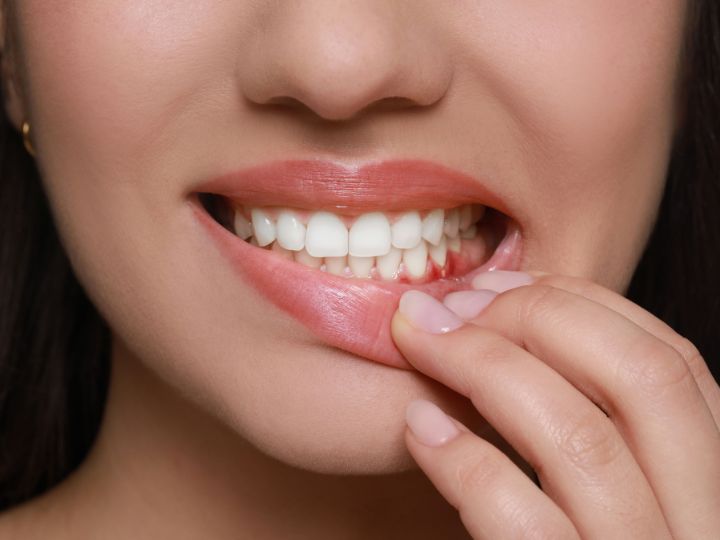
Discovering a hole in gum tissue can be alarming. Whether it appears after a tooth extraction, due to gum disease, injury, or infection, it’s not something to ignore. While some small openings in the gums can heal naturally with proper care, certain common mistakes can make the issue worse, delay healing, or even lead to complications such as infection or bone loss. Understanding what not to do is just as important as knowing the right treatment. Below, we explore the most frequent errors people make, how to avoid them, and steps to ensure proper healing.
One of the biggest mistakes is simply hoping the hole in gum will “sort itself out.” While minor gum irritation may resolve on its own, a visible hole could indicate:
Delaying a dental visit allows bacteria to accumulate in the opening, increasing the risk of infection. Early professional assessment can prevent a small issue from becoming a serious one. Even a seemingly minor hole can expose underlying bone or create a pocket where bacteria thrive. Therefore, ignoring the problem may lead to severe consequences, including the need for complex treatments such as gum grafts or root canal therapy.
It may seem logical to avoid brushing near a sore area, but neglecting oral hygiene can make a hole in gum significantly worse. Plaque and food debris easily collect in small openings, creating the perfect environment for bacterial growth.
However, there’s a balance. While you should keep the area clean, aggressive brushing can irritate the tissue further. Using a soft-bristled toothbrush and gentle circular motions helps remove plaque without damaging delicate tissue. Warm saltwater rinses can also be beneficial, reducing bacterial load and soothing inflamed gums.
Failing to maintain good oral hygiene can prolong healing, increase discomfort, and even contribute to worsening gum recession or infection. Daily care, even in a sensitive area, is essential to support recovery.
Many people turn to strong antiseptic mouthwashes, believing more is better. Unfortunately, excessive use of alcohol-based rinses can dry out and irritate the gum tissue, slowing recovery.
If you have a hole in gum tissue, your dentist may recommend a specific medicated rinse. Otherwise, mild saltwater solutions are often sufficient. Avoid self-prescribing powerful products without guidance. Overuse of harsh rinses may disrupt the natural bacterial balance in the mouth, potentially exacerbating infection or slowing the natural healing process.
It’s surprisingly common for people to explore the hole with their tongue, fingernail, or even a toothpick. This habit can:
Even if the area feels unusual, resist the temptation to touch it. Repeated irritation prevents proper clot formation and tissue repair. The healing process requires stability; any mechanical disruption can reset progress and increase discomfort. For those struggling with the urge to touch, using a soft rinse after meals and practising mindfulness may help reduce the impulse.
Smoking is one of the most damaging habits for gum health. Nicotine restricts blood flow to the gums, reducing oxygen and nutrient delivery essential for healing.
If you have a hole in gum tissue, continuing to smoke can:
Even reducing smoking during recovery can improve outcomes, though quitting altogether provides the greatest benefit. Vaping is not risk-free either; some e-liquids contain chemicals that irritate gum tissue, slowing recovery and potentially worsening the condition.
Crunchy, sharp, or sticky foods can irritate the area and force debris into the opening. Common culprits include:
These foods can lodge inside the hole and create further inflammation. Instead, choose soft foods such as yoghurt, mashed vegetables, scrambled eggs, or soups until the tissue improves. Temperature also matters. Extremely hot foods and drinks can disrupt healing tissue, so allow meals to cool slightly before consuming.
In addition, acidic or sugary foods should be minimised as they can feed bacteria and prolong healing. A diet rich in soft, nutrient-dense foods will help support tissue repair and overall oral health.
If the hole in gum tissue developed after a dental procedure, such as extraction or periodontal treatment, follow-up care is crucial. Missing review appointments means potential complications may go unnoticed.
For instance, if the opening exposes underlying bone or forms a periodontal pocket, professional intervention may be required to encourage proper closure. In some cases, minor surgical correction may be necessary to restore healthy gum contours. Even in routine cases, follow-up visits allow your dentist to monitor healing, provide professional cleaning, and give personalised advice for recovery.
Many people don’t realise that bite alignment plays a role in gum health. Excessive pressure on certain teeth due to misalignment can contribute to gum recession and tissue breakdown, potentially leading to spaces or openings.
If an improper bite is part of the issue, treatments such as overbite correction may be recommended. Correcting an overbite can redistribute biting forces more evenly, reducing trauma to the gum tissue and supporting long-term oral stability. Ignoring bite problems while treating only the visible hole may result in repeated damage and delayed healing.
The internet is full of DIY solutions, from clove oil to hydrogen peroxide rinses. While some remedies may offer temporary relief, others can irritate sensitive tissue.
Hydrogen peroxide, for example, can damage healing cells if used incorrectly or too frequently. Essential oils may cause burning sensations or allergic reactions. Always seek professional advice before applying any home treatment directly to a hole in gum tissue. Misguided home remedies can transform a minor problem into a more serious complication requiring intensive treatment.
Sometimes, a hole in gum is actually a periodontal pocket caused by gum disease. Treating the visible opening without addressing the underlying infection won’t solve the problem.
Signs of gum disease include:
Professional cleaning, scaling and root planing, or other periodontal therapies may be required to eliminate infection and promote healing. Identifying and treating the root cause of gum damage is crucial to prevent recurrence and further complications.
Your general health can influence gum healing. Conditions such as diabetes, immune disorders, or vitamin deficiencies can slow tissue repair and increase the risk of infection. Certain medications may also affect gum health.
If a hole in gum tissue is persistent, your dentist may recommend consulting with your GP to assess underlying factors. Addressing systemic health alongside dental care ensures a more effective and long-lasting recovery.
Contact a dentist promptly if you notice:
These symptoms may indicate a spreading infection that requires urgent care. Prompt intervention can prevent serious complications, including tooth loss or bone infection.
A hole in gum tissue can range from a minor irritation to a sign of serious dental disease. Unfortunately, common mistakes such as ignoring the issue, practising poor oral hygiene, smoking, poking the area, eating unsuitable foods, skipping dental visits, or relying on home remedies can make the condition significantly worse. Addressing contributing factors, including bite misalignment and seeking overbite correction where necessary, may also play an important role in preventing recurring gum damage. Treating only the visible problem without correcting underlying causes can lead to repeated issues and prolonged healing. With gentle care, proper oral hygiene, a soft diet, professional guidance, and timely intervention, most gum issues can heal effectively. Acting early is the key to protecting your oral health, preventing complications, and ensuring your gums remain healthy for years to come.

© 2025 Crivva - Hosted by Airy Hosting Managed Website Hosting.