Engagement rings have evolved over time, with more people exploring alternatives that align with their values and preferences. One option that has gained attention is the
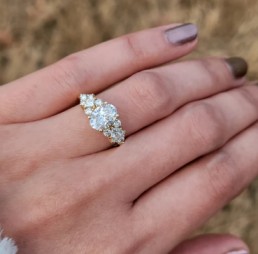
lab grown diamond engagement ring, which offers the same visual appeal as traditional diamonds while being created in a controlled environment.
Understanding how these diamonds are made and what to consider before choosing one can help you make a more informed decision.
Just like natural diamonds, lab grown diamonds are graded using the internationally recognized 4Cs: cut, color, clarity, and carat weight. These factors determine the overall quality and appearance of the diamond.
- Cut is perhaps the most important element, as it influences how light reflects within the diamond. A well-cut diamond will appear more brilliant and lively.
- Color refers to how colorless the diamond is. The less color present, the higher the grade, with completely colorless stones being the most valued.
- Clarity measures the presence of internal or external imperfections, known as inclusions and blemishes. Fewer imperfections generally result in a clearer and more desirable diamond.
- Carat indicates the weight and size of the diamond. Larger diamonds are often more visually impactful but should be balanced with the other factors.
Achieving the right balance among these four characteristics ensures that the diamond not only looks beautiful but also offers good value.
What Is a Lab Grown Diamond?
A lab grown diamond is created using advanced technology that replicates the natural process of diamond formation. Instead of forming deep within the earth over millions of years, these diamonds are produced in laboratories under high pressure and temperature conditions.
Despite the difference in origin, they share the same physical, chemical, and optical properties as natural diamonds. This means they look and perform the same in terms of durability and brilliance.
For many buyers, the main difference lies in how the diamond is sourced rather than how it appears.
Practical Considerations Before Buying
While visual appeal is important, practicality should not be overlooked when choosing an engagement ring. Since the ring is intended for daily wear, comfort and durability are essential.
Certain settings, such as those with high prongs or intricate designs, may be more prone to snagging or damage. A secure and well-constructed setting can help protect the diamond and extend the lifespan of the ring.
It’s also wise to consider lifestyle factors. Someone with an active routine may benefit from a lower-profile setting that reduces the risk of impact.
Maintenance is another key aspect. Regular cleaning helps maintain the diamond’s sparkle, while occasional professional inspections can ensure that the setting remains secure.
Why Lab Grown Diamonds Are Becoming Popular
The rise in popularity of lab grown diamonds is largely due to changing consumer preferences. People are becoming more conscious of how products are made and are looking for options that feel more transparent.
These diamonds often provide greater flexibility in terms of size and quality within a given budget. This allows buyers to focus on design and personal preference without compromising on visual appeal.
Additionally, the availability of these diamonds has increased significantly, making them more accessible than before.
Understanding Quality: The 4Cs Still Matter
Even though they are created in a lab, the quality of these diamonds is still evaluated using the same standards as natural ones. The 4Cs—cut, color, clarity, and carat remain essential factors.
Cut determines how well the diamond reflects light, which directly affects its sparkle. Color refers to the absence of tint, while clarity measures internal imperfections. Carat indicates the size of the diamond.
Balancing these elements is important to achieve a ring that looks both beautiful and well-proportioned.
Choosing the Right Ring Setting
The setting plays a significant role in how the diamond is presented. A solitaire setting highlights the stone, making it the main focus of the ring. Halo settings add extra brilliance by surrounding the center stone with smaller diamonds.
Three-stone designs can add symbolic meaning, often representing different stages of a relationship. The choice of setting should reflect both personal style and practical needs.
A well-chosen setting enhances the overall appearance without overpowering the diamond itself.
Metal Options and Their Influence on Design
The metal used in the band can change the overall look of the ring. White metals such as platinum or white gold tend to enhance the brightness of the diamond, creating a modern and clean appearance.
Yellow gold offers a classic contrast, while rose gold adds a softer, more romantic tone. Each option has its own character, and the choice often depends on personal taste.
It’s also important to consider durability, as some metals may require more maintenance over time.
Practical Considerations Before Buying
While aesthetics are important, practicality should not be overlooked. The ring should be comfortable enough for daily wear and durable enough to withstand regular use.
Certain designs may be more prone to damage or require more care. Choosing a setting that protects the diamond can help maintain its condition over time.
It’s also useful to think about long-term maintenance, including cleaning and occasional adjustments.
Common Misconceptions About Lab Grown Diamonds
There are still some misconceptions surrounding lab grown diamonds. One common belief is that they are not “real,” but in reality, they have the same properties as natural diamonds.
Another misunderstanding is that they lack value or durability, which is not the case. They are just as hard and resistant to wear, making them suitable for everyday use.
Clarifying these points can help remove confusion and make the decision process easier.
Common Misconceptions About Lab Grown Diamonds
Despite their increasing acceptance, lab grown diamonds are still surrounded by some misconceptions. One of the most common is the belief that they are not “real” diamonds. In reality, they are identical to natural diamonds in every scientific sense.
Another misunderstanding is that they are less durable. However, lab grown diamonds rank the same on the Mohs hardness scale, making them just as resistant to scratches and suitable for everyday wear.
Some also assume that these diamonds lack value. While their resale market may differ from natural diamonds, their intrinsic quality and beauty remain unchanged.
Addressing these misconceptions can help buyers make decisions based on accurate information rather than outdated assumptions.
Final Thoughts on Choosing the Right Ring
Selecting a lab grown diamond engagement ring is about finding a balance between style, quality, and personal values. These rings offer a modern approach to a traditional symbol, without compromising on beauty or durability.
By understanding the key factors involved, you can choose a ring that feels meaningful and well-suited to your preferences, ensuring it remains special for years to come.