This is a question I hear all the time. From friends grabbing coffee, complaining about thinning edges. From customers scrolling my shop, nervous to hit “buy.” From women in my DMs at 2 a.m., panicking after finding clumps of hair on their wig caps. Can wigs cause hair loss? Short answer: yes… but also no. It really depends on how you wear them—on the shortcuts you take, the tension you put on your scalp, and whether you prioritize your hair’s health over a “perfect” install.
As a Black woman, wigs have been part of my life for years. They saved me time on mornings when I had to rush the kids to school and make it to work on time. They saved my edges on bad days when my natural curls were frizzy, unruly, and impossible to style. They let me rock bold lengths and colors without frying my real hair with heat or chemicals. But if I’m being honest, I’ve also made mistakes. Big ones—mistakes that left me staring in the mirror, wondering if my edges would ever grow back. So let’s break this down, real talk, no filters, no sugarcoating.
How Wigs Can Cause Hair Loss
Wigs themselves are not the enemy. They’re just a tool—like a curling iron or a hairbrush. It’s the habits that sneak up on us, the ones we think are harmless until we start seeing damage. These habits are easy to fall into, especially when we’re busy or fixated on looking put-together.
1. Too much tension
Tight braids under wigs. Tight elastic bands pulled so hard they leave red marks on your scalp. Tight combs digging into your hairline, snagging delicate baby hairs. I’ve been there, sis. I used to braid my hair super tight because I wanted that “flat lay” base—no lumps, no bumps, just a smooth canvas for my lace wig. It looked good in selfies, but my scalp? Not happy. After a few weeks, my edges started whispering for help—thin, wispy strands that broke off when I brushed them, a visible gap along my temples. Tension over time can cause traction alopecia, a type of hair loss that hits Black women hard because of how we often style our hair. And once edges are gone, baby… they don’t always come back. Trust me, I’ve spent months slathering on edge control and scalp oils, begging my hair to grow back.
2. No breaks, ever
Wearing wigs every single day. Sleeping in them, tossing and turning all night while the wig rubs against your scalp. Working out in them, sweating through the fibers and trapping heat against your head. No rest. No air. No love for your natural hair. I once wore a full wig for almost three weeks straight—no deep wash, no scalp massage, no days off. I thought I was winning, rocking a flawless look without lifting a finger. Turns out, I was doing too much. When I finally took the wig off, my hair felt dry, weak, and tired—just like me. It was brittle to the touch, and I lost handfuls when I combed it. That’s when I realized: my hair needs breaks, just like I do.
3. Dry scalp under the wig
Out of sight, out of mind, right? Wrong. So many of us slap on a wig and forget about the hair underneath—skip moisturizer, skip oil, skip detangling. But wigs, especially cheap ones with non-breathable caps, trap dryness against your scalp. Dry hair breaks. Period. No debate. I learned this the hard way when I started getting tiny, itchy bumps on my scalp and noticing more breakage than usual. My natural hair was crying out for moisture, and I was ignoring it because I couldn’t see it.
How Wigs Don’t Cause Hair Loss
Now here’s the other side—the good news. Wigs can actually protect your hair when worn the right way. They shield your natural strands from harsh weather, heat styling, and daily manipulation that causes breakage. That’s when I changed my approach. I stopped chasing super tight installs that left me in pain. I stopped gluing everything down like my life depended on it. I started choosing wigs that work with my hair, not against it. And that’s where
wear and go wigs changed the game for me.
Why Wear and Go Wigs Are a Safer Choice
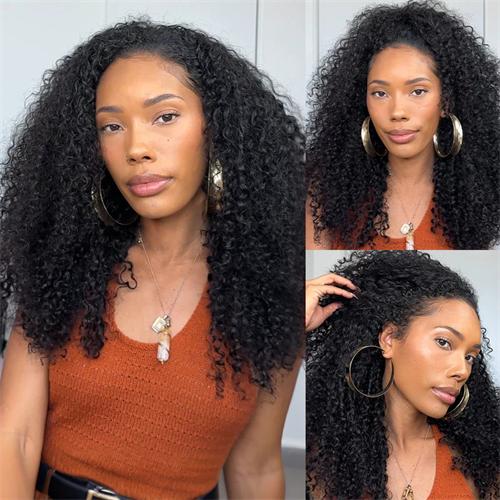
Wear and go wigs are exactly what they sound like. Put it on. Adjust it. Go. No heavy glue that rips out your edges. No long, tedious installs that take hours. No stress. One of my personal favorites is the wear and go wigs series
kinky curly half wig. And let me tell you why it’s been a staple in my collection.
1. Less tension, more peace
A kinky curly half wig blends with your natural texture—no fighting, no forcing. I leave a small part of my real hair out, slather it with leave-in conditioner and oil, and let it blend seamlessly with the wig. That means less pulling, less stretching, and way less tension on my hairline. It’s like giving my edges a vacation while still looking fly.
2. Easy on the edges
Half wigs don’t sit directly on your hairline like lace wigs do—they sit further back, so your baby hairs and edges are spared from friction and glue. That alone saved my edges. I’m not exaggerating. After months of tight installs, my edges were thin and fragile. Once I switched to this half wig, I stopped putting stress on that delicate area, and slowly but surely, my baby hairs started acting right again.
3. Breathable and lightweight
Kinky curly half wigs feel airy—no heavy, stiff fibers weighing down your head. The cap is made with breathable material, so even on hot summer days, my scalp doesn’t get sweaty and itchy. I can wear it all day, run errands, hang out with friends, and even dance at a cookout without feeling uncomfortable. Breathing matters for your scalp, and this wig gets that.
My Personal Turning Point
I remember one morning clearly—brushing my edges gently, like I’d started doing after my first scare, and seeing more hair than usual on the brush. My heart dropped. I leaned in close to the mirror, and there it was: a thin patch along my temple that I couldn’t cover with baby hairs. I said, “Nah, this ain’t it.” That was my wake-up call. I switched to looser braids (or no braids at all) underneath my wigs. I moisturized my hair and scalp before every install. I started rotating wigs instead of wearing the same one nonstop. And I leaned into half wigs, especially kinky curly textures that matched my own hair. Slowly, my hair bounced back. Not overnight—healing takes time. But after a few months, I noticed less breakage, and my edges grew in thicker.
How to Wear Wigs Without Losing Hair
Here’s what I swear by now—simple habits that don’t cost extra time or money, just intention: Moisturize your hair with leave-in conditioner and oil before wearing a wig. Avoid super tight braids or ponytails underneath—keep your base loose. Give your scalp rest days, going wig-free to let your hair breathe and your scalp get some sun. Clean your scalp regularly, even when you’re wearing wigs often. Be gentle with your edges—don’t pull, don’t over-gel, don’t use harsh glue. Choose beginner-friendly wigs, like wear and go wigs. It’s really that simple. No fancy routine. No stress.
So… Can Wigs Cause Hair Loss? Yes, if worn the wrong way—with too much tension, no breaks, and no care for your natural hair. No, if worn with care, intention, and the right styles. Wigs are tools. Not villains. They can either protect your hair or slowly damage it. The choice is in how you use them.
For me, switching to the wear and go wigs series kinky curly half wig was a game changer. Easy. Natural. No drama. And most importantly, my real hair stayed healthy underneath. Because at the end of the day, wigs should make life easier. Not take your edges with them. And if your wig routine is stressing you out, leaving your scalp sore, or making you fear hair loss? Sis… it’s time to switch it up. Your crown is worth protecting, and there’s no shame in choosing styles that love your hair as much as you do.