


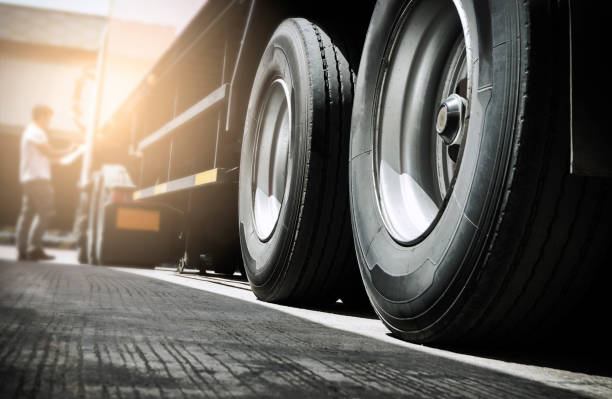
Brazil Truck Tire operations are closely tied to the country’s heavy reliance on road transportation for domestic cargo movement. From agricultural corridors to industrial supply routes, long-distance trucking remains central to how goods reach ports, warehouses, retail centers, and regional markets. Because trucks often travel across varied climates and road surfaces, tire performance has become an important factor in fleet uptime, fuel efficiency, and cargo reliability. Understanding how this segment supports daily logistics activity offers useful perspective for transport operators, suppliers, and infrastructure planners.
Brazil has one of the largest road freight networks in Latin America, and trucking plays a major role in connecting inland production zones with coastal export hubs. Soybeans, meat products, construction materials, machinery, fuel, and consumer goods frequently move over long distances. In many cases, routes can stretch hundreds or even thousands of kilometers, placing continuous stress on commercial vehicles.
Under these conditions, truck tires do more than provide mobility. They influence braking stability, road grip, steering control, load-bearing capability, and resistance to heat buildup. When tire performance weakens, fleets may face breakdowns, delays, damaged cargo, or higher maintenance costs. This makes tire selection a strategic decision rather than a routine replacement task.
For transport operators working on narrow delivery windows, dependable tire quality can help reduce unplanned stops and improve route consistency. In a country where logistics timing often affects exports and domestic distribution, this operational value remains significant.
Truck tire demand in Brazil is often linked to freight volumes, fleet utilization rates, and replacement cycles. When cargo movement rises, commercial fleets typically record higher mileage, which can accelerate wear and increase replacement needs. Seasonal agricultural harvests may also raise demand as heavy vehicles operate intensively during transport peaks.
According to a study by MarkNtel Advisors, the Brazil Truck Tire Market is expected to witness notable expansion during the forecast period, supported by freight transportation requirements, fleet renewal activity, and ongoing logistics demand. This reflects how essential the replacement tire segment is within the broader commercial vehicle ecosystem.
Operators increasingly evaluate tread life, rolling resistance, durability, and retread compatibility before purchasing. Instead of focusing only on upfront cost, many fleets now assess lifecycle value, especially where vehicles cover extensive long-haul distances every month.
Fuel is commonly one of the largest operating costs for long-haul trucking fleets. Because tire rolling resistance can influence how much energy a truck requires to move, tire efficiency has become an area of practical interest. Well-maintained tires with suitable pressure levels may support smoother movement and more consistent fuel consumption.
Fleet managers often use tire monitoring programs that track pressure, tread depth, and wear patterns. These measures can extend usable life while reducing irregular degradation caused by alignment issues or overloading. As route economics tighten, such operational discipline can provide measurable value over time.
Modern truck tire designs may also include compounds engineered for durability and lower heat generation, particularly useful for prolonged highway driving in warmer climates.
Road freight efficiency remains a global logistics priority. According to International Energy Agency, improvements in heavy-duty vehicle efficiency can contribute to lower fuel use and more sustainable freight operations.
Brazil’s geography creates different operating demands depending on route location. Southern corridors with strong industrial output may emphasize highway durability and high-mileage performance. Agricultural regions in the Midwest often require heavy-load endurance during harvest logistics. Northern and remote areas may place greater stress on tires where infrastructure conditions vary.
Rainfall, temperature shifts, road surface quality, and axle loads can all affect tire wear. Fleets moving between multiple regions may need mixed tire strategies rather than one universal specification. Some operators prioritize traction and casing strength, while others emphasize mileage and retread cycles.
Port-linked transport corridors are also important, especially for export commodities moving toward terminals. Tire reliability on these routes can influence turnaround times and delivery schedules.
Brazil’s transport system continues to rely heavily on highways for cargo flows. According to the World Bank, transport infrastructure quality remains a key factor in national logistics competitiveness and trade connectivity.
Retreading has long been relevant in truck transport because commercial tires are high-value assets. When a casing remains structurally sound, retreading can extend service life and lower total ownership costs. This is particularly valuable for fleets operating large vehicle counts or recurring regional routes.
Brazil has an established commercial transport base where retread adoption can align with cost management goals. Many fleet buyers therefore assess casing quality at the time of first purchase, not only tread performance. A tire capable of multiple life cycles may offer stronger long-term economics than a lower-cost alternative with limited reuse potential.
However, retreading success depends on maintenance standards, load control, inflation discipline, and inspection quality. Poor operating practices can reduce casing usability and increase safety risks.
Commercial tire lifecycle management is widely recognized as an efficiency lever. According to the U.S. Tire Manufacturers Association, proper tire care and retread practices can support cost efficiency and resource optimization in fleet operations.
Digital fleet tools are reshaping how operators manage tires across long-haul routes. Telematics systems can combine mileage data, maintenance alerts, and tire inspections into centralized dashboards. This allows transport companies to identify underinflation, uneven wear, or replacement timing before roadside failures occur.
Some fleets also use predictive maintenance models to coordinate tire servicing with scheduled vehicle downtime. This reduces disruption while improving workshop planning. As competition rises in freight transport, operational visibility can be as important as the tire product itself.
Manufacturers are responding with improved compounds, stronger casings, and products designed for specific haul types such as regional delivery, mixed service, or highway freight. This segmentation may continue as buyers seek route-specific performance rather than generic options.
The Brazil truck tire space includes multinational and regional participants serving OEM and replacement demand. Competition often centers on durability, nationwide dealer support, retread compatibility, pricing structure, and aftersales service. Fleet contracts can be especially valuable because they create recurring replacement demand over time.
Companies active in the broader segment include Bridgestone, Michelin, Goodyear, Continental, Pirelli, Yokohama, and other commercial tire suppliers depending on product category and channel presence. Import dynamics and local manufacturing capacity may also influence pricing and availability.
Distributors, service workshops, and roadside support networks remain important because truck fleets typically value rapid service access across multiple transport corridors.
Despite positive logistics fundamentals, several factors may affect future purchasing patterns. Currency movements can influence imported raw material costs. Economic slowdowns may reduce freight volumes temporarily. Higher financing costs can delay fleet renewal plans, extending replacement cycles for some operators.
Road quality also remains a practical issue. Poor surfaces can accelerate tire wear, suspension damage, and maintenance costs. In addition, counterfeit or low-quality products can create risk for buyers focused only on low upfront pricing.
Environmental expectations may also rise over time, encouraging interest in lower rolling resistance products, recycling programs, and more efficient retread systems.
Even with these pressures, the structural importance of road cargo movement suggests ongoing relevance for truck tires in Brazil’s logistics system.
Brazil Truck Tire demand reflects the essential role of road freight in connecting production centers, ports, retailers, and consumers across a large national territory. For long-haul cargo operators, tires influence safety, fuel use, uptime, and total fleet efficiency on a daily basis. As logistics networks modernize and route demands evolve, purchasing decisions may increasingly prioritize lifecycle value, digital monitoring, and route-specific performance. This suggests truck tires will remain a strategic operational component of Brazil’s commercial transport ecosystem in the years ahead.

© 2025 Crivva - Hosted by Airy Hosting Managed Website Hosting.