Ageing skin doesn’t happen overnight—it creeps in slowly through fine lines, dullness, and loss of firmness. Like most people, I was confused about what actually works better: Botox or anti-ageing facials. To get clarity, I asked my dermatologist, Dr. Geetika Srivastava, an experienced dermatologist trained at AIIMS, who regularly treats patients struggling with early and visible signs of ageing. Her answer was simple yet reassuring—the right treatment depends entirely on what your skin actually needs, not what’s trending online.
If you’re noticing forehead lines, crow’s feet, or frown lines that appear even when your face is at rest, you’ve probably wondered whether botox for face is the right solution—or if non-invasive options can still help. Botox has become one of the most talked-about anti-ageing treatments, but it’s often misunderstood and compared unfairly with regular facial treatments.
On the other hand, many people swear by a good facial for glowing skin, especially when their concern is dullness, dehydration, or early ageing signs. Facials promise instant radiance and relaxation—but can they really compete with injectables like Botox when it comes to long-term anti-ageing results?
Let’s break this down clearly and honestly.
Why Does Skin Age in the First Place?
Skin ageing is influenced by both internal and external factors. As we age, collagen and elastin production slows down, leading to loss of firmness. Repeated facial expressions cause dynamic wrinkles, while sun exposure, pollution, stress, and lifestyle habits accelerate premature ageing.
This is why no single treatment works for everyone, and why comparing Botox and anti-ageing facials without context can be misleading.
What Are Anti-Ageing Facials?
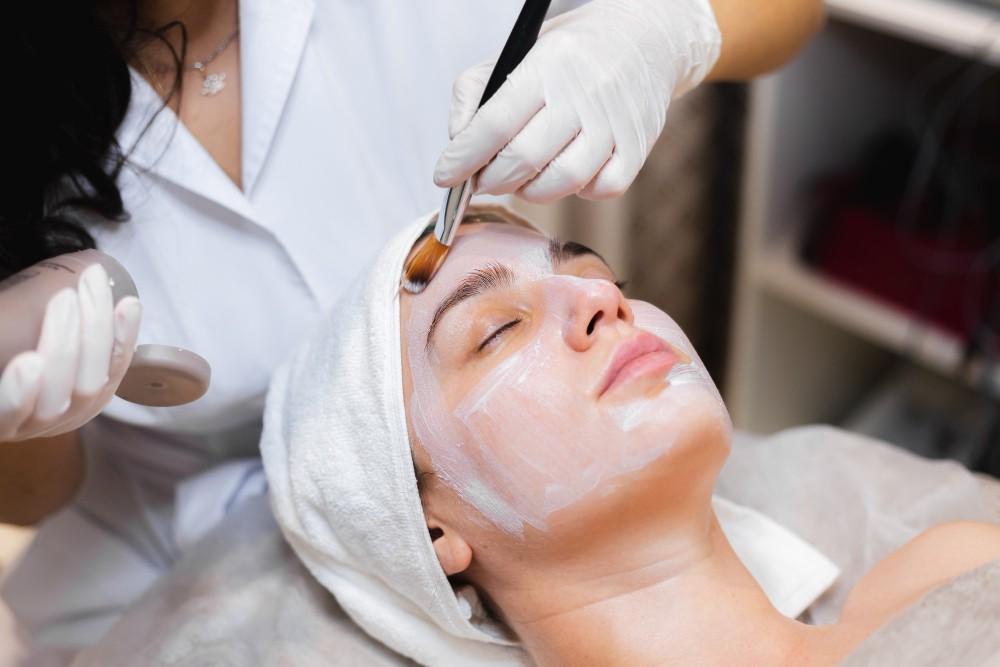
Anti-ageing facials are non-invasive skin treatments designed to improve skin texture, hydration, brightness, and mild fine lines. Depending on your skin type and concern, these may include:
-
Hydration or oxygen facials
-
Collagen-boosting facials
-
Chemical peel–based facials
-
Radiofrequency or skin-tightening facials
What Anti-Ageing Facials Are Best For:
They work primarily on the surface and mid-layers of the skin, improving skin quality rather than muscle-related wrinkles.
What Is Botox and How Does It Work?
Botox is a medical aesthetic treatment that relaxes specific facial muscles responsible for expression lines. Unlike facials, Botox works at the muscle level, making it highly effective for dynamic wrinkles.
Common Areas Treated with Botox:
Botox doesn’t freeze your face when done correctly—it simply softens overactive muscle movement, giving the face a smoother and more rested appearance.
Botox vs Anti-Ageing Facials: Key Differences
1. Depth of Action
2. Type of Results
-
Facials: Glow, hydration, skin freshness
-
Botox: Visible reduction in expression lines
3. Longevity
4. Ideal Age Group
Which Gives Better Results? The Honest Answer
There is no “better” treatment—only the right treatment.
Anti-Ageing Facials Are Enough If:
-
Your main concern is dullness or dehydration
-
Fine lines are visible only on close inspection
-
You want maintenance and prevention
-
You’re not ready for injectables
Botox Gives Better Results If:
-
Lines are visible even when your face is relaxed
-
You have deep forehead or frown lines
-
Facials no longer improve wrinkles
-
You want longer-lasting anti-ageing results
According to dermatologists like Dr. Geetika Srivastava, many patients delay Botox hoping facials will reverse deep wrinkles—when in reality, facials simply aren’t designed for that level of correction.
Can Botox and Anti-Ageing Facials Be Combined?
Absolutely—and this is often where the best results come from.
Botox relaxes wrinkle-causing muscles, while facials improve skin texture, glow, and hydration. When planned correctly by a dermatologist, this combination delivers natural, balanced, and long-term anti-ageing results.
Safety Matters More Than the Treatment Choice
Whether you’re considering Botox or facials, professional assessment is non-negotiable. Overdoing Botox or choosing random facials without understanding your skin can lead to poor outcomes.
A dermatologist-led approach ensures:
This is why expert guidance—especially from experienced dermatologists trained at institutes like AIIMS—makes a significant difference.
Botox vs Anti-Ageing Facials: Quick FAQs
Is Botox better than facials for wrinkles?
Yes, for expression lines. Facials cannot relax muscles.
Can facials replace Botox?
No. They serve different purposes.
At what age should I start Botox?
There’s no fixed age—it depends on muscle activity and skin condition.
Are facials still useful after Botox?
Yes, they enhance glow and maintain overall skin quality.
Final Thoughts: Choose What Your Skin Needs, Not What’s Trending
Botox and anti-ageing facials are not competitors—they’re tools. The real key to youthful, glowing skin lies in personalized dermatological care, not guesswork.
If you’re unsure which path is right for you, a proper consultation with an experienced dermatologist can save you time, money, and disappointment—while helping your skin age gracefully and naturally.
Frequently Asked Questions (FAQs)
1. Is Botox better than anti-ageing facials?
Botox is more effective for treating expression-related wrinkles like forehead lines, frown lines, and crow’s feet. Anti-ageing facials, on the other hand, improve skin glow, hydration, and texture. The better option depends on whether your concern is wrinkles or overall skin quality.
2. Can anti-ageing facials remove wrinkles permanently?
No. Anti-ageing facials can soften fine lines temporarily by improving hydration and collagen stimulation, but they cannot permanently remove wrinkles—especially those caused by repeated facial muscle movement.
3. At what age should I consider Botox for the face?
There is no fixed age. Many people consider Botox for face in their early 30s when expression lines start becoming visible at rest. Some also opt for preventive Botox earlier based on muscle activity.
4. Is a facial for glowing skin enough for anti-ageing?
A facial for glowing skin is ideal for early ageing signs, dullness, and dehydration. However, once wrinkles become deeper or static, facials alone may not deliver noticeable anti-ageing results.
5. How long do Botox results last compared to facials?
Botox results typically last 3 to 6 months, while the effects of most anti-ageing facials last a few days to a few weeks, depending on skin type and maintenance.
6. Can Botox and anti-ageing facials be done together?
Yes. When planned by a dermatologist, combining Botox with anti-ageing facials can deliver better and more balanced results—Botox treats wrinkles, while facials enhance glow and skin health.
7. Does Botox make the face look frozen?
No, when administered by an experienced dermatologist, Botox provides natural-looking results. Overdone or improperly placed Botox is usually the reason behind a frozen appearance.
8. Are anti-ageing facials safe for sensitive skin?
Most anti-ageing facials can be customized for sensitive skin, but not all treatments suit everyone. A dermatologist assessment is important to avoid irritation or breakouts.
9. Which is more cost-effective: Botox or facials?
Facials may seem more affordable initially, but require frequent sessions. Botox costs more per session but lasts longer. Cost-effectiveness depends on your skin concern and treatment goals.
10. How do I know whether I need Botox or just facials?
If your concern is glow, dullness, or early fine lines, facials may be enough. If you notice visible lines even when your face is relaxed, Botox is likely the better option. A dermatologist consultation is the best way to decide.
11. Can regular facials delay the need for Botox?
Yes, consistent professional facials combined with good skincare can delay visible ageing, but they cannot completely prevent muscle-related wrinkles.
12. Is Botox safe for long-term use?
Yes. Botox is FDA-approved and considered safe when administered at proper intervals by a qualified dermatologist.