


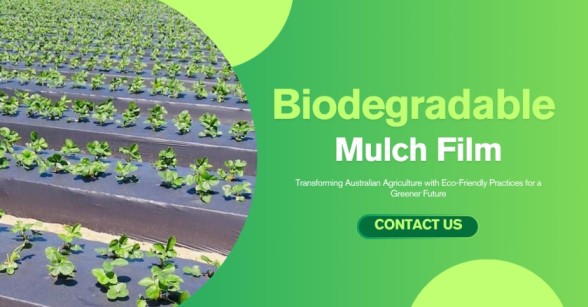
The agricultural sector in Australia, like the rest of the world, is facing numerous challenges driven by climate change, soil degradation, and an increasing need for sustainable practices. As the demand for more eco-friendly farming solutions grows, innovative techniques and materials are being adopted to mitigate environmental impacts. One such promising solution is biodegradable mulch film, a material that is gaining popularity in Australian farming as part of a broader push toward sustainable agriculture in Australia.
Mulch films are thin layers of material used to cover the soil around crops, providing a range of benefits. Traditionally, these films were made from plastics, which helped retain moisture, control weeds, and regulate soil temperature, ultimately improving crop yield and efficiency. However, the use of plastic mulch has come under scrutiny due to its environmental impact. When plastic mulch is not properly disposed of, it can lead to pollution and soil contamination, a growing concern in modern agriculture.
The shift towards biodegradable films represents a breakthrough in addressing these issues while still providing the benefits of traditional mulch. These films are made from renewable and organic materials such as cornstarch, polylactic acid (PLA), and polybutylene adipate terephthalate (PBAT), which naturally break down over time and return to the environment without leaving harmful residues.
A biodegradable film is an innovative agricultural material designed to perform similar functions to plastic mulch but with the added benefit of being environmentally friendly. Unlike conventional plastic mulch that can persist in the soil for years, biodegradable films decompose naturally over time, leaving no harmful waste behind.
These films are typically made from plant-based materials such as starch, PLA, or PBAT, which break down through natural processes involving soil microbes. The biodegradability of these materials depends on various factors, including soil temperature, moisture, and microbial activity. In ideal conditions, these films can decompose in a few months to a year, returning valuable organic matter to the soil.
The adoption of biodegradable films offers several advantages over traditional plastic mulch, particularly in the context of sustainable farming in Australia. One of the primary benefits is the reduction in plastic waste. With plastic mulch, farmers often face the daunting task of collecting and disposing of the material after the growing season. This not only creates additional labour costs but also contributes to environmental pollution. In contrast, biodegradable films eliminate the need for disposal, as they decompose into harmless byproducts.
Additionally, these films promote healthier soil. By preventing soil erosion, improving water retention, and maintaining consistent soil temperature, these mulch films contribute to better crop growth. This is especially beneficial in Australia, where water scarcity is a pressing issue. Mulch films help conserve soil moisture, reducing the need for frequent irrigation and lowering water consumption—a critical consideration for sustainable farming.
Another notable benefit of biodegradable films is their ability to enhance crop yields. The consistent moisture and temperature regulation fostered by the mulch help crops grow more efficiently, resulting in healthier plants and higher yields. This can be especially valuable for farmers in regions with fluctuating weather patterns, as the film helps stabilise soil conditions and protect crops from extreme temperatures.
The concept of sustainable farming revolves around adopting farming practices that are environmentally responsible, economically viable, and socially beneficial. These mulch films align perfectly with these principles, offering a sustainable solution that reduces the environmental footprint of agricultural practices while enhancing productivity.
Australia has long been a leader in adopting agricultural innovations, and many Australian farmers are beginning to embrace the use of biodegradable films as part of their sustainability strategies. Various studies and trials have demonstrated that these films perform effectively in Australian climates, particularly in regions with hot, dry conditions where water conservation is paramount.
One example of this shift is the adoption of these films in horticulture, particularly in vegetable production. Crops such as tomatoes, cucumbers, and strawberries, which benefit from the moisture retention and weed control provided by mulch, are seeing positive results with biodegradable alternatives. By switching to biodegradable mulch, Australian farmers can reduce their reliance on plastic while still achieving high yields and protecting the environment.
Moreover, Australia’s government has increasingly recognised the importance of sustainable farming practices. The introduction of policies and incentives supporting the adoption of eco-friendly technologies, including mulch films, is helping to accelerate the transition towards more sustainable agricultural methods. As farmers become more aware of the long-term environmental and economic benefits of biodegradable alternatives, the use of these films is expected to grow in the coming years.
Despite their numerous advantages, mulch films do have some challenges. One of the primary barriers to widespread adoption is the initial cost. These mulch films are typically more expensive than their plastic counterparts, which can be a deterrent for farmers, particularly those on a tight budget. However, as demand for these films increases and production processes become more streamlined, it is likely that prices will decrease over time.
Another challenge is the variability of performance under different environmental conditions. While biodegradable films can decompose effectively in optimal conditions, extreme weather events such as heavy rainfall or drought may affect their breakdown rate. In some cases, these films may not decompose as efficiently, potentially leading to partial residue in the soil.
Finally, while these mulch films are a significant step forward, it is important to recognise that they are not a panacea for all environmental issues in agriculture. Their successful adoption requires farmers to consider factors such as the specific crop being grown, soil type, and climate conditions to determine if biodegradable mulch is the best option.
Biodegradable mulch films offer a sustainable and environmentally friendly solution for Australian farmers. By reducing plastic waste, improving soil health, conserving water, and enhancing crop yields, these films align with the principles of sustainable farming in Australia. Although there are some challenges to overcome, such as cost and variability in performance, the long-term benefits of mulch films make them an attractive option for the future of Australian agriculture.
As awareness and adoption of these films continue to grow, they represent a vital step in making Australian farming more sustainable and environmentally responsible. The transition towards mulch films is not just an investment in better farming practices, but also an investment in the future of the land and the environment for generations to come.

© 2025 Crivva - Hosted by Airy Hosting Managed Website Hosting.