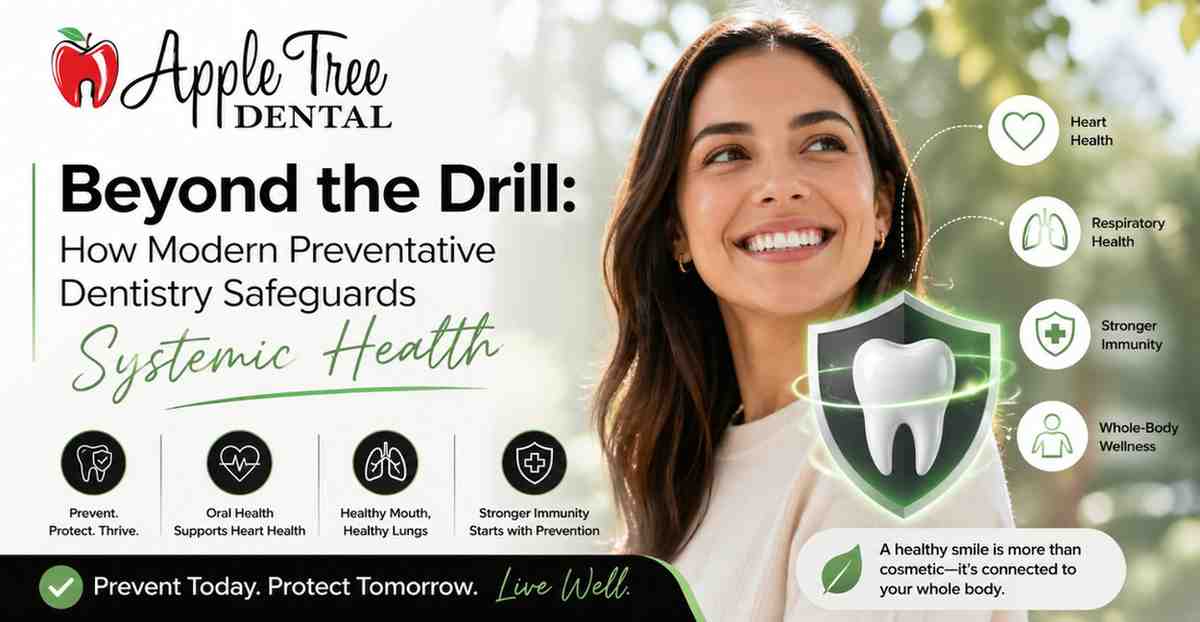
For generations, the general public has viewed oral healthcare through a highly localized, mechanical lens. The prevailing mindset was reactive: if a tooth aches, you fix it; if a cavity forms, you fill it. However, clinical research has permanently dismantled this isolated view of the oral cavity. Today, the medical and dental communities operate under a unified understanding that the mouth is not a separate entity from the rest of the body, but rather the primary gateway to your overall systemic health.
As we navigate the evolving landscape of healthcare in 2026, preventative dentistry has transformed from simple cavity prevention into a critical component of chronic disease management and holistic wellness. Understanding the biological mechanisms that link oral health to systemic conditions is the first step in taking control of your long-term vitality.
To comprehend the systemic link, one must first understand the oral microbiome. The human mouth is a complex, dynamic ecosystem hosting over 700 distinct species of bacteria, fungi, and viruses. In a healthy state, this microbiome exists in symbiosis. Beneficial bacteria help begin the digestive process, synthesize specific vitamins, and protect the soft tissues from environmental pathogens.
However, when this delicate balance is disrupted—often due to a high-sugar diet, poor hygiene, tobacco use, or chronic stress—a state of dysbiosis occurs. Pathogenic bacteria, particularly anaerobic strains like Porphyromonas gingivalis and Streptococcus mutans, begin to aggressively multiply. These pathogens aggregate to form a sticky, highly organized biofilm known as dental plaque. If not mechanically removed through rigorous hygiene and professional scaling, this biofilm calcifies into calculus, triggering a severe immune response from the body.
This localized immune response is the genesis of gingivitis and, ultimately, periodontitis (severe gum disease). But the damage does not remain localized.
The true danger of periodontal disease lies in its ability to breach the mucosal barrier. The prolonged inflammation in the gum tissue causes the blood vessels to become highly permeable. Every time a patient with severe periodontitis chews food or aggressively brushes their teeth, virulent bacteria and highly reactive inflammatory cytokines are pushed directly into the bloodstream.
Once in the bloodstream, these oral pathogens can travel directly to the heart and arterial walls. Extensive cardiological research has demonstrated a definitive correlation between severe periodontal disease and an increased risk of atherosclerosis (the hardening of the arteries).
The mechanism is twofold. First, the bacteria themselves have been found within the atherosclerotic plaques of patients who have suffered myocardial infarctions. Second, the chronic low-grade inflammation triggered by gum disease forces the liver to produce higher levels of C-reactive protein (CRP), a known biomarker for cardiovascular distress. This systemic inflammation damages the endothelial lining of the blood vessels, making cardiovascular events significantly more likely.
Perhaps the most documented systemic link is the bidirectional relationship between periodontal disease and diabetes mellitus. It is bidirectional because each condition exacerbates the other.
Patients with uncontrolled blood glucose levels experience compromised immune function and slower wound healing, making them highly susceptible to advanced gum disease. Conversely, severe periodontal inflammation impairs the body’s ability to utilize insulin effectively. When the immune system is constantly fighting a chronic infection in the gums, achieving glycemic control becomes incredibly difficult. Treating the periodontal infection has been clinically proven to lower HbA1c levels in diabetic patients, underscoring the necessity of integrated medical-dental care.
Because the stakes are so high, the standard of preventative care has dramatically shifted. Modern clinics are no longer relying solely on visual inspections and basic bitewing X-rays. The focus is now on early detection at the microscopic and molecular levels.
Advanced diagnostic tools such as Optical Coherence Tomography (OCT) allow practitioners to detect enamel demineralization long before a physical cavity forms. Furthermore, salivary diagnostic testing is becoming increasingly routine. By analyzing a simple saliva sample, clinicians can identify a patient’s specific pathogenic load, genetic predisposition to periodontal inflammation, and even markers for systemic conditions like oral mucosal lesions. This allows for highly personalized, preemptive intervention strategies rather than waiting for clinical symptoms to manifest.
Given the profound impact that oral health has on your entire body, selecting a dental provider requires the same level of scrutiny as choosing a cardiologist or an endocrinologist. The clinic you choose should actively demonstrate a commitment to comprehensive, holistic care.
When utilizing digital directories to locate a dentist london on provincial health platforms, patients should specifically inquire about the clinic’s diagnostic protocols. Do they perform comprehensive periodontal charting at every hygiene visit? Do they utilize intraoral cameras to educate you on the condition of your soft tissues? Are they taking a thorough medical history that accounts for cardiovascular health, endocrine function, and prescription medications? A modern dental practice will view you as a whole patient, not merely a collection of teeth, and will tailor their preventative strategies to protect your systemic baseline.
While professional intervention is critical, the success of any preventative strategy relies heavily on the patient’s daily habits. The routines prescribed by dental professionals have advanced far beyond the basic directive to “brush and floss.”
Targeted Remineralization: Traditional fluoride remains effective, but the integration of nano-hydroxyapatite (n-HA) toothpastes provides an alternative that mimics the natural mineral composition of enamel, effectively remineralizing microscopic defects and reducing dentinal hypersensitivity.
Managing Salivary pH: The oral cavity experiences an acidic drop every time we consume fermentable carbohydrates. Frequent snacking keeps the mouth in a constant acidic state, fueling pathogenic bacteria. Limiting grazing habits and utilizing xylitol-based mints or gums after meals can rapidly neutralize oral pH and stimulate protective salivary flow.
Precision Interdental Cleaning: String floss is essential, but for patients with specific anatomical challenges or existing periodontal pockets, the daily use of water irrigators or interdental brushes ensures that the complex biofilm is disrupted below the gumline where a toothbrush cannot reach.
The era of viewing dentistry as merely a cosmetic or localized mechanical service is over. The evidence linking the oral microbiome to cardiovascular stability, metabolic function, and overall immune health is undeniable. By adopting a proactive, science-driven approach to your oral care—and partnering with professionals who utilize advanced diagnostic technology—you are not just protecting your smile; you are making a critical investment in your long-term systemic wellness.

© 2025 Crivva - Hosted by Airy Hosting Managed Website Hosting.